
Teeth Whitening Strips: How They Work and Are They Safe?
There is a growing interest in natural teeth whitening strips, which use ingredients such as coconut oil, baking soda, and activated charcoal instead of peroxide. These are a gentler alternative if you have sensitive teeth or prefer a more holistic approach to oral care.
Among the many options available today, Snow teeth whitening strips have gained popularity for their enamel-safe formula and non-slip design. These strips are designed to stay in place better than traditional versions, so you can talk, move around, or go about your day without worrying about slippage.
What’s Teeth Whitening Strips?
Teeth whitening strips are thin, flexible strips coated with a whitening gel that contains either hydrogen peroxide or carbamide peroxide—ingredients known for their stain-lifting properties. When applied to your teeth, the gel breaks down stains caused by foods, drinks, smoking, or aging, leaving your teeth visibly whiter over time.
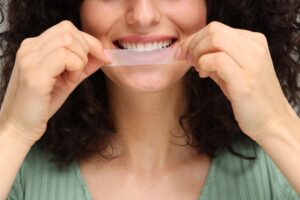
Using whitening strips is straightforward. You peel the strip from its backing, apply it across your teeth, and let it sit for the recommended period—usually between 5 and 30 minutes, depending on the brand. The active ingredients take effect during this time, and with consistent use, you’ll likely notice a change within a few days to a couple of weeks.
Benefits of Teeth Whitening Strips
When it comes to at-home teeth whitening, strips are one of the most convenient and cost-effective tools available. Here’s what makes them a smart choice:
1. Easy to Use
You don’t need to schedule a dentist appointment or use complicated trays and gels. Just peel, stick, and go. The user-friendly design of teeth whitening strips makes them a popular choice for individuals with busy lifestyles. Some strips even dissolve on their own, making them even easier to use without mess or cleanup.
2. Noticeable Results
Most users start to see results after just a few applications. Typically, full whitening results are visible within 1 to 2 weeks, depending on the product and the severity of the stains. Snow teeth whitening strips, for example, are formulated to deliver fast, professional-level results without causing tooth sensitivity.
3. Affordable Whitening Option
Compared to in-office dental treatments, whitening strips are much more budget-friendly. A single box can last for several weeks and cost significantly less than professional whitening, making it a great option for those looking to enhance their smile without breaking the bank.
4. Safe When Used as Directed
Over-the-counter teeth whitening strips are generally safe when used correctly. Look for products that have been tested by dental professionals or approved by recognized health organizations. Natural alternatives, such as natural teeth whitening strips, offer a chemical-free approach that reduces the risk of irritation and enamel damage.
5. Portable and Discreet
You can take them anywhere—on vacation, to work, or events. They’re small, lightweight, and easy to store in your bag. If you’re traveling or always on the go, whitening strips provide the flexibility to maintain your oral care routine from anywhere.
Do Teeth Whitening Strips Work?
Yes, teeth whitening strips do work—especially for surface stains caused by food, drinks, and smoking. The key ingredients (usually hydrogen peroxide or carbamide peroxide) penetrate the enamel to break down discoloration and lighten the appearance of your teeth.
You should start seeing results within a few days of consistent use. Products like Snow teeth whitening strips are designed to offer faster and more noticeable results, sometimes in as little as three applications.
That said, whitening strips may not be as effective for deep intrinsic stains or discoloration caused by certain medications. For those cases, professional dental treatments might be necessary.
Are Teeth Whitening Strips Safe?
When used as directed, teeth whitening strips are generally safe for most people. Reputable brands test their products for safety and effectiveness, and dental associations approve many.
If you prefer a peroxide-free formula, natural teeth whitening strips made with ingredients like activated charcoal or coconut oil can offer a gentler, more natural alternative with fewer side effects.
However, if you have existing dental work (like crowns or veneers), or if you have gum disease or highly sensitive teeth, consult your dentist before using any whitening product.
Can Whitening Strips Damage Teeth?
In rare cases, overuse or improper application of teeth whitening strips can cause damage. Prolonged use beyond the recommended timeframe can lead to:
- Enamel erosion
- Increased tooth sensitivity
- Gum irritation
To avoid these risks, follow the product instructions carefully and don’t exceed the usage guidelines. If you’re concerned about safety, opt for natural teeth whitening strips, which are formulated to be gentler on enamel and gums. It’s also important to give your teeth a break between whitening cycles and use fluoride toothpaste to help strengthen enamel.
How Often Should You Use Teeth Whitening Strips?
The frequency of use for teeth whitening strips depends on the specific product, your sensitivity, and the degree of tooth staining.
Most whitening strip kits are designed for daily use over a short period—usually 7 to 14 days. During this time, you’ll apply the strips once a day for approximately 10 to 30 minutes per session, as instructed by the product.
If you’re using natural teeth whitening strips, they may be milder and safer for more frequent or long-term use. However, it’s best to follow the manufacturer’s guidance to avoid enamel wear or gum irritation.
Regardless of the type you use, always follow the usage instructions provided with the product. Overusing whitening strips won’t give you faster results—it could just increase the risk of tooth sensitivity or enamel damage.
How to Use Teeth Whitening Strips
Using teeth whitening strips correctly is crucial for achieving the best results while minimizing side effects, such as tooth sensitivity or uneven whitening. Whether you’re using traditional options or the best teeth whitening strips on the market, following a proper routine ensures your smile looks brighter and stays healthy.
Here’s a step-by-step guide to using whitening strips effectively:
- Start with clean, dry teeth. Excess moisture can affect the adhesion of the strips.
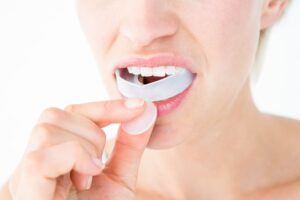
- Apply the strips. Peel them from the backing and press them firmly against your teeth, aligning them with your gum line.
- Follow the timing instructions. Most strips remain in place for 10 to 30 minutes. Don’t exceed the recommended time.
- Remove and dispose. Peel them off and discard them—no rinsing is needed unless instructed.
- Avoid eating or drinking for 30 minutes after use to let the whitening agents continue working.
Should I Brush My Teeth Before Using Whitening Strips?
Yes, brushing your teeth before applying whitening strips is generally recommended—but timing matters. Brush gently to remove food particles and plaque, but avoid using a whitening toothpaste or scrubbing hard immediately before applying the strips. This could increase sensitivity or irritate your gums.
If you’re using the best whitening strips for sensitive teeth, such as those designed for minimal irritation, brushing beforehand shouldn’t be a problem—just wait about 30 minutes after brushing before applying the strips. This gives your enamel time to recover from any slight abrasion.
Should I Brush My Teeth After Using Whitening Strips?
Brushing after using teeth whitening strips is okay, but be gentle. Your teeth may be slightly more sensitive after a whitening session. Use a soft-bristled brush and a non-abrasive toothpaste—preferably one made for sensitive teeth.
If you’re using whitening strips for sensitive teeth, be cautious not to brush too hard. Overbrushing can contribute to enamel wear, which not only increases sensitivity but may also reduce the effectiveness of future whitening treatments.
You may also notice white spots on teeth after whitening strips—this is usually temporary and caused by dehydration of the enamel. The spots typically fade within a few hours. To help avoid them, avoid overusing the strips and stay hydrated before and after your treatment.
What Are the Best Teeth Whitening Strips?
Choosing the best teeth whitening strips depends on your specific needs—whether you’re looking for fast results, a gentler formula, or something safe for sensitive teeth.
Here’s what to look for in top-rated products:
- Effective Whitening Agents: Look for hydrogen peroxide or carbamide peroxide for noticeable results.
- Enamel-Safe Formulas: Ensure the product has been tested and approved for safe use on tooth enamel.
- Comfortable Fit: A strip that adheres well and doesn’t slide off ensures better contact and less mess.
- Options for Sensitivity: If your teeth are prone to discomfort, go for the best whitening strips for sensitive teeth—these use lower peroxide concentrations or alternative whitening agents to reduce irritation.
Why Do Whitening Strips Hurt My Teeth?
If whitening strips hurt your teeth, you’re not alone. Many people experience sensitivity during or after whitening treatments. This happens when the peroxide in the strips temporarily exposes microscopic pores in your enamel, reaching the dentin layer underneath—where your tooth’s nerves are located.
This sensation is usually temporary and typically fades once treatment is completed. But suppose you’re experiencing sharp pain or prolonged discomfort. In that case, you may need to switch to whitening strips for sensitive teeth, which are specially designed with lower peroxide levels or desensitizing agents.
Here’s how to reduce discomfort:
- Use strips less frequently (every other day)
- Apply fluoride toothpaste before or after whitening
- Avoid extremely hot or cold foods right after treatment
- Choose the best whitening strips for sensitive teeth to minimize pain
If pain persists, discontinue use and consult your dentist.
Can You Use Teeth Whitening Strips While Pregnant?
There’s limited research on the safety of teeth whitening strips during pregnancy. Most healthcare professionals recommend avoiding them, especially during the first trimester, as a precaution.
The active ingredients in many whitening strips—especially peroxide—aren’t considered toxic in small amounts, but they haven’t been extensively tested in pregnant women. Because of this, the safest route is to hold off on whitening treatments until after pregnancy.
If you’re still looking to brighten your smile during this time, natural teeth whitening strips may offer a milder, chemical-free alternative—but you should consult your healthcare provider before using any product, natural or not.
Whether you’re managing sensitivity, expecting a child, or simply want a brighter smile quickly, the key is to choose the right product for your specific situation. The best teeth whitening strips aren’t one-size-fits-all—they’re the ones that work for your teeth, your lifestyle, and your comfort level.
Want faster, longer-lasting results? Learn how professional teeth whitening compares to strips—and find out if it’s the right choice for your smile.