
Can You Have Dental Work After Lip Filler? Timing and Safety Tips
Lip fillers have become a go-to cosmetic treatment for achieving fuller, more defined lips. At the same time, maintaining excellent oral health through regular dental visits is non-negotiable. This raises a crucial question for many: How do you safely manage dental work after lip filler?
Lip fillers have become one of the most popular cosmetic treatments worldwide, with millions of procedures performed every year. According to the American Society of Plastic Surgeons, dermal fillers—including those for lips—rank among the top five minimally invasive cosmetic procedures, with demand steadily rising by nearly 3% year-over-year. Many people choose fillers for their ability to enhance natural beauty, boost confidence, and create a youthful appearance.
However, what often goes overlooked is how lip fillers can affect your dental care routine. Because fillers temporarily alter the structure and sensitivity of your lips, they may influence how comfortable or safe it is to see your dentist immediately afterward. Understanding this connection is essential if you want to protect both your cosmetic results and your oral health.
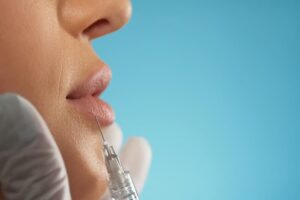
What to Avoid After Lip Fillers
Once you’ve had lip fillers, the aftercare you follow can make all the difference in your results. The first 24–48 hours are especially critical, as this is when swelling, bruising, and tenderness are most common. During this time, you should avoid activities that may disrupt the filler or increase your risk of complications.
Here are some key things you should steer clear of:
- Dental Work: Dental procedures involve stretching, pressure, and manipulation around your lips, which can interfere with the filler’s placement.
- Excessive Touching or Massaging: Pressing on your lips can cause filler to shift, leading to uneven results.
- Strenuous Exercise: Intense activity increases blood flow, which may worsen swelling or bruising.
- Alcohol and Blood Thinners: These can increase the likelihood of bruising and slow healing.
- Hot Environments: Avoid saunas, hot tubs, or direct sun exposure, as heat can exacerbate swelling and discomfort.
By respecting these guidelines, you give your lips the best chance to heal smoothly and maintain their desired shape.
How Long Should You Wait to See a Dentist After Lip Filler?
You may be wondering: when is it safe to sit in your dentist’s chair after having your lips enhanced? While every person heals at a slightly different pace, most professionals recommend waiting at least 1 to 2 weeks before undergoing any dental procedures.
Here’s why timing matters:
- Healing Period: Fillers need time to “settle” into the tissue. Dental procedures, which often involve wide mouth movements or dental instruments pressing on the lips, could cause filler to migrate if performed too soon.
- Risk of Infection: Even routine dental cleanings involve bacterial exposure. Giving your lips time to recover helps reduce the risk of infection around injection sites.
- Comfort: Swelling and tenderness can make dental work unnecessarily painful if scheduled too early.
If you have an urgent dental issue, speak with both your dentist and your injector. They can coordinate your care and recommend the safest timing.

Tips for Proper Aftercare Following Lip Filler and Dental Visits
The healing process begins as soon as your filler is injected, and how you care for your lips can directly influence your results. Here are some aftercare tips to help you recover comfortably and protect your investment:
- Use Cold Compresses: Apply ice packs intermittently for the first 24 hours to reduce swelling and discomfort.
- Stay Hydrated: Drink plenty of water to support tissue healing and maintain lip hydration.
- Avoid Strenuous Activity: Intense exercise increases circulation and can worsen swelling or bruising within the first 48 hours.
- Skip Alcohol and Blood Thinners: These substances can increase bruising and slow recovery.
- Sleep Elevated: Propping your head up with pillows can help reduce swelling overnight.
- Keep Hands Off: Avoid massaging or pressing on your lips unless directed by your injector.
By following these steps, you create the best environment for your lips to settle naturally and achieve the smooth, even results you’re aiming for.
Why You Shouldn’t Have Dental Work Before Fillers
You may wonder if dental appointments before fillers are a concern. The short answer is yes—timing matters both before and after treatment. Here’s why you should avoid scheduling dental work immediately before getting fillers:
- Inflammation and Irritation: Dental procedures can leave the tissues around your mouth irritated or swollen. Adding fillers on top of that increases discomfort and complicates healing.
- Bacteria Exposure: Even routine dental cleanings can release bacteria into the bloodstream. This increases the risk of infection if you get fillers too soon afterward.
- Mouth Manipulation: The stretching and pressure during dental treatments can alter how the filler settles if performed closely together.
Most experts recommend allowing at least 1 to 2 weeks between dental treatments and filler injections to minimize risks and ensure optimal results.
Can Lip Fillers Affect Your Teeth?
Lip fillers are designed to add volume and shape to your lips, not to alter your teeth directly. That said, there are a few ways fillers might indirectly affect your oral comfort:
- Pressure Sensation: If fillers are placed close to the gums, you may temporarily feel additional fullness when speaking, chewing, or smiling.
- Altered Lip Movement: For a short period, fillers can change how your lips move, which might feel unusual when eating or brushing.
- Dental Procedure Interference: During dental work, filler-enhanced lips may feel more sensitive or prone to pressure from instruments.
Fillers do not damage your teeth, enamel, or bite. Any sensations you experience are temporary and usually subside as swelling decreases and your lips adjust.
Can You Brush Your Teeth After a Lip Filler?
Yes, you can and should brush your teeth after getting lip fillers. Good oral hygiene is crucial for preventing infections, especially since the injection sites are still healing. However, you’ll want to take extra care in the first 24–48 hours.
Here are some tips for brushing safely:
- Use a Soft-Bristled Toothbrush: This reduces pressure and irritation around your lips.
- Brush Slowly and Gently: Avoid vigorous movements that stretch your lips.
- Rinse with Lukewarm Water: Very hot or cold water may increase sensitivity.
- Be Cautious with Mouthwash: Choose an alcohol-free option to prevent irritation.
If you feel significant swelling or tenderness, you may find it easier to brush in shorter, careful strokes until your lips heal fully.

Understanding the Risks: Dental Work After Lip Filler
Immediately after your lip filler appointment, your lips enter a delicate healing phase. They are often swollen, tender, and potentially bruised. The hyaluronic acid-based filler is also malleable as it settles and integrates with your lip tissue. Introducing a dental procedure during this critical window can lead to several issues.
Filler Migration and Distortion
One of the most significant concerns is the potential for the filler to move or be displaced. A dental treatment after lip filler often requires your mouth to be stretched and held open for extended periods. This lip filler pressure dental treatment from tools, fingers, or even a bite block can push the freshly injected filler out of its intended position, leading to asymmetry, lumps, or an unsatisfactory final result.
Increased Swelling and Infection
Your lips are already sensitive and inflamed post-injection. The manipulation involved in a dental appointment can worsen this, prolonging your recovery. A major concern with a lip filler swelling and a dentist appointment scheduled too closely is the risk of infection.
The small injection sites in your lips are still healing, and introducing bacteria from the oral cavity during a dental procedure could lead to serious lip filler complications dental work. This is why managing lip filler bruising and dental visit requires careful timing.
Achieving your aesthetic goals with lip fillers doesn’t mean you have to sacrifice your dental health. The key is a combination of patience, planning, and clear communication. By waiting the recommended two to four weeks after your injections, you allow the filler to settle and your lips to heal, dramatically reducing the risk of complications.
Always discuss your plans with both your aesthetic and dental providers to create a timeline that is safe and effective for you. With the right approach, you can enjoy the benefits of both a dazzling, healthy smile and perfectly enhanced lips.
Ready to perfect your smile safely? If you have questions about cosmetic dentistry or need to schedule a checkup, our experienced team is here to help. Contact us today to book a consultation and discuss your oral health goals!