

Have you ever looked in the mirror and felt that your gums were overshadowing your teeth, creating what many call a “gummy smile”? Or perhaps you’ve been dealing with persistent gum issues and are looking for a definitive solution. In the world of modern dentistry, there are advanced procedures designed to address these very concerns, and one of the most effective is the gingivectomy.
This procedure, while it may sound complex, is a common and straightforward treatment that can dramatically improve both the health and aesthetics of your smile. Whether you’re seeking a cosmetic enhancement or a solution for periodontal problems, understanding what a gingivectomy entails is the first step toward achieving your dental goals. In this guide, we’ll break down everything you need to know about this transformative procedure.
Understanding the Gingivectomy Procedure
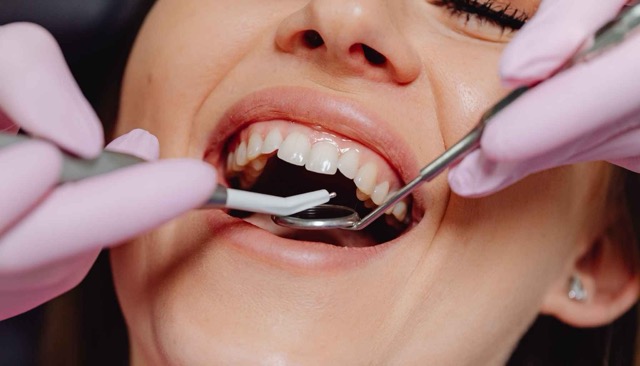
A beautiful smile is a harmonious balance between your teeth, lips, and gums. When gum tissue is excessive or unhealthy, it can disrupt this balance. A gingivectomy is a targeted surgical procedure designed to correct these issues by removing excess or diseased gum tissue, also known as the gingiva.
What Exactly is a Gingivectomy?
At its core, a gingivectomy is the surgical excision of gum tissue. It was originally developed to treat periodontal disease by removing the deep pockets that form between the teeth and gums, which can harbor harmful bacteria. By removing this tissue, dentists can eliminate the source of infection and make it easier for patients to maintain proper oral hygiene.
Today, the applications have expanded. The procedure is now widely used for cosmetic purposes, a practice often referred to as gum contouring or a gum lift. This helps create a more symmetrical and aesthetically pleasing gum line, revealing more of the natural tooth structure and balancing the overall appearance of your smile.
Why Would Someone Need a Gingivectomy?
A dentist or periodontist (a gum specialist) might recommend a gingivectomy for several key reasons, ranging from medical necessity to cosmetic preference.
- Treating Gum Disease: For patients with gingivitis or periodontitis, a gingivectomy can be a crucial step in their treatment plan. It removes diseased tissue and reduces the depth of periodontal pockets, halting the progression of the disease and promoting healthier gums.
- Correcting a “Gummy Smile”: If you have excessive gingival display, meaning too much gum tissue shows when you smile, a gingivectomy can reshape the gum line. This exposes more of your teeth, making them appear longer and more proportionate.
- Improving Access for Restorations: Sometimes, a cavity or tooth fracture extends below the gum line. A gingivectomy can be performed to remove a small amount of gum tissue, providing the dentist with better access to place a filling or a crown effectively.
- Preparing for Other Dental Procedures: In some cases, reshaping the gums is a necessary preparatory step for other advanced treatments, such as the placement of crowns for dental implants.
From Consultation to Recovery: The Gingivectomy Journey
The idea of any dental surgery can be intimidating, but a gingivectomy is a well-established procedure with a predictable process and recovery. Knowing what to expect can help ease any anxiety and prepare you for a smooth experience.

The Initial Consultation
Your journey begins with a thorough consultation. A dental professional will examine your teeth and gums, take X-rays, and discuss your health history and aesthetic goals. This is the stage where they determine if a gingivectomy is the most suitable treatment for you. They will explain the benefits, potential risks, and what you can expect from the results. This is a great time to ask any questions you have about the procedure and the field of dentistry in general.
The Procedure Itself
A gingivectomy is typically performed in a single visit as an outpatient procedure. Here’s a general overview of the steps:
- Anesthesia: The area is completely numbed using a local anesthetic, ensuring you won’t feel any pain during the procedure.
- Tissue Removal: The dentist or periodontist will carefully mark the excess gum tissue to be removed. Using a specialized instrument—which could be a traditional scalpel, a laser, or an electrosurgery tool—they will precisely trim and reshape the gum line. Laser technology is often preferred as it minimizes bleeding and can lead to a quicker recovery.
- Dressing: After the procedure, a putty-like dressing may be placed over the treated area to protect the gums as they heal.
The entire process is relatively quick, often taking between 30 to 60 minutes, depending on the extent of the treatment.
Post-Procedure Care and Recovery
Healing after a gingivectomy is usually straightforward. Your gums will likely be tender and slightly swollen for a few days. Your dentist will provide specific aftercare instructions, which typically include:
- Diet: Sticking to soft, cool foods for the first few days to avoid irritating the healing gums. Think smoothies, yogurt, and soup.
- Oral Hygiene: You’ll need to be gentle when cleaning your teeth. Your dentist may recommend a special antibacterial mouthwash to keep the area clean and prevent infection.
- Pain Management: Over-the-counter pain relievers are usually sufficient to manage any discomfort.
- Activity: It’s best to avoid strenuous activity for a day or two to minimize bleeding and swelling.
The initial healing phase takes about a week, but it can take a few weeks for the gums to fully heal and settle into their new shape.
How a Gingivectomy Complements Modern Dentistry
A gingivectomy is not just a standalone procedure; it often plays a vital supporting role in comprehensive smile makeovers and complex restorative cases. Its ability to refine the foundation of your smile—the gums—makes it an invaluable tool in modern dentistry.
The Role of Gingivectomy in Preparing for Dental Implants
Achieving a natural and functional result with dental implants requires meticulous planning, and gum health is a critical component. A gingivectomy can be essential in the dental implants process in several ways. For instance, after an implant has integrated with the jawbone, a minor gingivectomy may be needed to uncover the top of the implant so that the final crown can be attached.
Furthermore, for the final restoration to look completely natural, the gum line around the implant-supported crown must be perfectly contoured to match the adjacent teeth. A skilled dentist can use a gingivectomy to sculpt the gum tissue, creating a seamless and aesthetically pleasing transition between the implant crown and the natural gum line.
Global Dentistry: Why Patients Consider Dental Turkey
In recent years, the landscape of healthcare has gone global. Patients are increasingly looking beyond their local borders for high-quality, affordable care, and one destination that has emerged as a leader in this field is dental Turkey.
Clinics in major Turkish cities like Istanbul and Antalya have become renowned for offering a wide range of advanced dental procedures, from a cosmetic gingivectomy to full-mouth reconstructions with dental implants. There are several reasons why dental Turkey has become a popular choice:
- Expertise and Technology: Many Turkish clinics are equipped with state-of-the-art technology and staffed by highly trained, internationally accredited dentists who are experts in all fields of dentistry.
- Cost-Effectiveness: The cost of dental treatments in Turkey can be significantly lower than in many Western countries, without compromising on the quality of materials or care.
- Comprehensive Packages: Many clinics cater to international patients by offering all-inclusive packages that cover treatment, accommodation, and airport transfers, making the entire experience seamless and stress-free.
Of course, if you are considering treatment abroad, it is crucial to do thorough research. Look for clinics with a strong track record, verifiable patient testimonials, and clear communication about their treatment plans and pricing.

A Healthier, More Confident Smile Awaits
A gingivectomy is a versatile and effective procedure that can address both health-related gum issues and cosmetic concerns. By removing excess or diseased tissue, it can halt the progression of periodontal disease, improve your oral hygiene, and create a more balanced, beautiful smile. Whether used on its own or as part of a larger treatment plan involving dental implants, it is a cornerstone of modern restorative and cosmetic dentistry.
Ready to transform your smile or improve your gum health? The first step is a conversation.
Contact DentaVivo today to schedule a consultation. We can assess your unique needs and help you discover the personalized treatment options that will lead you to a healthier, more confident smile.