
How to Remove Stains from Teeth: A Complete Guide for a Brighter Smile
Your smile is often the first thing people notice—and unfortunately, stained teeth can overshadow even the most confident expression. According to the American Dental Association, over 80% of adults notice a person’s smile first, while one in four people avoid smiling due to tooth discoloration. If you’ve ever felt self-conscious about yellow or darkened teeth, you’re not alone. The good news is that understanding the causes of stains and choosing the right stained teeth treatment can restore your smile’s natural brightness.
In this guide, you’ll learn everything you need to know about tooth discoloration, its types, causes, and the most effective teeth whitening methods—so you can make informed decisions for your oral health.
What Is Tooth Discoloration?
Tooth discoloration refers to any change in the natural white color of your teeth. While minor changes in shade are common as you age, noticeable discoloration—such as yellowing, browning, or grayish tones—can be caused by a variety of external and internal factors. Whether your teeth are stained on the surface or from within, this discoloration can affect your confidence and indicate a need for improved dental care or targeted treatments.
Types of Tooth Stain
To effectively choose a stained teeth treatment, it’s essential to understand the nature of the discoloration. There are two main types:
Extrinsic Discoloration
Extrinsic stains occur on the surface of the enamel—the outermost layer of your teeth. These are typically caused by lifestyle habits such as drinking coffee, smoking, or consuming colored foods and beverages. Because these stains remain on the enamel, they’re usually easier to treat with enamel stain removal products, such as whitening toothpaste or professional cleaning.
Common extrinsic discoloration symptoms include:
- Yellow or brown patches on the teeth
- Surface roughness or dullness
- Localized staining (e.g., only front teeth)
Intrinsic Discoloration
Intrinsic stains originate from within the tooth, often caused by trauma, medications, or excessive fluoride exposure during tooth development. Unlike surface stains, these are harder to treat because the discoloration lies beneath the enamel. Treating intrinsic discoloration may require more advanced professional teeth whitening procedures or cosmetic solutions like veneers.
Understanding the difference between extrinsic vs intrinsic stains is crucial when choosing the right whitening approach.
The Causes of Stains on Teeth
There are multiple causes of yellow teeth and other forms of discoloration. Some are linked to daily habits, while others are due to internal or medical factors.
Teeth Stains from Coffee
Coffee is one of the most common culprits behind extrinsic discoloration. Its dark pigments and acidity wear away at enamel and stick to the tooth surface. Over time, regular coffee consumption leads to yellow or brown stains that brushing alone can’t remove.
To manage this:
- Rinse your mouth with water after drinking coffee
- Use a best whitening toothpaste for smokers and coffee drinkers
- Consider professional teeth whitening if stains are persistent
Teeth Stains from Smoking
Tobacco—whether smoked or chewed—introduces tar and nicotine to the teeth, both of which lead to significant staining. Smokers often experience darker stains that require more intensive stained teeth treatment, including:
- Deep cleaning by a dental hygienist
- Targeted whitening treatments
- Switching to enamel stain removal products
Dark-Colored Foods and Beverages
Foods like red wine, berries, soy sauce, and tomato-based sauces contain chromogens (pigmented compounds) that cling to enamel. Frequent exposure can lead to staining similar to that caused by coffee or tea.
Tip: Use a straw when drinking dark beverages and rinse your mouth after meals to minimize residue buildup.
Poor Oral Hygiene
Infrequent brushing or flossing allows plaque and tartar to accumulate. These not only harbor bacteria but also trap pigments from food and drink, leading to visible stains. Regular dental checkups and proper oral hygiene are your first defense against discoloration of teeth.
Aging
As you age, enamel naturally thins and reveals more of the yellowish dentin beneath. This makes your teeth appear darker or duller even with good hygiene. Age-related tooth discoloration often involves a combination of extrinsic and intrinsic factors.
Aging-related stains respond best to:
- Professional whitening procedures
- Enamel-safe over-the-counter products
- Ongoing preventive care
Excessive Fluoride
High levels of fluoride—whether from drinking water or overuse of fluoride products during childhood—can cause a condition known as fluorosis. This leads to white or brown streaks on the teeth, and in some cases, deep intrinsic staining.
Treatment options include:
- Microabrasion
- Bonding or veneers
- Advanced whitening protocols
Genetics
Some people are genetically predisposed to having darker or yellower enamel. Genetics can also influence enamel thickness and mineral composition, both of which affect how your teeth respond to staining. While you can’t change your genes, you can choose effective teeth whitening methods based on your unique smile.
Dental Trauma
Injuries to the teeth can cause internal bleeding or pulp damage, resulting in gray or brown intrinsic discoloration. These stains are difficult to treat and may require:
- Internal bleaching
- Root canal therapy
- Cosmetic restorations like crowns or veneers
Certain Medications
Medications like tetracycline antibiotics, when taken during tooth development, can result in deep intrinsic stains. Other medications, including antihistamines and blood pressure drugs, may cause enamel dullness or dryness that exacerbates staining.
Cancer Treatments
Radiation and chemotherapy, especially those targeting the head and neck, can alter enamel structure and saliva production—leading to increased staining and erosion. If you’re undergoing treatment, ask your oncologist about dental care options to protect your oral health.

Different Color Meanings
The color of your tooth discoloration can tell a lot about its cause—and what kind of stained teeth treatment may be most effective. Here’s what the different shades often signify:
Yellow
Yellow teeth are usually a result of extrinsic discoloration, often caused by food, drinks, smoking, or aging. Thinning enamel can also make the natural yellowish dentin more visible. This is the most common form of discoloration of teeth and typically responds well to teeth whitening methods.
Brown
Brown stains tend to be more severe and may indicate long-term tobacco use, chronic coffee or tea consumption, or poor oral hygiene. In some cases, brown patches may suggest enamel erosion or plaque buildup and may require professional teeth whitening or more advanced treatments.
Purple
Purple-tinted stains are uncommon but can result from dark red wine or certain berries. While these are usually extrinsic stains, they can become embedded in enamel if not treated promptly. These may be reduced with consistent enamel stain removal techniques or dentist-recommended products.
Gray
Gray teeth may indicate intrinsic discoloration from trauma, medications like tetracycline, or aging. This color is harder to remove with surface whitening and may require treatments like porcelain veneers or dental crowns.
White
White spots often suggest fluorosis or early enamel demineralization, which can occur due to high fluoride exposure or early signs of cavities. While not technically “stains,” these patches still fall under discoloration of teeth and may be treated with microabrasion or dental bonding.
Black
Black stains may signal serious dental issues such as tooth decay, tartar buildup, or even old metal fillings leaching into the tooth structure. These cases require immediate attention and may necessitate crowns, fillings, or even extractions, depending on severity.
Care and Treatment: What You Can Do at Home
Preventing and managing discoloration of teeth starts with daily care—and yes, there are several effective teeth whitening methods you can try at home. While professional treatments are essential for deep or stubborn stains, simple at-home practices can significantly improve the appearance of mild extrinsic discoloration and help prevent future staining.
Here’s how you can support a brighter smile from your own bathroom cabinet:
Practice Strong Oral Hygiene
The foundation of any stained teeth treatment is proper brushing and flossing. Use a fluoride-based toothpaste (or one formulated for enamel stain removal) and brush at least twice a day. Flossing helps prevent buildup between teeth that leads to darker shadows or stains.
Baking Soda
Used in moderation, baking soda is a gentle abrasive that can polish away surface stains without harming enamel. Make a paste with water and brush with it once or twice a week to lift light discoloration and neutralize acids.
Citric Acid (Lemon or Orange Peel)
Natural sources of citric acid like lemon juice or orange peel may offer temporary brightening benefits. But remember: acids weaken enamel over time, so rinse thoroughly and use this method sparingly.
Activated Charcoal
Charcoal binds with stain-causing particles on your teeth and may help whiten them. Choose a high-quality activated charcoal toothpaste or mix a small amount of food-grade charcoal powder with water. Limit usage to avoid enamel wear.
Always consult with your dentist before trying DIY stain removal methods—some natural ingredients may do more harm than good if misused.
Choose the Right Toothpaste
For coffee or tobacco users, selecting the best whitening toothpaste for smokers can help maintain brightness between cleanings. Look for ingredients like baking soda, peroxide, or charcoal, but always ensure the product is enamel-safe.
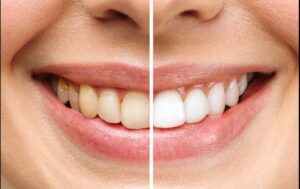
Tip: Limit stain-causing foods and drinks (coffee, tea, red wine), avoid smoking, and rinse your mouth with water after consuming anything pigmented to reduce long-term buildup.
How To Remove Stains From Teeth: How Do Dentists Treat Discolored Teeth?
Dentists use several procedures tailored to the type and depth of the stain. Depending on whether you’re dealing with extrinsic vs intrinsic stains, your dentist may suggest one or more of the following:
Teeth Whitening
This is the most common approach for extrinsic discoloration. In-office whitening treatments use safe but strong bleaching agents like hydrogen peroxide to break down stains and reveal a brighter smile. These methods are faster and more effective than at-home kits, especially for stubborn discoloration.
Dental Bonding
For minor to moderate intrinsic stains, dental bonding offers a cost-effective solution. A tooth-colored resin is applied and shaped over the discolored area, instantly improving the tooth’s appearance.
Porcelain Veneers
When discoloration is deep or widespread, porcelain veneers can provide a complete transformation. Veneers are thin ceramic shells that cover the front of your teeth, offering a permanent solution to deeply stained or damaged enamel.
Dental Crowns
Severely discolored or weakened teeth may benefit from dental crowns, which encase the entire tooth. This not only improves appearance but also restores function and strength—ideal for teeth affected by trauma, decay, or intrinsic staining.
Can I Prevent Teeth Stains?
Yes—you can take several proactive steps to prevent teeth stains and maintain a bright, healthy smile for years to come. While some causes, such as genetics or aging, are unavoidable, most extrinsic stains can be minimized or avoided with consistent habits.
Here’s how to protect your teeth from future discoloration:
- Brush and floss regularly – Brush twice daily and floss at least once a day to remove plaque and prevent enamel stains. Use fluoride toothpaste designed for stained teeth treatment.
- Limit staining foods and drinks – Reduce intake of coffee, tea, red wine, and berries. When consuming them, rinse your mouth or brush shortly afterward.
- Quit smoking – Tobacco use is a major contributor to tooth discoloration. Stopping will protect not just your teeth, but your overall health.
- Schedule regular cleanings – Professional dental cleanings remove plaque and tartar buildup that brushing alone can’t reach.
- Drink plenty of water – Water neutralizes acids and washes away stain-causing residues after meals and beverages.
- Use a straw – When drinking dark liquids, a straw can minimize contact between the beverage and your teeth.
- Switch to preventive products – Consider products that help protect enamel and reduce stains.
Tooth discoloration is more than a cosmetic concern—it affects your self-confidence, daily interactions, and overall oral health. Whether your teeth are stained from coffee, smoking, aging, or deeper causes like trauma or medication, there’s always a solution that can bring back your smile’s natural brightness.
At Denta Vivo Dental Clinic, we specialize in diagnosing the exact cause of tooth discoloration and delivering personalized treatments that get to the root of the issue. From advanced professional teeth whitening to porcelain veneers, dental bonding, and preventive care, our expert team offers comprehensive solutions tailored to your individual needs.
With state-of-the-art technology and a patient-centered approach, Denta Vivo is here to help you achieve the confident, radiant smile you deserve.
Ready to take the first step?
Book your consultation with Denta Vivo Dental Clinic today and let our specialists guide you through the best teeth whitening treatment options.
Contact us now to schedule your appointment—because your smile deserves expert care, every single day.
Planning a dental holiday in Istanbul? Combine world-class dental care with the charm of one of the most beautiful cities in the world—only at Denta Vivo.