
Contents
Does Coffee Stain Your Teeth More Than Tea?
Coffee is a daily ritual for millions of people. It wakes you up, sharpens your focus, and gives you a comforting routine. But if you’ve noticed your smile looking a little less bright, you might be wondering if your morning cup is the cause.
Does Coffee Stain Your Teeth?
Yes, coffee can stain your teeth. Over time, regular coffee consumption contributes to surface discoloration and yellowing of the enamel. These changes may not be immediately apparent, but they accumulate over time through daily habits.

If you’re a heavy coffee drinker or sip throughout the day, the chances of staining are even higher. The darker the brew, the more likely it is to leave behind residue that dulls your smile. Even if you brush regularly, that alone may not be enough to prevent stains from forming.
Why Do Tea and Coffee Stain Your Teeth?
Coffee and tea both contain a class of compounds called tannins. Tannins are a type of polyphenol that give these beverages their bitterness and astringency. Unfortunately, they also make it easier for pigments to stick to your teeth.
When you drink coffee or tea, the tannins bind to proteins in your saliva and enamel. These compounds attract chromogens—color-producing substances—that latch onto the porous surface of your teeth. The result is a yellow or brown tint that builds up over time.
Acidity also plays a role. Both coffee and tea are acidic, which can wear down enamel slightly, making it even easier for stains to set in. Once the enamel is compromised, your teeth become more vulnerable to discoloration from anything you eat or drink.
How Does Coffee Stain Your Teeth?
The staining process is gradual and mostly external. Here’s how it works:
- Porous Enamel: Your enamel might feel smooth, but under a microscope, it’s full of tiny pores. These pores trap particles from food and drinks, especially dark liquids like coffee.
- Chromogens: These are pigmented compounds found in coffee. They’re responsible for its dark color—and for the brownish tint they leave behind on your teeth.
- Tannins and Acid: Tannins boost the ability of chromogens to stick, and the acid in coffee weakens the enamel just enough to let these pigments sink in deeper.
- Frequency and Duration: The more often you sip coffee, and the longer it lingers in your mouth, the more exposure your enamel has to staining agents.
Even adding cream doesn’t eliminate the risk—it may lighten the color of the drink, but it doesn’t remove the tannins or acid content that contribute to staining.

Coffee or Tea: Which One Stains Your Teeth More?
While both drinks can stain, tea can stain your teeth more than coffee in certain cases. Here’s why:
- Tannin Content: Tea—especially black tea—contains more tannins than coffee. This means it has a stronger ability to bind pigments to your enamel.
- Type of Tea: Black tea tends to stain the most, while green and herbal teas are less aggressive but still capable of causing discoloration.
- Acidity Levels: Coffee is generally more acidic, which can weaken enamel, but the higher tannin content in tea may cause more pronounced staining even on healthy enamel.
So, if you drink both regularly, tea might be the bigger culprit when it comes to staining. However, coffee still plays a significant role, especially if consumed without proper oral hygiene afterward.
What You Can Do About It
If giving up coffee or tea isn’t an option (and for most people, it isn’t), here are steps you can take to protect your teeth:
- Rinse your mouth with water after drinking.
- Use a straw to minimize contact with your front teeth.
- Brush at least twice a day with a whitening toothpaste.
- See your dentist regularly for professional cleanings.
- Consider whitening treatments if staining has already occurred.

How Long Does It Take for Coffee to Stain Your Teeth?
Coffee doesn’t stain your teeth after just one or two cups—but it doesn’t take years either. In most cases, visible discoloration typically begins after a few weeks of consistent daily consumption, especially when proper dental hygiene is not maintained.
If you’re drinking coffee every day, particularly more than once a day, you might notice a gradual dulling or yellowing of your teeth within a month or two. For people with thinner enamel or poor brushing habits, staining can appear even sooner.
Staining is cumulative. That means the longer you drink coffee without taking preventive steps, the more pronounced the discoloration becomes.
How Quickly Does Coffee Stain Your Teeth?
Coffee begins the staining process almost immediately upon contact. Each time you sip, the acids and pigments interact with your enamel. That doesn’t mean you’ll see yellow teeth overnight, but the chemical process is fast.
If you leave coffee residue on your teeth—by sipping slowly over a long period or skipping brushing afterward—stains can set in faster. Drinking coffee throughout the day increases your exposure time and accelerates staining.
Think of it like this: the speed at which coffee stains depends on frequency, exposure time, and your oral hygiene habits. Even one cup a day can cause staining over time if you don’t rinse or brush after drinking it.
How Much Coffee Does It Take to Stain Your Teeth?
There’s no exact number of cups that will universally lead to staining, because every mouth is different. But here’s a general rule:
- 1–2 cups per day: Low risk if you practice good oral hygiene.
- 3–4 cups per day: Moderate risk, with staining likely over time.
- 5+ cups per day: High risk, especially if you sip throughout the day without rinsing or brushing.
Keep in mind that it’s not just about quantity—it’s about how you drink it. For example, sipping a single cup slowly over an hour exposes your teeth longer than drinking it in one sitting.
Also, darker roasts and unfiltered coffee (like French press or espresso) tend to leave behind more staining agents than lighter or diluted versions.
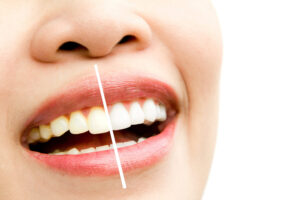
How Do You Stop Coffee from Staining Your Teeth?
You don’t have to give up coffee to protect your smile—you just need a smarter routine. Here are some practical ways to reduce or stop coffee stains:
- Rinse Your Mouth After Drinking: Swishing with water immediately after coffee helps wash away pigments and acids before they set into your enamel.
- Use a Straw: Drinking through a straw reduces direct contact between coffee and your front teeth, especially helpful for iced coffee lovers.
- Brush and Floss Regularly: Brush at least twice a day and floss daily. Use a toothpaste with mild whitening agents or baking soda to lift surface stains.
- Time Your Brushing Right: Don’t brush right after drinking coffee—wait at least 30 minutes. Coffee’s acidity temporarily softens enamel, and brushing too soon can cause erosion.
- Professional Cleanings: Visit your dentist every six months for thorough cleanings. A professional cleaning can remove stains that brushing alone won’t reach.
- Whitening Products or Treatments: Whitening strips, trays, or professional treatments can help reverse existing discoloration and keep your teeth looking brighter.
Does Drinking Water After Coffee Prevent Stains?
Yes—drinking water right after your coffee can help prevent stains. Water helps neutralize the acidity and wash away residual pigments and tannins before they attach to your enamel.
Even better: swish the water in your mouth before swallowing. This gives your teeth a quick rinse and reduces the coffee’s staying power. It’s a simple step that makes a noticeable difference over time—especially if you drink multiple cups a day.
Is There a Coffee That Doesn’t Stain Teeth?
While no coffee is completely free from staining potential, some types are less likely to discolor your teeth:
- Lighter Roasts: These tend to have less pigmentation and may be slightly less staining than dark roasts, though the difference is minor.
- Cold Brew: Cold brew is lower in acidity, which means it’s less erosive on enamel and slightly less likely to lead to stains compared to hot brewed coffee.
- Low-Acid Coffee: These are specially formulated for sensitive stomachs but can also be gentler on teeth. Less acid = less enamel wear = less potential for staining.
- Coffee with Milk or Cream: Adding milk may dilute the pigment concentration and reduce staining intensity. However, this doesn’t eliminate the problem—it just lessens it.
Can a Dentist Tell If You Drink Coffee?
Yes, most dentists can tell if you’re a regular coffee drinker just by looking at your teeth. Common signs include:
- Surface Staining: Yellow or brown discoloration, especially near the gum line and between teeth.
- Enamel Erosion: Slight enamel thinning from coffee’s acidity, making teeth look duller or more translucent.
- Tannic Stains: A distinct type of discoloration associated with beverages like coffee, tea, and red wine.
If your dentist notices these signs, they might ask about your habits and offer tips or treatments to help reverse or manage staining. The good news? Most coffee stains are extrinsic, meaning they affect only the outer enamel and can be professionally removed.
Does Decaf Coffee Stain Your Teeth?
Yes, decaf coffee can still stain your teeth. The amount of caffeine doesn’t affect staining — it’s the tannins, pigments (chromogens), and acidity that matter. Decaffeinated coffee still contains these stain-causing compounds, even though it’s been processed to remove caffeine.
That means if you’re switching to decaf thinking it will protect your smile, it won’t make a significant difference in terms of tooth discoloration. If you drink decaf regularly, the same precautions for regular coffee apply: rinse with water after drinking, brush consistently, and consider using a straw.
Does Drinking Coffee Through a Straw Stain Your Teeth?
Drinking coffee through a straw can help reduce staining, but it’s not a complete solution. Here’s how it helps:
- Less Contact with Front Teeth
When you use a straw, especially one positioned toward the back of your mouth, the coffee bypasses most of your front teeth, where stains are most visible.
Lower Surface Exposure
- You reduce how long coffee lingers on your enamel, limiting its ability to bind with surface proteins and cause discoloration.
That said, using a straw won’t eliminate staining, especially if you sip slowly over time or fail to follow up with proper dental care. It’s best used as one part of a broader stain-prevention strategy, not your only defense.
For hot coffee, make sure you’re using a straw that’s heat-safe (like silicone or stainless steel) to avoid burns.
Does Cold Coffee Stain Your Teeth?
Yes, cold coffee can still stain your teeth. Whether it’s iced coffee, cold brew, or a chilled latte, the temperature doesn’t change the fact that coffee contains tannins, chromogens, and acids—all of which contribute to staining.
That said, cold brew coffee may be slightly less likely to stain than hot coffee. Here’s why:
- Lower Acidity: Cold brew is less acidic, which may help preserve your enamel better than hot coffee.
- Less Enamel Erosion: With stronger enamel, there’s less chance for pigments to penetrate and stick.
However, if you’re drinking sweetened or flavored cold coffee, especially with syrups or added colorants, the staining potential may increase. And if you sip it slowly over a long period (common with iced drinks), your teeth stay exposed to the staining agents for longer.
Does Green Tea Stain Your Teeth More Than Coffee?
Green tea can stain your teeth, but usually not as much as coffee or black tea. Here’s how they compare:
- Tannin Content: Green tea contains fewer tannins than black tea but still more than coffee. Tannins help chromogens bind to enamel, thus playing a significant role in staining.
- Color Intensity: Coffee has darker chromogens than green tea, which means its stains tend to be more visible and pronounced.
- Stain Appearance: Green tea often causes a dull, grayish tint, while coffee leads to yellow-brown staining. Depending on your enamel and oral care, one may show up more than the other.
So while green tea is gentler on your teeth than black tea and coffee, drinking it regularly without rinsing or brushing can still lead to discoloration over time.
Does Mushroom Coffee Stain Your Teeth?
Mushroom coffee can stain your teeth, though typically not as aggressively as traditional coffee. It’s often made with a blend of coffee and functional mushrooms like chaga, lion’s mane, or reishi, and may contain less caffeine and slightly lower acidity.
However, because it still includes regular coffee or coffee extract, it retains some tannins and chromogens—meaning it still has the potential to discolor your enamel over time.
Whether it’s brewed from beans or mixed from a powder, the key factors are:
- Coffee content (if any)
- Color intensity
- Frequency of consumption
If your mushroom coffee is darker in color and contains traditional coffee, it will likely still stain unless you take preventive steps like rinsing with water or brushing afterward.
Does Matcha Stain Your Teeth Like Coffee?
Matcha can stain your teeth, but generally not as much as coffee. Matcha is powdered green tea, so it contains tannins—which means it still has some potential to cause discoloration. However, there are key differences:
- Lower Acidity: Matcha is less acidic than coffee, making it gentler on the enamel.
- Color of Stain: Matcha can leave a greenish or dull gray tint, but it’s usually less intense than the yellow-brown stains caused by coffee.
- Antioxidant Benefits: Some studies suggest the polyphenols in green tea, including matcha, may help reduce plaque and bacteria, potentially offsetting staining to a degree.
If you’re drinking matcha daily, especially without rinsing or brushing, light stains can still form, but they tend to be more subtle and easier to remove.
If you’re concerned about discoloration, don’t stop at prevention—learn how to reverse stains, too. Read our expert guide on teeth whitening options that actually work and find the best way to brighten your smile after your daily brew.