'%3e%3cpath%20d='M923.21,488.13c-3.16-7.79-8-17.56-17.57-23.98-7.1-4.71-15.4-7.26-26.92-8.25h-.1c-10.32-.4-20.27,1.96-29.91,4.23-4.24,1-8.63,2.04-12.86,2.79-.6,.09-1.21,.19-1.82,.29-6.34,1.01-12.33,1.96-16.47-2.28-4.53-4.5-7.47-10.23-10.59-16.29-.45-.87-.9-1.74-1.35-2.61-.72-1.39-1.44-2.8-2.16-4.23-4.16-8.22-8.45-16.73-15.65-23.28-18.43-15.29-34.28-18.48-54.69-10.97-22.67,8.36-37.54,33.4-42.24,54.59-2.87,15.38-2.15,32.19,2.13,49.98l.45,1.85,7.53-1-.13-1.98c-.85-12.5-1.5-25.81,.63-39.05,.24-1.82,.61-3.79,.97-5.69,.12-.62,.23-1.23,.34-1.83,4.21-17.82,16.55-38.81,34.65-45.55,15.72-5.72,26.37-3.71,40.67,7.66,6.3,4.96,10.7,13.81,15.36,23.17,5.29,10.63,10.77,21.63,19.58,27.24,9.41,5.91,24.21,2.42,38.51-.96,10.72-2.53,21.81-5.15,29.92-3.62l.12,.02c12.7,1.61,20.97,6.61,26.03,15.76,2.9,5.15,4.68,9.37,5.58,13.21,2.52,12.29-.58,26.58-9.2,42.48-4.39,8.11-10.97,15.51-20.12,22.64-4.9,3.85-10.66,7.32-16.23,10.67-3.81,2.29-7.75,4.66-11.4,7.15-20.44,14.22-31.7,35.12-40.01,53.69l3.67,2.08c1.54-2.21,3.06-4.45,4.58-6.68,4.48-6.59,9.11-13.41,14.4-19.52,8.3-9.69,17.35-17.36,26.89-22.78,1.41-.81,4.32-2.51,6.88-4.01,1.58-.92,3.03-1.77,3.91-2.29,14.97-8.65,25.81-17.81,33.19-28.03,6.62-9.57,11.72-20.52,14.35-30.83,3.21-12.58,2.9-23.94-.94-33.77Z'/%3e%3cpath%20d='M214.5,531.7c6.65,3.39,11.75,8.22,15.29,14.51,3.54,6.29,5.32,13.7,5.32,22.22s-1.77,15.91-5.32,22.16c-3.54,6.25-8.64,11.03-15.29,14.33-6.65,3.31-14.51,4.96-23.59,4.96h-25.92v-83.27h25.92c9.08,0,16.94,1.69,23.59,5.08Zm1.02,60.69c5.65-5.69,8.48-13.68,8.48-23.95s-2.85-18.44-8.54-24.25c-5.7-5.81-13.88-8.72-24.55-8.72h-15.05v65.46h15.05c10.75,0,18.95-2.85,24.61-8.54Z'/%3e%3cpath%20d='M260.31,535.46v27.83h30.34v8.96h-30.34v28.67h33.93v8.96h-44.8v-83.38h44.8v8.96h-33.93Z'/%3e%3cpath%20d='M376.19,609.89h-10.87l-43.72-66.3v66.3h-10.87v-83.38h10.87l43.72,66.18v-66.18h10.87v83.38Z'/%3e%3cpath%20d='M445.96,526.62v8.84h-22.7v74.42h-10.87v-74.42h-22.82v-8.84h56.39Z'/%3e%3cpath%20d='M508.55,591.37h-36.32l-6.69,18.52h-11.47l30.1-82.79h12.54l29.98,82.79h-11.47l-6.69-18.52Zm-3.11-8.84l-15.05-42.05-15.05,42.05h30.1Z'/%3e%3cpath%20d='M608.66,526.62l-31.42,83.27h-12.54l-31.42-83.27h11.59l26.16,71.8,26.16-71.8h11.47Z'/%3e%3cpath%20d='M631.48,526.62v83.27h-10.87v-83.27h10.87Z'/%3e%3cpath%20d='M718.8,526.62l-31.42,83.27h-12.54l-31.42-83.27h11.59l26.16,71.8,26.16-71.8h11.47Z'/%3e%3cpath%20d='M747.35,605.29c-6.37-3.62-11.41-8.68-15.11-15.17-3.7-6.49-5.55-13.8-5.55-21.92s1.85-15.43,5.55-21.92c3.7-6.49,8.74-11.55,15.11-15.17,6.37-3.62,13.42-5.44,21.15-5.44s14.89,1.81,21.26,5.44c6.37,3.62,11.39,8.66,15.05,15.11,3.66,6.45,5.5,13.78,5.5,21.98s-1.83,15.53-5.5,21.98c-3.66,6.45-8.68,11.49-15.05,15.11-6.37,3.62-13.46,5.44-21.26,5.44s-14.77-1.81-21.15-5.44Zm36.85-8.06c4.66-2.71,8.32-6.57,10.99-11.59,2.67-5.02,4-10.83,4-17.44s-1.33-12.52-4-17.5c-2.67-4.98-6.31-8.82-10.93-11.53-4.62-2.71-9.88-4.06-15.77-4.06s-11.15,1.35-15.77,4.06c-4.62,2.71-8.26,6.55-10.93,11.53-2.67,4.98-4,10.81-4,17.5s1.33,12.42,4,17.44c2.67,5.02,6.33,8.88,10.99,11.59,4.66,2.71,9.89,4.06,15.71,4.06s11.05-1.35,15.71-4.06Z'/%3e%3c/g%3e%3c/svg%3e)
Does Coffee Stain Your Teeth More Than Tea?


Written by Sedef Özdemir · Content Specialist

Medically reviewed by Dr. Mine Helvacıoğlu Özkardeş, Prosthodontist
14+ years of experience in smile design, veneers, and implant-supported restorations.
Last reviewed: October 23, 2026
Does Coffee Stain Your Teeth?
Yes. Regular coffee consumption contributes to surface discoloration and yellowing of the enamel over time, building up gradually through daily habits. Heavier or darker consumption increases the likelihood of staining, and brushing alone may not fully prevent it.
Why Do Tea and Coffee Stain Your Teeth?
Both coffee and tea contain tannins, a type of polyphenol that makes it easier for pigments to stick to teeth. Tannins bind to proteins in saliva and enamel, attracting chromogens, the color-producing substances that latch onto the tooth surface and create a yellow or brown tint over time. The acidity in both drinks also wears down enamel slightly, which worsens susceptibility to stains.
How Coffee Stains Your Teeth
The staining process involves a few factors working together:
- Porous enamel: traps particles from dark liquids.
- Chromogens: the pigmented compounds responsible for coffee’s dark color, and the stain left behind.
- Tannins and acid: tannins boost chromogen adhesion, while acid weakens enamel and lets pigments sink deeper.
- Frequency and duration: more frequent or longer exposure means more staining. Adding cream does not eliminate the risk.
Coffee or Tea: Which Stains More?
Tea can stain your teeth more than coffee in certain cases. Tea, especially black tea, contains more tannins than coffee; black tea tends to stain the most, while green and herbal teas are less aggressive. Coffee is more acidic, which weakens enamel, but tea’s higher tannin content can cause more pronounced staining even on otherwise healthy enamel.
What You Can Do About It
- Rinse your mouth with water after drinking coffee or tea.
- Use a straw where practical.
- Brush twice daily with a whitening toothpaste.
- Keep up with regular professional cleanings.
- Consider whitening treatments if staining has already set in.
How Long Does It Take for Coffee to Stain Teeth?
Visible discoloration typically begins after a few weeks of consistent daily consumption without proper hygiene, and often becomes noticeable within a month or two for daily drinkers. It can happen sooner for people with thinner enamel or inconsistent brushing habits. The effect is cumulative, building up over time rather than appearing all at once.
How Quickly Does Coffee Stain Teeth?
Chemically, the staining process begins almost immediately on contact, though visible yellowing takes longer to develop. Sipping coffee slowly or skipping brushing afterward tends to accelerate visible staining.
How Much Coffee Does It Take to Stain Teeth?
- 1 to 2 cups a day: low risk with good hygiene.
- 3 to 4 cups a day: moderate risk.
- 5 or more cups a day: higher risk, especially without rinsing or brushing.
Darker roasts and unfiltered coffee, such as French press or espresso, tend to leave more staining agents behind than lighter or more diluted versions.
How to Stop Coffee From Staining Teeth
Rinsing your mouth after drinking coffee, using a straw, and brushing and flossing regularly with a mild whitening toothpaste or baking soda can all help. It is often better to wait about 30 minutes before brushing after coffee, since the acidity temporarily softens enamel. Professional cleanings every six months and whitening products or treatments can also help manage the effect.
Does Drinking Water After Coffee Prevent Stains?
Yes. Water helps neutralize acidity and washes away residual pigments and tannins. Swishing water in your mouth before swallowing helps further.
Is There a Coffee That Doesn’t Stain Teeth?
No coffee is completely stain-free, but lighter roasts, cold brew (which is lower in acidity), low-acid coffee, and coffee with milk or cream tend to be somewhat less staining.
Can a Dentist Tell If You Drink Coffee?
Often, yes. Signs include surface staining, typically yellow or brown near the gumline and between teeth, enamel erosion that can make teeth look duller or more translucent, and tannic staining patterns. Most coffee stains are extrinsic, meaning they sit on the outer enamel, and can usually be removed professionally.
Does Decaf Coffee Stain Your Teeth?
Yes. Caffeine content does not affect staining. What matters is the tannins, pigments (chromogens), and acidity, all of which are still present in decaf coffee.
Does Drinking Coffee Through a Straw Stain Your Teeth?
Using a straw helps reduce staining by limiting contact with the front teeth and lowering surface exposure, but it does not eliminate the risk entirely, especially with slow sipping or inconsistent follow-up hygiene.
Does Cold Coffee Stain Your Teeth?
Yes. Temperature does not remove tannins, chromogens, or acids. Cold brew may be slightly less staining due to its lower acidity and reduced enamel erosion, though sweetened or flavored cold coffee with syrups or colorants may increase staining potential.
Does Green Tea Stain Your Teeth More Than Coffee?
Usually not as much as coffee or black tea. Green tea has fewer tannins than black tea but more than coffee. Coffee tends to have darker, more visible chromogens, while green tea often causes a duller, grayish tint rather than coffee’s yellow-brown staining.
Does Mushroom Coffee Stain Your Teeth?
Yes, though typically less aggressively than traditional coffee, since it still contains some tannins and chromogens from its coffee content.
Does Matcha Stain Your Teeth Like Coffee?
Matcha can stain teeth, but generally less than coffee. It has lower acidity, and any resulting stain tends to be greenish or dull gray rather than yellow-brown. Its polyphenols may also somewhat offset staining by helping reduce plaque and bacteria.
Keeping Your Smile Bright
If staining has already built up, or you would like guidance on the best way to manage it for your own teeth, reach out to Dentavivo to arrange a consultation. We can talk through options that suit your habits and goals.
This page provides general information and does not constitute individual medical advice. Treatment suitability, plans, and costs can only be confirmed after a personal consultation and clinical examination with a qualified dentist. Individual results vary.
More on Oral Care
Swollen Gums with Braces? Here's How to Soothe and Heal Fast
Red, puffy gums with braces are common and usually temporary. Here's what causes it and how to soothe it fast.
Brighten Your Smile: Top 10 Foods That Whiten Teeth
Ten everyday foods that can help keep your smile brighter, from strawberries to water.
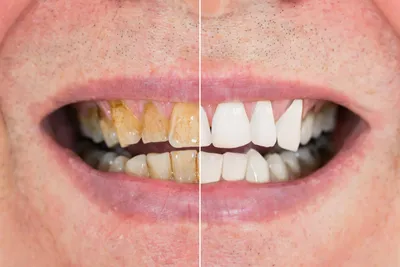
How to Remove Stains from Teeth: A Complete Guide for a Brighter Smile
A practical guide to what causes tooth stains, what the colors mean, and how to treat and prevent them.