
Bonding vs Crown: Which Is the Best to Fix a Damaged Tooth?
A bright, confident smile can make a world of difference, but chips, cracks, stains, or decay can leave you feeling self-conscious. Fortunately, modern dentistry offers incredible solutions to restore both the function and beauty of your teeth. Two of the most common and effective treatments are dental bonding and dental crowns. But when faced with the choice of bonding vs crown, how do you know which is the best option for you?
What is Dental Bonding? The Art of Minimally Invasive Repair
Dental bonding is a cosmetic and restorative procedure that uses a tooth-colored composite resin to repair minor dental imperfections. Think of it as an artistic sculpting process for your teeth. It’s a popular choice for those seeking a quick, effective, and affordable fix.
The Tooth Bonding Procedure
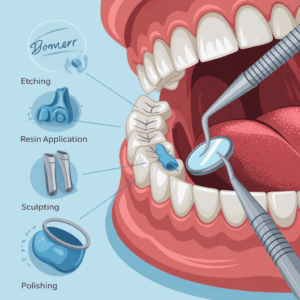
The process for tooth bonding is straightforward and is completed in a single dental visit. Here’s what you can expect:
- Preparation: The tooth surface is lightly etched to create a rough texture, which helps the bonding material adhere securely. Unlike crowns, this requires minimal to no removal of your natural tooth enamel.
- Application: Your dentist applies a putty-like composite resin, which has been carefully color-matched to your surrounding teeth, directly onto the tooth.
- Sculpting: The resin is skillfully molded and shaped to fix the chip, fill the gap, or cover the discoloration, creating a seamless and natural look.
- Curing: A special curing light is used to harden the resin, bonding it firmly to the tooth.
- Polishing: Finally, the bonded tooth is polished to match the sheen of your other teeth.
This entire process makes composite bonding a fantastic example of a minimally invasive tooth repair, as it preserves the maximum amount of your natural tooth structure.
Pros and Cons of Dental Bonding
Pros:
- Cost-Effective: Generally less expensive than dental crowns.
- Speed: The procedure is typically completed in one appointment.
- Minimally Invasive: Preserves your natural tooth enamel.
- Versatility: Excellent for repairing small chips, cracks, gaps, and minor discoloration.
Cons:
- Durability: The composite resin is not as strong as the materials used for crowns and can chip over time.
- Staining: Bonding material is more porous than porcelain and can stain over time from coffee, tea, or smoking.
- Longevity: Typically lasts between 3 to 10 years with proper care before needing a touch-up or replacement.
What are Dental Crowns? The Ultimate in Strength and Protection
Dental crowns, often referred to as tooth crowns or dental caps, are custom-made restorations that completely cover a damaged or weakened tooth. A crown encases the entire visible portion of a tooth above the gum line, restoring its original shape, size, strength, and appearance.
The Dental Crown Procedure
Getting a dental crown is a more involved process than bonding and usually requires two dental visits.
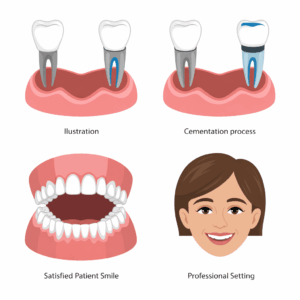
- First Visit (Preparation): The dentist will first prepare the tooth by removing any decay and shaping it to make room for the crown. An impression of the prepared tooth and surrounding teeth is taken and sent to a dental lab, where your custom crown will be fabricated. A temporary crown is placed to protect the tooth while you wait.
- Second Visit (Placement): Once your permanent crown is ready (usually in about two weeks), you’ll return to the dentist. The temporary crown is removed, and the permanent one is checked for fit, color, and bite. If everything is perfect, the new crown is permanently cemented into place.
Pros and Cons of Dental Crowns
Pros:
- Superior Strength: Crowns are incredibly durable and can withstand significant biting forces, making them ideal for molars or severely damaged teeth.
- Longevity: With proper care, dental crowns can last 15 years or more.
- Aesthetics: High-quality porcelain crowns are highly stain-resistant and offer a beautiful, natural-looking appearance.
- Protection: A crown provides full coverage, protecting a weak tooth from further fracture or damage.
Cons:
- More Invasive: The procedure requires the removal of a significant portion of the natural tooth structure.
- Cost: Crowns are a more significant financial investment than bonding.
- Time: The process requires at least two appointments over several weeks.
Head-to-Head: Crown vs Bonding for Common Dental Issues
Now that you understand the basics, let’s look at some specific scenarios to help clarify the composite bonding vs crown decision.
Bonding vs Crown Front Tooth
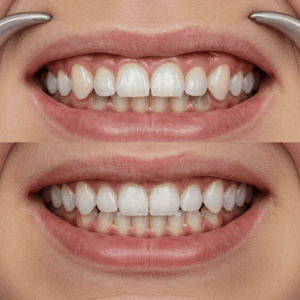
When it comes to your front teeth, aesthetics are paramount. The choice of bonding vs crown for front teeth largely depends on the extent of the damage.
- Choose Bonding for: Minor imperfections on a front tooth, such as a small chip on the edge, a narrow gap between teeth, or a minor surface stain. Dental bonding is an excellent, conservative option that blends flawlessly without altering the entire tooth.
- Choose a Crown for: A front tooth that is severely cracked, has had a root canal, is significantly discolored, or is badly misshapen. A crown will provide the necessary strength to prevent the tooth from breaking and offer a complete cosmetic transformation.
Crown vs Bonding for Cavities
The discussion of crown vs bonding for cavities is all about the size of the decay.
- Choose Bonding/Filling for: Small to moderate-sized cavities. The composite resin material used in tooth bonding is the same material used for tooth-colored fillings. It’s the standard, effective treatment for restoring a tooth after minor decay is removed.
- Choose a Crown for: A huge cavity that has compromised the structural integrity of the tooth. When a filling would be too large and leave the remaining tooth walls weak and prone to fracture, a crown is necessary to hold the tooth together and protect it for the long term.
Is Bonding Better Than a Crown?
Dental bonding and crowns serve similar purposes—both improve the look and strength of a tooth—but they do so in different ways.
In simple terms:
- Bonding focuses on cosmetic improvement and minor repairs.
- Crowns provide full coverage and structural protection.
According to the American Dental Association (ADA), dental crowns are generally more durable and can last between 10 to 15 years, while bonding materials tend to wear down faster. However, bonding is less expensive, often costing between $100–$600 per tooth, compared to crowns, which can range from $800–$2,500 per tooth, depending on the material and complexity.
When Do You Need a Dental Crown Instead of Bonding?
You’ll typically need a dental crown when your tooth requires more than just a cosmetic fix. While bonding can repair minor imperfections, it cannot handle major damage or extensive decay.
You may need a crown if:
- Your tooth is cracked, fractured, or worn down.
- There’s a large filling or a root canal that has weakened the tooth.
- You have extensive decay that bonding cannot restore.
- You want to improve the alignment or bite of a damaged tooth.
- You grind your teeth (bruxism), which can quickly wear down bonding.
Crowns are also ideal for restoring molars—the teeth that do most of the chewing—because they can withstand higher pressure and daily wear.
Bonding, in contrast, works best for minor cosmetic concerns.
In short, choose bonding for beauty, and crowns for strength. If your dentist determines that your tooth structure is compromised, they’ll likely recommend a crown to protect it from further damage and preserve your oral health in the long run.
How Long Does Dental Bonding Last Compared to a Crown?
Durability is one of the biggest differences between bonding and crowns.
Dental bonding generally lasts 3 to 10 years, depending on your oral habits and how well you care for your teeth.
Dental crowns, on the other hand, are designed to be much more durable. With proper care, a high-quality porcelain or ceramic crown can last 10 to 15 years, and sometimes even longer. Metal or gold crowns tend to last the longest, often 20 years or more.
Here’s a quick comparison:
Feature |
Dental Bonding |
Dental Crown |
Durability |
3–10 years |
10–20 years |
Strength |
Moderate |
Very strong |
Cost |
$100–$600 per tooth |
$800–$2,500 per tooth |
Procedure Time |
1 visit |
2 visits (usually) |
Maintenance |
May stain over time |
Stain-resistant |
Ideal For |
Minor chips and gaps |
Extensive damage or decay |
Can Bonding Fix a Broken Tooth or Do I Need a Crown?
If your tooth has a small chip or crack, dental bonding can often restore it beautifully. But if your tooth is badly broken, structurally weak, or has lost a large portion of enamel, bonding won’t be enough. In that case, your dentist will likely recommend a dental crown.

Quick Fix vs Long-Term Solution
If you’re looking for an immediate improvement, bonding is your quick fix. It’s affordable, painless, and can dramatically enhance your smile in a single visit. However, it’s not as strong as your natural enamel or a crown—and may need to be repaired or replaced after several years.
Crowns, on the other hand, require more preparation and a higher upfront cost, but they provide a long-term solution. They resist staining, provide exceptional durability, and restore both function and beauty.
Choosing between bonding vs crown is a significant decision that impacts your oral health and the appearance of your smile. While dental bonding offers a quick and conservative fix for minor issues, dental crowns provide a robust, long-term solution for teeth with more substantial damage.
The best choice always depends on your unique clinical situation, budget, and cosmetic goals. The most crucial step is to consult with an experienced dentist who can thoroughly evaluate your tooth and recommend the most appropriate treatment plan for you.
Ready to restore your smile and boost your confidence? Our team is here to help you navigate your options and find the perfect solution for your needs.
Contact our office today to schedule a consultation and discover whether dental bonding or a dental crown is the right choice for you!