
How to Choose the Right Types of Dental Veneers For You
Understanding the different types of dental veneers is the first step toward deciding if this popular treatment is right for you.
This guide will walk you through the most common types of veneers, exploring their materials, benefits, procedure, and ideal candidates.
What Are Veneers?
Veneers are thin, custom-made shells that cover the front surface of your teeth to improve their appearance. They are often used to correct issues like discoloration, chips, gaps, or uneven shapes. Veneers are bonded permanently to your teeth, giving you a more uniform and attractive smile.
Your dentist will carefully design veneers to match the color, size, and shape that works best for you. The process typically involves removing a small amount of tooth enamel to create space for the veneer, followed by its secure attachment. With proper care, veneers can last for years, making them a popular choice for long-term smile enhancement.
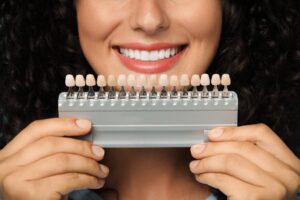
Types Of Dental Veneers
There are several types of veneers available, each with its own cost, durability, and benefits. Choosing the right one depends on your budget, desired results, and the desired lifespan.
Porcelain Veneers
Cost: $900 – $2,500 per tooth (varies by location and dentist)
Pros:
- Long-lasting (10–15 years with proper care)
- Stain-resistant, keeping your smile bright
- Natural-looking, with excellent color matching
- Strong and durable
Cons:
- Irreversible (enamel must be removed)
- Higher cost compared to other options
- Requires more than one dental visit
Composite Resin Veneers
Cost: $250 – $1,500 per tooth
Pros:
- More affordable than porcelain
- It can often be applied in one visit
- Easy to repair if chipped
- Less enamel removal is needed
Cons:
- Less durable (5–7 years on average)
- More prone to staining over time
- Not as natural-looking as porcelain
Lumineers (No-Prep Veneers)
Cost: $800 – $2,000 per tooth
Pros:
- Minimal or no enamel removal
- Painless application process
- Reversible in some cases
- Natural and translucent appearance
Cons:
- Thinner material may not hide severe discoloration
- Shorter lifespan compared to traditional porcelain (8–10 years)
- It can be more expensive than a composite
Temporary (Removable) Veneers
Cost: $300 – $1,000 for a full arch
Pros:
- Non-invasive and reversible
- Budget-friendly
- Quick cosmetic fix for events or short-term needs
- No enamel removal required
Cons:
- Not a permanent solution
- Less comfortable and bulkier than permanent veneers
- It can affect speech and bite function
- Limited durability
What Type Of Veneers Is Best?
The best type of veneer for you depends on your priorities, budget, and dental needs. If you want the most natural look and long-lasting results, porcelain veneers are often considered the gold standard. They provide excellent color matching, resist stains, and can last over a decade with proper care.
If cost is a bigger concern and you don’t mind replacing them sooner, composite resin veneers offer a more affordable option while still improving your smile. For patients who prefer a less invasive procedure, Lumineers or other no-prep veneers can be a suitable choice, as they require minimal to no enamel removal.
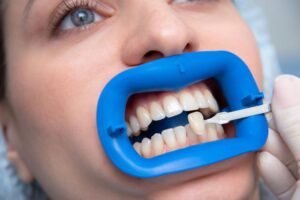
The right decision should be made in consultation with your dentist, who can evaluate your teeth and recommend the best approach for achieving your smile goals.
What Is The Most Durable Type Of Veneer?
Porcelain veneers are the most durable option. With proper dental hygiene and regular checkups, they can last 10–15 years or more without losing their appearance. Porcelain is highly resistant to chips, cracks, and staining, making it ideal for long-term smile enhancement.
By comparison, composite resin veneers typically last 5–7 years, while no-prep veneers, such as Lumineers, last around 8–10 years. While porcelain may come at a higher cost, its durability often makes it a better long-term investment, offering both aesthetic appeal and functional benefits.
What Type Of Veneers Look The Most Natural?
If your priority is a flawless smile that still looks completely natural, porcelain veneers are the top choice. Their translucent quality mimics natural tooth enamel, allowing light to pass through just as it does with real teeth. This creates a lifelike, non-artificial appearance.
For an even more realistic result, your dentist will custom-shade and shape each porcelain veneer to match your surrounding teeth. No-prep porcelain veneers, such as Lumineers, can also deliver a highly natural look, though they may not be as effective for teeth with significant discoloration or damage.
What Is The Most Expensive Type Of Veneer?
Porcelain veneers are generally the most expensive type, ranging from $900 to $2,500 per tooth, depending on your location, the dentist’s expertise, and the level of customization needed. Within this category, ultra-thin and premium cosmetic porcelain options, such as E.max or feldspathic porcelain veneers, tend to be at the higher end of the price range due to their superior aesthetics and craftsmanship.
While they cost more upfront, their durability, stain resistance, and natural appearance often make them a worthwhile investment.
What Is The Highest Grade Of Veneer?
The highest grade of veneer is typically considered to be premium porcelain veneers made from materials like E.max lithium disilicate or feldspathic porcelain. These are valued for their:
- Exceptional strength and durability
- Highly natural, translucent appearance
- Precision customization for fit, color, and shape
- Long lifespan when properly cared for
These high-grade veneers are often hand-layered by skilled dental technicians, which adds to both their quality and cost. They are the go-to option for patients seeking the very best in cosmetic dentistry.
The Gold Standard: A Deep Dive into Porcelain Veneers
When people refer to a “smile makeover,” they often mean porcelain veneers. Widely regarded as the premium choice in cosmetic dentistry, porcelain veneers offer a superior combination of beauty and strength that is difficult to match.
What are Porcelain Veneers?
As the name suggests, these veneers are crafted from a high-quality, durable dental ceramic. A dental lab meticulously fabricates each shell based on an impression of your teeth, ensuring a perfect, custom fit. The magic of porcelain lies in its light-reflecting properties, which closely mimic the translucency of natural tooth enamel. This gives them an incredibly lifelike appearance.
Key Benefits of Porcelain Veneers:
- Unmatched Aesthetics: Porcelain captures and reflects light just like a natural tooth, making it virtually indistinguishable from the real thing. They can be color-matched perfectly to your surrounding teeth for a seamless look.
- Exceptional Durability: With proper care, porcelain veneers are incredibly strong and resilient. How long do veneers last? A well-maintained set of porcelain veneers can last for 15 years or even longer.
- Stain Resistance: The non-porous surface of ceramic is highly resistant to staining from coffee, tea, red wine, and smoking. Your smile will stay brighter for longer compared to natural teeth or other types of veneers.
The Porcelain Veneer Procedure
The journey to getting porcelain veneers typically takes two to three dental visits.
- Consultation & Preparation: Your dentist will first ensure you’re a good candidate. Then, to make room for the veneer, a very thin layer of enamel (usually less than a millimeter) is gently removed from the front of the tooth. This step is crucial for ensuring the veneer sits flush with your other teeth and doesn’t look bulky. Since enamel is removed, many people ask, ‘Are veneers permanent?’ Yes, the traditional porcelain veneer procedure is considered irreversible.
- Impressions: An impression or digital scan of your prepared teeth is taken and sent to a dental laboratory, where your custom veneers will be created. You’ll likely be fitted with temporary veneers to protect your teeth in the meantime.
- Bonding: Once your permanent veneers are ready (usually in 2-3 weeks), you’ll return to the dentist. The temporaries are removed, and your custom veneers are checked for fit and color before being permanently bonded to your teeth with a strong dental cement.

A Flexible and Affordable Option: Composite Veneers
If you’re looking for a more budget-friendly or less invasive alternative to porcelain, composite resin veneers are an excellent option. They offer a fantastic way to correct minor cosmetic issues, often in a single dental visit.
What are Composite Veneers?
Composite veneers are made from a tooth-colored resin material—the same durable material used for cosmetic dental bonding. Unlike porcelain veneers that are made in a lab, composite veneers are typically built directly onto your teeth by the dentist. The dentist applies the resin in layers, skillfully sculpting and shaping it to achieve the desired look before hardening it with a special curing light.
Key Benefits and Drawbacks:
- Pro: Lower Cost: The cost of veneers is a major factor for many patients. Composite veneers are significantly more affordable than their porcelain counterparts.
- Pro: Same-Day Treatment: Because they are applied and sculpted directly in the dental chair, the entire veneer procedure can often be completed in just one appointment.
- Pro: Less Invasive: In many cases, composite veneers require minimal to no removal of the natural tooth enamel, making it a more conservative treatment.
- Con: Durability: Composite resin is not as strong as porcelain. These veneers typically last between 5 to 7 years and are more susceptible to chipping or wear over time.
- Con: Prone to Staining: The material is more porous than porcelain, meaning it can stain more easily over time. You may need to be more mindful of consuming foods and drinks that can stain.
Who Should Consider Composite Veneers?
Composite veneers are a great choice for patients with minor issues, such as a small chip or gap, for younger patients whose teeth are still developing, or for anyone seeking a fast, effective, and reversible cosmetic fix without the higher price tag of porcelain veneers.
The Modern Approach: No-Prep and Minimal-Prep Veneers
A common concern for patients is the removal of healthy tooth enamel required for traditional porcelain veneers. This has led to the development of “no-prep” or “minimal-prep” veneers, which offer a less invasive path to a perfect smile.
Introducing Lumineers and Other Ultra-Thin Options
Lumineers are the most well-known brand of no-prep veneers, but other brands exist. These are essentially a type of porcelain veneer, but they are exceptionally thin—about as thick as a contact lens. Their slim profile allows them to be placed directly over your existing teeth with minimal to no enamel removal.
This is a game-changer for many patients, as it preserves the underlying tooth structure. This key difference also means the process is often considered reversible. If you ever decided to have them removed, your natural tooth would still be healthy and whole underneath.
Pros and Cons of No-Prep Veneers
- Pros: The primary advantage is the preservation of your natural tooth structure. The procedure is also faster and completely painless, with no need for anesthesia or temporary veneers.
- Cons: No-prep veneers are not suitable for everyone. Because nothing is removed, they can sometimes add a slight bulk to the teeth. They are also not ideal for correcting more significant issues like dark discoloration or crookedness, as the underlying imperfection may show through the ultra-thin shell. While less invasive, they are still a significant financial investment, often comparable to the cost of traditional porcelain veneers.
Making the Right Choice for Your Smile
Choosing between the different types of dental veneers comes down to a personal decision based on your unique cosmetic goals, financial budget, and long-term expectations.
- Porcelain Veneers are the top-tier choice for a total, long-lasting smile makeover with stunning, natural-looking results.
- Composite Veneers are a fantastic, affordable, and fast option for correcting minor flaws and for those who prefer a less permanent solution.
- No-Prep Veneers are ideal for patients with minor imperfections who want to preserve their natural tooth enamel and desire a reversible treatment.
The most important step in your journey is a thorough consultation with an experienced cosmetic dentist. They can assess your oral health, listen to your goals, and provide a professional recommendation tailored to your specific needs.
Ready to stop hiding your smile and start sharing it with the world?
Contact our office today to schedule a consultation for your cosmetic dentistry needs. We’ll help you explore all your options and determine which type of dental veneer is the perfect fit to create the beautiful, confident smile you deserve.