'%3e%3cpath%20d='M923.21,488.13c-3.16-7.79-8-17.56-17.57-23.98-7.1-4.71-15.4-7.26-26.92-8.25h-.1c-10.32-.4-20.27,1.96-29.91,4.23-4.24,1-8.63,2.04-12.86,2.79-.6,.09-1.21,.19-1.82,.29-6.34,1.01-12.33,1.96-16.47-2.28-4.53-4.5-7.47-10.23-10.59-16.29-.45-.87-.9-1.74-1.35-2.61-.72-1.39-1.44-2.8-2.16-4.23-4.16-8.22-8.45-16.73-15.65-23.28-18.43-15.29-34.28-18.48-54.69-10.97-22.67,8.36-37.54,33.4-42.24,54.59-2.87,15.38-2.15,32.19,2.13,49.98l.45,1.85,7.53-1-.13-1.98c-.85-12.5-1.5-25.81,.63-39.05,.24-1.82,.61-3.79,.97-5.69,.12-.62,.23-1.23,.34-1.83,4.21-17.82,16.55-38.81,34.65-45.55,15.72-5.72,26.37-3.71,40.67,7.66,6.3,4.96,10.7,13.81,15.36,23.17,5.29,10.63,10.77,21.63,19.58,27.24,9.41,5.91,24.21,2.42,38.51-.96,10.72-2.53,21.81-5.15,29.92-3.62l.12,.02c12.7,1.61,20.97,6.61,26.03,15.76,2.9,5.15,4.68,9.37,5.58,13.21,2.52,12.29-.58,26.58-9.2,42.48-4.39,8.11-10.97,15.51-20.12,22.64-4.9,3.85-10.66,7.32-16.23,10.67-3.81,2.29-7.75,4.66-11.4,7.15-20.44,14.22-31.7,35.12-40.01,53.69l3.67,2.08c1.54-2.21,3.06-4.45,4.58-6.68,4.48-6.59,9.11-13.41,14.4-19.52,8.3-9.69,17.35-17.36,26.89-22.78,1.41-.81,4.32-2.51,6.88-4.01,1.58-.92,3.03-1.77,3.91-2.29,14.97-8.65,25.81-17.81,33.19-28.03,6.62-9.57,11.72-20.52,14.35-30.83,3.21-12.58,2.9-23.94-.94-33.77Z'/%3e%3cpath%20d='M214.5,531.7c6.65,3.39,11.75,8.22,15.29,14.51,3.54,6.29,5.32,13.7,5.32,22.22s-1.77,15.91-5.32,22.16c-3.54,6.25-8.64,11.03-15.29,14.33-6.65,3.31-14.51,4.96-23.59,4.96h-25.92v-83.27h25.92c9.08,0,16.94,1.69,23.59,5.08Zm1.02,60.69c5.65-5.69,8.48-13.68,8.48-23.95s-2.85-18.44-8.54-24.25c-5.7-5.81-13.88-8.72-24.55-8.72h-15.05v65.46h15.05c10.75,0,18.95-2.85,24.61-8.54Z'/%3e%3cpath%20d='M260.31,535.46v27.83h30.34v8.96h-30.34v28.67h33.93v8.96h-44.8v-83.38h44.8v8.96h-33.93Z'/%3e%3cpath%20d='M376.19,609.89h-10.87l-43.72-66.3v66.3h-10.87v-83.38h10.87l43.72,66.18v-66.18h10.87v83.38Z'/%3e%3cpath%20d='M445.96,526.62v8.84h-22.7v74.42h-10.87v-74.42h-22.82v-8.84h56.39Z'/%3e%3cpath%20d='M508.55,591.37h-36.32l-6.69,18.52h-11.47l30.1-82.79h12.54l29.98,82.79h-11.47l-6.69-18.52Zm-3.11-8.84l-15.05-42.05-15.05,42.05h30.1Z'/%3e%3cpath%20d='M608.66,526.62l-31.42,83.27h-12.54l-31.42-83.27h11.59l26.16,71.8,26.16-71.8h11.47Z'/%3e%3cpath%20d='M631.48,526.62v83.27h-10.87v-83.27h10.87Z'/%3e%3cpath%20d='M718.8,526.62l-31.42,83.27h-12.54l-31.42-83.27h11.59l26.16,71.8,26.16-71.8h11.47Z'/%3e%3cpath%20d='M747.35,605.29c-6.37-3.62-11.41-8.68-15.11-15.17-3.7-6.49-5.55-13.8-5.55-21.92s1.85-15.43,5.55-21.92c3.7-6.49,8.74-11.55,15.11-15.17,6.37-3.62,13.42-5.44,21.15-5.44s14.89,1.81,21.26,5.44c6.37,3.62,11.39,8.66,15.05,15.11,3.66,6.45,5.5,13.78,5.5,21.98s-1.83,15.53-5.5,21.98c-3.66,6.45-8.68,11.49-15.05,15.11-6.37,3.62-13.46,5.44-21.26,5.44s-14.77-1.81-21.15-5.44Zm36.85-8.06c4.66-2.71,8.32-6.57,10.99-11.59,2.67-5.02,4-10.83,4-17.44s-1.33-12.52-4-17.5c-2.67-4.98-6.31-8.82-10.93-11.53-4.62-2.71-9.88-4.06-15.77-4.06s-11.15,1.35-15.77,4.06c-4.62,2.71-8.26,6.55-10.93,11.53-2.67,4.98-4,10.81-4,17.5s1.33,12.42,4,17.44c2.67,5.02,6.33,8.88,10.99,11.59,4.66,2.71,9.89,4.06,15.71,4.06s11.05-1.35,15.71-4.06Z'/%3e%3c/g%3e%3c/svg%3e)
Chipped a Tooth? Here's What to Do Right Away


Written by Sedef Özdemir · Content Specialist

Medically reviewed by Dr. Mine Helvacıoğlu Özkardeş, Prosthodontist
14+ years of experience in smile design, veneers, and implant-supported restorations.
Last reviewed: October 23, 2026
It usually happens somewhere ordinary: biting into ice, an unexpected popcorn kernel, a fall, or a hard candy that fought back. One moment your tooth feels normal, and the next your tongue finds a sharp edge that was not there before. Chipped teeth are common, and in most cases they are also straightforward to deal with, as long as you know what to do first.
What to Do Right After You Chip a Tooth
- Rinse your mouth gently with warm water to clear any debris.
- If there is bleeding, apply light pressure with clean gauze.
- Save any broken piece of tooth if you can find it and keep it moist (in milk or saliva), in case your dentist can use it.
- Cover any sharp edge with orthodontic wax or sugar-free chewing gum so it does not cut your tongue or cheek.
- Stick to soft food and avoid chewing on that side until you have been seen.
- Take an over-the-counter pain reliever if needed, and use a cold compress on the outside of your face to reduce swelling.
None of this fixes the tooth. It just protects it, and you, until a dentist can take a proper look.
Can a Chipped Tooth Be Fixed?
Yes, in the vast majority of cases. Dentists repair chipped teeth every day, and the tooth underneath is usually fine once the visible damage is addressed. The exception is a chip that has exposed the softer dentin layer or the nerve at the center of the tooth, which tends to come with noticeable sensitivity or pain rather than just a rough edge. That still needs treatment, just a different kind, and it is a reason to book an appointment sooner rather than later instead of waiting it out.
How Do Dentists Fix a Chipped Tooth?
The right fix depends on how much tooth is missing and where it is.
- Small chips: often smoothed and polished in a single short visit, sometimes with no additional material needed at all.
- Moderate chips: typically repaired with dental bonding, where tooth-colored composite resin is shaped onto the tooth, hardened with a curing light, and polished to blend in. It is quick, does not usually require numbing, and can often be done the same day.
- Larger chips or a chip on a tooth that has already had a lot of work done to it: may call for a dental crown or a veneer instead, since bonding has less to hold onto and a crown protects the rest of the tooth from further damage.
- A chip that reaches the nerve: needs a root canal before any cosmetic repair, since the priority at that point is saving the tooth itself.
Your dentist will usually be able to tell which category you are in after a visual exam and, if needed, an X-ray to check what is happening beneath the surface.
How to Fix a Chipped Tooth at Home
There is no safe way to permanently fix a chipped tooth at home, and it is worth being cautious about advice that suggests otherwise. Temporary dental repair kits sold for denture repairs are not designed for chipped natural teeth and can do more harm than good if used on one. What you can safely do at home is manage the situation until your appointment: keep the edge covered with wax, avoid biting directly on it, and stick to lukewarm foods and drinks if the area feels sensitive to temperature.
Will a Small Chip Smooth Out on Its Own?
Enamel does not regenerate, so a chip will not heal or smooth itself out the way a cut on your skin would. In practice, a very small, shallow chip that is not causing sensitivity, pain, or a sharp edge sometimes gets left as-is by choice, since there is nothing urgent to treat. That is a call worth making with a dentist rather than on your own, since it can be hard to judge from the mirror whether a chip is truly minor or whether it has affected more of the tooth than it looks like.
Can a Chipped Tooth Get Worse If You Left Untreated?
Yes, this is one of the more common reasons a small problem turns into a bigger one. A rough or weakened edge is more prone to catching on things and chipping further, and if the chip has exposed dentin, that layer is more porous and vulnerable to decay than enamel. Left long enough, what started as a cosmetic fix can turn into a root canal. Getting it looked at while it is still minor is generally the faster and less expensive path.
How Much Does It Cost to Fix a Chipped Tooth?
Cost depends on the repair method and how much of the tooth needs to be addressed. As a general guide, bonding is the most affordable option, since it uses less material and less chair time than a crown, while a crown or veneer costs more but is built to last longer and handle more bite force. At Dentavivo, bonding starts from €75, and crowns start from €150 per tooth, both well below equivalent private pricing in the UK, US, or much of Western Europe, which is part of why patients often combine a chipped tooth repair with other treatment during the same trip to Istanbul. Get in touch with photos of the chip if you would like a free, personalized quote before booking anything.
When to See a Dentist Urgently
Most chipped teeth are not emergencies, but a few signs mean you should not wait:
- Sharp, ongoing pain rather than mild sensitivity.
- Visible pink or reddish tissue inside the chip, which can indicate the nerve is exposed.
- A large piece of the tooth missing, or the tooth feels loose.
- The chip happened alongside a hard knock to the face or jaw.
If none of those apply, it is still worth having the tooth checked within a few days rather than months, simply so a small repair stays a small repair.
If you have chipped a tooth and want to know your options, reach out to Dentavivo with a photo and we can talk through what the repair would likely involve.
This page provides general information and does not constitute individual medical advice. Treatment suitability, plans, and costs can only be confirmed after a personal consultation and clinical examination with a qualified dentist. Individual results vary.
You Might Also Like
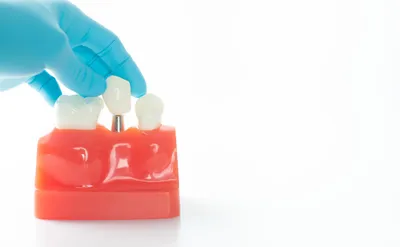
Bonding vs Crown: Which Is the Best to Fix a Damaged Tooth?
Chipped, cracked, or decayed tooth? Compare dental bonding and crowns to see which repair option makes more sense.
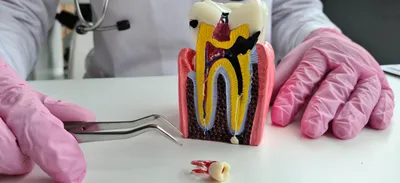
Root Canal Treatment: Cost, Procedure and Recovery Explained
A clear breakdown of what a root canal actually involves, from procedure to recovery to cost.
Swollen Gums with Braces? Here's How to Soothe and Heal Fast
Red, puffy gums with braces are common and usually temporary. Here's what causes it and how to soothe it fast.