'%3e%3cpath%20d='M923.21,488.13c-3.16-7.79-8-17.56-17.57-23.98-7.1-4.71-15.4-7.26-26.92-8.25h-.1c-10.32-.4-20.27,1.96-29.91,4.23-4.24,1-8.63,2.04-12.86,2.79-.6,.09-1.21,.19-1.82,.29-6.34,1.01-12.33,1.96-16.47-2.28-4.53-4.5-7.47-10.23-10.59-16.29-.45-.87-.9-1.74-1.35-2.61-.72-1.39-1.44-2.8-2.16-4.23-4.16-8.22-8.45-16.73-15.65-23.28-18.43-15.29-34.28-18.48-54.69-10.97-22.67,8.36-37.54,33.4-42.24,54.59-2.87,15.38-2.15,32.19,2.13,49.98l.45,1.85,7.53-1-.13-1.98c-.85-12.5-1.5-25.81,.63-39.05,.24-1.82,.61-3.79,.97-5.69,.12-.62,.23-1.23,.34-1.83,4.21-17.82,16.55-38.81,34.65-45.55,15.72-5.72,26.37-3.71,40.67,7.66,6.3,4.96,10.7,13.81,15.36,23.17,5.29,10.63,10.77,21.63,19.58,27.24,9.41,5.91,24.21,2.42,38.51-.96,10.72-2.53,21.81-5.15,29.92-3.62l.12,.02c12.7,1.61,20.97,6.61,26.03,15.76,2.9,5.15,4.68,9.37,5.58,13.21,2.52,12.29-.58,26.58-9.2,42.48-4.39,8.11-10.97,15.51-20.12,22.64-4.9,3.85-10.66,7.32-16.23,10.67-3.81,2.29-7.75,4.66-11.4,7.15-20.44,14.22-31.7,35.12-40.01,53.69l3.67,2.08c1.54-2.21,3.06-4.45,4.58-6.68,4.48-6.59,9.11-13.41,14.4-19.52,8.3-9.69,17.35-17.36,26.89-22.78,1.41-.81,4.32-2.51,6.88-4.01,1.58-.92,3.03-1.77,3.91-2.29,14.97-8.65,25.81-17.81,33.19-28.03,6.62-9.57,11.72-20.52,14.35-30.83,3.21-12.58,2.9-23.94-.94-33.77Z'/%3e%3cpath%20d='M214.5,531.7c6.65,3.39,11.75,8.22,15.29,14.51,3.54,6.29,5.32,13.7,5.32,22.22s-1.77,15.91-5.32,22.16c-3.54,6.25-8.64,11.03-15.29,14.33-6.65,3.31-14.51,4.96-23.59,4.96h-25.92v-83.27h25.92c9.08,0,16.94,1.69,23.59,5.08Zm1.02,60.69c5.65-5.69,8.48-13.68,8.48-23.95s-2.85-18.44-8.54-24.25c-5.7-5.81-13.88-8.72-24.55-8.72h-15.05v65.46h15.05c10.75,0,18.95-2.85,24.61-8.54Z'/%3e%3cpath%20d='M260.31,535.46v27.83h30.34v8.96h-30.34v28.67h33.93v8.96h-44.8v-83.38h44.8v8.96h-33.93Z'/%3e%3cpath%20d='M376.19,609.89h-10.87l-43.72-66.3v66.3h-10.87v-83.38h10.87l43.72,66.18v-66.18h10.87v83.38Z'/%3e%3cpath%20d='M445.96,526.62v8.84h-22.7v74.42h-10.87v-74.42h-22.82v-8.84h56.39Z'/%3e%3cpath%20d='M508.55,591.37h-36.32l-6.69,18.52h-11.47l30.1-82.79h12.54l29.98,82.79h-11.47l-6.69-18.52Zm-3.11-8.84l-15.05-42.05-15.05,42.05h30.1Z'/%3e%3cpath%20d='M608.66,526.62l-31.42,83.27h-12.54l-31.42-83.27h11.59l26.16,71.8,26.16-71.8h11.47Z'/%3e%3cpath%20d='M631.48,526.62v83.27h-10.87v-83.27h10.87Z'/%3e%3cpath%20d='M718.8,526.62l-31.42,83.27h-12.54l-31.42-83.27h11.59l26.16,71.8,26.16-71.8h11.47Z'/%3e%3cpath%20d='M747.35,605.29c-6.37-3.62-11.41-8.68-15.11-15.17-3.7-6.49-5.55-13.8-5.55-21.92s1.85-15.43,5.55-21.92c3.7-6.49,8.74-11.55,15.11-15.17,6.37-3.62,13.42-5.44,21.15-5.44s14.89,1.81,21.26,5.44c6.37,3.62,11.39,8.66,15.05,15.11,3.66,6.45,5.5,13.78,5.5,21.98s-1.83,15.53-5.5,21.98c-3.66,6.45-8.68,11.49-15.05,15.11-6.37,3.62-13.46,5.44-21.26,5.44s-14.77-1.81-21.15-5.44Zm36.85-8.06c4.66-2.71,8.32-6.57,10.99-11.59,2.67-5.02,4-10.83,4-17.44s-1.33-12.52-4-17.5c-2.67-4.98-6.31-8.82-10.93-11.53-4.62-2.71-9.88-4.06-15.77-4.06s-11.15,1.35-15.77,4.06c-4.62,2.71-8.26,6.55-10.93,11.53-2.67,4.98-4,10.81-4,17.5s1.33,12.42,4,17.44c2.67,5.02,6.33,8.88,10.99,11.59,4.66,2.71,9.89,4.06,15.71,4.06s11.05-1.35,15.71-4.06Z'/%3e%3c/g%3e%3c/svg%3e)

Written by Sedef Özdemir · Content Specialist

Medically reviewed by Dr. Mine Helvacıoğlu Özkardeş, Prosthodontist
14+ years of experience in smile design, veneers, and implant-supported restorations.
Last reviewed: 3 August 2026
What Is All-on-4?
All-on-4 is a full-arch tooth replacement approach in which four implants are placed in the jaw at planned positions and angles to support a fixed row of replacement teeth for an entire arch. It was developed as an option for patients missing most or all of the teeth in one or both jaws, using the bone that’s typically still available even where some bone loss has occurred.
What Can All-on-4 Treat?
All-on-4 is generally used for extensive tooth loss across a full arch, whether teeth have already been lost or remaining teeth are failing and need to be removed as part of the same treatment plan. It replaces an entire row of teeth at once with a single fixed restoration, rather than treating each gap individually.
Types of Full-Arch Implant Treatment
- All-on-4. The original full-arch concept: four implants, two placed straight at the front and two angled toward the back of the jaw, supporting a complete fixed arch. See below for how it compares with All-on-6.
- All-on-6. The same principle using six implants, which can offer extra support where more bone is available. See our All-on-6 page for details.
- All-on-4 or All-on-6 combined with bone augmentation. Where imaging shows insufficient bone even for angled implant placement, a sinus lift or bone graft may be planned first.
Who Is a Suitable Candidate?
This approach is generally considered by patients with extensive tooth loss or failing teeth across an arch who are looking for a fixed, rather than removable, replacement option. As with any implant treatment, candidacy depends on bone quality, gum health, and general health, all assessed during a clinical consultation and imaging.
This section is general information. Individual candidacy can only be confirmed after a clinical examination, medical history review, and diagnostic imaging by a qualified dentist.
Consultation and Treatment Planning
Your case starts with sharing your dental history, concerns, and any imaging you already have through our contact form or WhatsApp. Because All-on-4 planning depends heavily on the shape and density of your jawbone, a CT scan is typically needed to map exact implant positions before a firm plan and price can be confirmed. Our team follows up with a personalised plan and free quote so you know what to expect before booking travel.
All-on-4 Procedure: Step by Step
- Assessment and planning. Imaging, usually including a CT scan, and a clinical exam are used to plan the four implant positions and angles.
- Extraction (if needed) and implant placement. Any remaining unsuitable teeth are removed and the four implants are placed, often in the same visit, under local anaesthesia or IV sedation.
- Temporary restoration. A provisional fixed bridge is typically attached the same day, so you leave with a full set of teeth while healing takes place.
- Final restoration. Once healing is confirmed, usually several months later, a definitive fixed bridge is fitted in place of the temporary one.
Exact sequencing and timelines vary by case and are confirmed by your dentist after examination.
Treatment Timeline and Visits
Most All-on-4 cases involve two visits to Istanbul: an initial visit for extractions (if needed), implant placement, and a temporary fixed bridge, and a second visit some months later for the final restoration once the implants have fully integrated with the bone. Healing time varies by patient, but is generally in the range of 3 to 6 months. Your dentist will confirm a personalised timeline once your imaging has been reviewed.
Recovery and Aftercare
The initial days after surgery matter most for healing:
- If there’s bleeding, bite down on damp gauze for about an hour, or a moistened tea bag for 20 to 30 minutes.
- Use ice packs on the outside of your face for the first 24 hours to help with swelling.
- Wait until 48 hours have passed before starting warm salt water rinses.
- Avoid smoking for at least 72 hours; longer is better for healing.
- Plan on resting for 1 to 2 days, with your head kept elevated, including while you sleep.
- Stick to soft, cool foods while the area heals, gradually returning to normal foods as advised.
- Take any prescribed medication exactly as directed.
Because All-on-4 involves multiple implants and often extractions in the same visit, some swelling and soreness in the first few days is normal and generally more noticeable than with a single implant. Our full pre-op and aftercare guide covers preparation and recovery in more detail.
Benefits
All-on-4 replaces a full arch of failing or missing teeth with a fixed set that looks and functions like natural teeth, without the need to remove anything at night the way you would with a denture. Using four implants rather than one per missing tooth also means less surgery overall, and the angled placement is designed to make use of bone that’s already there, which can reduce the need for a separate bone graft in some cases.
Risks and Limitations
As with any implant surgery, risks include infection or, in rare cases, one or more implants failing to integrate with the bone. All-on-4 is a more involved procedure than a single implant, often combining extractions, implant placement, and a temporary restoration in one visit, so recovery and the initial adjustment period tend to be more significant. Patients with insufficient bone even for angled placement, or unmanaged health conditions affecting healing, may need additional treatment first.
Alternatives and Comparisons
- All-on-4 vs. individual implants. Replacing each missing tooth with its own implant is possible but usually means significantly more implants, surgery, and cost for a full arch. All-on-4 is designed specifically to avoid that.
- All-on-4 vs. All-on-6. All-on-6 uses six implants instead of four for potentially added stability, generally where more bone is available. See our All-on-6 page for a fuller comparison.
- All-on-4 vs. removable dentures. A full denture doesn’t require surgery, but sits on the gum rather than being anchored in the jaw, and most patients find a fixed All-on-4 restoration feels and functions closer to natural teeth.
Which option fits your case depends on your bone health, budget, and personal preference, something your dentist can help you weigh up after an examination.
Materials, Brands and Technology
The four implant posts are generally titanium or a titanium alloy, chosen for how well they integrate with bone. The fixed bridge attached to them is typically made from a durable material such as acrylic on a titanium frame for the temporary restoration, with options like zirconia often used for the final, definitive bridge. At Dentavivo, implant treatment is available using different implant systems, including MIS and Straumann implants; your dentist can talk you through which combination suits your case at consultation.
All-on-4 Cost at Dentavivo
At Dentavivo, All-on-4 starts from €5,000 for a full arch. This covers a complete, fixed set of replacement teeth on four implants, generally at a lower cost than the same standard would reach in the UK, US, or Western Europe. The exact price depends on factors including whether extractions or bone grafting are needed first, and the materials chosen for your final restoration.
We don’t publish a single fixed price for every case, since every patient’s treatment plan is different. Share some details about your case through our contact form or WhatsApp, and our team will follow up with a clear, personalized quote.
What Is Included for International Patients?
Once you share your case with us, our team reviews it and follows up with a personalised treatment plan and a free quote, confirmed only after your consultation and imaging, so there are no surprises once you arrive. We stay in touch by WhatsApp and email throughout, help you plan your visit dates around your treatment timeline, given All-on-4 typically needs two trips, and remain available if a question comes up after you’re back home.
Before and After Results
Real results vary from patient to patient, which is exactly why we publish real photos rather than describe them. You can see genuine, unedited patient results from Dentavivo, including full-arch cases, in our Before & After gallery.
Meet the Treatment Team
Implant treatment at Dentavivo is medically reviewed by Dr. Mine Helvacıoğlu Özkardeş, a prosthodontist with 14+ years of experience in implant-supported restorations, smile design, and veneers, and a member of the International Team for Implantology (ITI). You can read her full background, education, and publications on her profile page.
Medical Review and References
This page was last reviewed on 3 August 2026 by Dr. Mine Helvacıoğlu Özkardeş. Where possible, it links to independent sources rather than asking you to take our word for it:
- International Team for Implantology (ITI): a global academic organisation dedicated to implant dentistry education and research. Dr. Helvacıoğlu Özkardeş is a member.
- American Dental Association (ADA): the U.S. professional association for dentists, publishing evidence-based clinical guidance and patient resources.
- National Institute of Dental and Craniofacial Research (NIDCR): part of the U.S. National Institutes of Health, publishing independent research and patient education on oral health.
Content on this page is general dental information reviewed by Dentavivo's dental team. It is not a substitute for individual medical advice. Treatment plans, suitability, and costs are confirmed only after a personal consultation and clinical examination.
Frequently Asked Questions
What does All-on-4 mean?
All-on-4 refers to a full-arch restoration concept where four implants are placed at specific angles and positions in the jaw to support a fixed set of replacement teeth for an entire arch.
Is All-on-4 suitable for everyone missing most of their teeth?
It is one option among several for patients with extensive tooth loss. Suitability depends on bone structure, gum health, and overall clinical findings, confirmed through examination and imaging.
Does All-on-4 always avoid the need for bone grafting?
The angled placement of the posterior implants is often chosen to make use of available bone, which can reduce the need for grafting in some cases. Whether grafting is needed depends on individual anatomy and must be assessed by a dentist.
What's the difference between All-on-4 and All-on-6?
Both are full-arch, fixed-teeth solutions built on strategically placed implants. All-on-6 uses six implants instead of four, which can offer additional support where more bone is available. Your dentist can advise which fits your case after reviewing your imaging; see our All-on-6 page for more detail.
Do I get teeth on the same day as surgery?
Often, yes. A temporary fixed set of teeth can typically be attached to the implants on the same day as surgery, so you're not left without teeth while healing. A final, definitive restoration is fitted later once healing is confirmed.
How long do All-on-4 implants last?
With good oral hygiene and regular check-ups, the implants themselves are designed to last for many years, often decades. The fixed prosthetic teeth attached to them may need adjustment, relining, or eventual replacement due to normal wear over time. Keeping up with aftercare and follow-up visits is one of the simplest ways to help your All-on-4 restoration last.
How do I clean and care for All-on-4 implants?
All-on-4 restorations are cleaned similarly to natural teeth, with brushing at least twice a day, though a water flosser or interdental brush is often recommended to reach under the fixed bridge. Your dentist will show you the specific cleaning technique for your restoration before you leave, along with any recommended tools. Regular professional check-ups also help catch any issues early.
What are the potential risks or problems with All-on-4?
As with any implant-based treatment, possible complications include infection, implant failure, or issues with the fit of the fixed prosthesis over time. These are uncommon when the procedure is planned carefully and aftercare instructions are followed. Your dentist will discuss the specific risks for your case during your consultation.
How much does All-on-4 cost in Turkey at Dentavivo?
At Dentavivo, All-on-4 treatment starts from €5,000 per arch. The final price depends on the materials used for the fixed prosthesis and whether any additional procedures are needed. Share your case with us for a free, personalized quote.
What can I eat after getting All-on-4 implants?
In the first few weeks, a soft-food diet is recommended while the implants heal, gradually returning to a normal diet as advised by your dentist. Very hard, sticky, or chewy foods are best avoided during this period, and in the long term, to help protect the fixed restoration. Your dentist will give you specific dietary guidance based on your healing progress.
Related Treatments
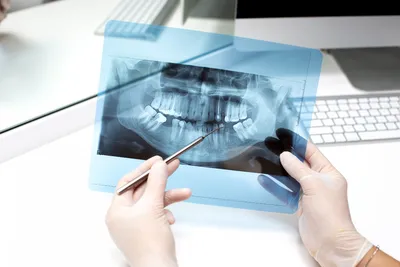
Dental Implants
A permanent, natural-looking solution for missing teeth.
All-on-6 Full-Arch Treatment
A full arch of new teeth, supported by six implants for extra stability.
Sinus Lift
A bone-augmentation procedure that adds bone below the sinus, sometimes required before implants can be placed in the upper back jaw.
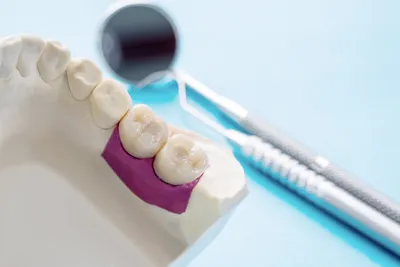
Dental Bridges
A fixed restoration that replaces one or more missing teeth by anchoring to neighbouring teeth or implants.
This page provides general information and does not constitute individual medical advice. Treatment suitability, plans, and costs can only be confirmed after a personal consultation and clinical examination with a qualified dentist. Individual results vary.