'%3e%3cpath%20d='M923.21,488.13c-3.16-7.79-8-17.56-17.57-23.98-7.1-4.71-15.4-7.26-26.92-8.25h-.1c-10.32-.4-20.27,1.96-29.91,4.23-4.24,1-8.63,2.04-12.86,2.79-.6,.09-1.21,.19-1.82,.29-6.34,1.01-12.33,1.96-16.47-2.28-4.53-4.5-7.47-10.23-10.59-16.29-.45-.87-.9-1.74-1.35-2.61-.72-1.39-1.44-2.8-2.16-4.23-4.16-8.22-8.45-16.73-15.65-23.28-18.43-15.29-34.28-18.48-54.69-10.97-22.67,8.36-37.54,33.4-42.24,54.59-2.87,15.38-2.15,32.19,2.13,49.98l.45,1.85,7.53-1-.13-1.98c-.85-12.5-1.5-25.81,.63-39.05,.24-1.82,.61-3.79,.97-5.69,.12-.62,.23-1.23,.34-1.83,4.21-17.82,16.55-38.81,34.65-45.55,15.72-5.72,26.37-3.71,40.67,7.66,6.3,4.96,10.7,13.81,15.36,23.17,5.29,10.63,10.77,21.63,19.58,27.24,9.41,5.91,24.21,2.42,38.51-.96,10.72-2.53,21.81-5.15,29.92-3.62l.12,.02c12.7,1.61,20.97,6.61,26.03,15.76,2.9,5.15,4.68,9.37,5.58,13.21,2.52,12.29-.58,26.58-9.2,42.48-4.39,8.11-10.97,15.51-20.12,22.64-4.9,3.85-10.66,7.32-16.23,10.67-3.81,2.29-7.75,4.66-11.4,7.15-20.44,14.22-31.7,35.12-40.01,53.69l3.67,2.08c1.54-2.21,3.06-4.45,4.58-6.68,4.48-6.59,9.11-13.41,14.4-19.52,8.3-9.69,17.35-17.36,26.89-22.78,1.41-.81,4.32-2.51,6.88-4.01,1.58-.92,3.03-1.77,3.91-2.29,14.97-8.65,25.81-17.81,33.19-28.03,6.62-9.57,11.72-20.52,14.35-30.83,3.21-12.58,2.9-23.94-.94-33.77Z'/%3e%3cpath%20d='M214.5,531.7c6.65,3.39,11.75,8.22,15.29,14.51,3.54,6.29,5.32,13.7,5.32,22.22s-1.77,15.91-5.32,22.16c-3.54,6.25-8.64,11.03-15.29,14.33-6.65,3.31-14.51,4.96-23.59,4.96h-25.92v-83.27h25.92c9.08,0,16.94,1.69,23.59,5.08Zm1.02,60.69c5.65-5.69,8.48-13.68,8.48-23.95s-2.85-18.44-8.54-24.25c-5.7-5.81-13.88-8.72-24.55-8.72h-15.05v65.46h15.05c10.75,0,18.95-2.85,24.61-8.54Z'/%3e%3cpath%20d='M260.31,535.46v27.83h30.34v8.96h-30.34v28.67h33.93v8.96h-44.8v-83.38h44.8v8.96h-33.93Z'/%3e%3cpath%20d='M376.19,609.89h-10.87l-43.72-66.3v66.3h-10.87v-83.38h10.87l43.72,66.18v-66.18h10.87v83.38Z'/%3e%3cpath%20d='M445.96,526.62v8.84h-22.7v74.42h-10.87v-74.42h-22.82v-8.84h56.39Z'/%3e%3cpath%20d='M508.55,591.37h-36.32l-6.69,18.52h-11.47l30.1-82.79h12.54l29.98,82.79h-11.47l-6.69-18.52Zm-3.11-8.84l-15.05-42.05-15.05,42.05h30.1Z'/%3e%3cpath%20d='M608.66,526.62l-31.42,83.27h-12.54l-31.42-83.27h11.59l26.16,71.8,26.16-71.8h11.47Z'/%3e%3cpath%20d='M631.48,526.62v83.27h-10.87v-83.27h10.87Z'/%3e%3cpath%20d='M718.8,526.62l-31.42,83.27h-12.54l-31.42-83.27h11.59l26.16,71.8,26.16-71.8h11.47Z'/%3e%3cpath%20d='M747.35,605.29c-6.37-3.62-11.41-8.68-15.11-15.17-3.7-6.49-5.55-13.8-5.55-21.92s1.85-15.43,5.55-21.92c3.7-6.49,8.74-11.55,15.11-15.17,6.37-3.62,13.42-5.44,21.15-5.44s14.89,1.81,21.26,5.44c6.37,3.62,11.39,8.66,15.05,15.11,3.66,6.45,5.5,13.78,5.5,21.98s-1.83,15.53-5.5,21.98c-3.66,6.45-8.68,11.49-15.05,15.11-6.37,3.62-13.46,5.44-21.26,5.44s-14.77-1.81-21.15-5.44Zm36.85-8.06c4.66-2.71,8.32-6.57,10.99-11.59,2.67-5.02,4-10.83,4-17.44s-1.33-12.52-4-17.5c-2.67-4.98-6.31-8.82-10.93-11.53-4.62-2.71-9.88-4.06-15.77-4.06s-11.15,1.35-15.77,4.06c-4.62,2.71-8.26,6.55-10.93,11.53-2.67,4.98-4,10.81-4,17.5s1.33,12.42,4,17.44c2.67,5.02,6.33,8.88,10.99,11.59,4.66,2.71,9.89,4.06,15.71,4.06s11.05-1.35,15.71-4.06Z'/%3e%3c/g%3e%3c/svg%3e)

Written by Sedef Özdemir · Content Specialist

Medically reviewed by Dr. Mine Helvacıoğlu Özkardeş, Prosthodontist
14+ years of experience in smile design, veneers, and implant-supported restorations.
Last reviewed: 4 August 2026
What Is Root Canal Treatment?
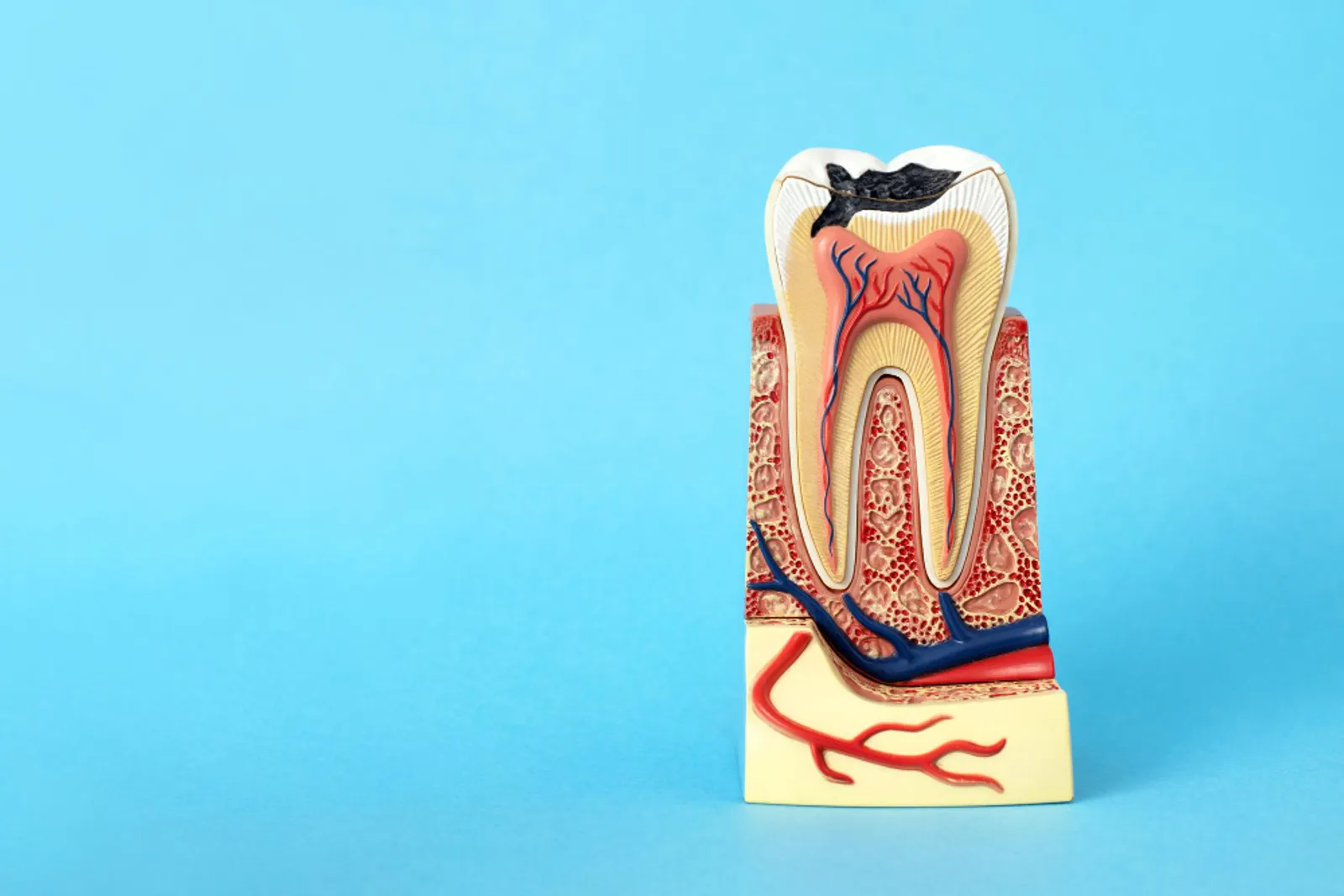
Root canal treatment, also called endodontic treatment, is a procedure that removes infected or inflamed tissue, called pulp, from inside a tooth. The inner canal is then cleaned, shaped, and sealed to prevent further infection, allowing the tooth to be kept in place rather than removed.
How Does Root Canal Treatment Restore the Tooth?
Once the pulp inside a tooth is infected or inflamed, the tooth can’t heal on its own and the infection will generally continue to spread if left untreated. By removing the affected tissue and sealing the space inside the tooth, root canal treatment stops the infection at its source and relieves the associated pain, while leaving the outer structure of the tooth intact, unlike extraction, which removes the tooth entirely.
What Dental Problems Can Root Canal Treatment Treat?
Root canal treatment addresses infection or inflammation of the tooth’s inner pulp, most commonly caused by deep decay that’s reached the nerve, a crack or fracture, trauma to the tooth, or repeated dental procedures on the same tooth over the years. It’s used specifically to save a tooth that would otherwise likely need to be extracted.
What Happens During Root Canal Treatment?
In practical terms, your dentist numbs the tooth, creates a small opening to reach the inner pulp chamber, and removes the infected or inflamed tissue using fine instruments. The empty canal is then cleaned and shaped, filled with a biocompatible material to seal it, and the access opening is closed, usually with a filling as an interim measure until a permanent restoration, often a crown, is placed.
Types of Root Canal Treatment
- Single-visit root canal. Straightforward cases, generally on teeth with a simpler root canal system, can sometimes be completed in one appointment.
- Multi-visit root canal. More complex cases, including teeth with significant infection or an unusual canal shape, may need two visits, with a medicated dressing placed between appointments to help clear the infection.
- Retreatment. If a previously treated tooth becomes reinfected or the original treatment didn’t fully resolve the issue, the root canal can sometimes be redone.
Which approach applies to your case depends on the tooth’s anatomy and the extent of infection, confirmed through examination and imaging.
Who Is a Suitable Candidate?
Most patients with an infected or inflamed tooth that’s otherwise structurally salvageable are candidates for root canal treatment. The tooth’s overall condition, including how much healthy structure remains and whether the root canal system is accessible, determines whether treatment is likely to succeed.
This section is general information. Individual candidacy can only be confirmed after a clinical examination, medical history review, and diagnostic imaging by a qualified dentist.
When May a Different Treatment Be Recommended?
If a tooth is too severely damaged, cracked below the gumline, or has a root canal system that’s unlikely to be treatable successfully, extraction may be recommended instead, often followed by a replacement option such as an implant or bridge. Your dentist will explain the reasoning if root canal treatment isn’t the most predictable option for your tooth.
Your Consultation and Dental Assessment
Share your symptoms and any existing X-rays through our contact form or WhatsApp, and our team will follow up with an initial assessment. A precise diagnosis and treatment plan are confirmed once your dentist has examined the tooth and reviewed imaging in person, since symptoms alone don’t always confirm which tooth or how many canals are involved.
What Diagnostic Tests Are Required?
An X-ray is the standard diagnostic tool, used to see the tooth’s root structure and check for signs of infection in the surrounding bone. Your dentist may also carry out simple tests, such as checking your tooth’s response to cold or gentle tapping, to help confirm the diagnosis.
Root Canal Treatment Procedure: Step by Step
- Assessment. Examination and X-ray to confirm the diagnosis and evaluate the tooth’s root canal system.
- Access and cleaning. The tooth is numbed, opened, and the infected or inflamed pulp is removed.
- Shaping and sealing. The canal is cleaned, shaped, and sealed with a biocompatible filling material.
- Restoration. A filling or crown is placed to restore and protect the tooth, depending on its condition.
Will You Need Local Anaesthesia?
Yes, root canal treatment is carried out under local anaesthesia so you shouldn’t feel pain during the procedure. If the tooth is very acutely infected, your dentist may need to allow the anaesthetic to work a little longer before starting, or, in some cases, prescribe antibiotics first to bring inflammation down.
Will the Natural Tooth Need Preparation?
The tooth needs a small access opening made through its biting surface to reach the inner pulp chamber; this is a necessary part of the procedure itself rather than separate preparation. Beyond that opening, the outer structure of the tooth is preserved as much as possible.
Will You Need a Temporary Restoration?
Often, yes. After the canal is sealed, the access opening is generally closed with a temporary or standard filling in the short term, with a permanent restoration, frequently a crown, planned for a follow-up visit once the tooth has settled.
Will You Need a Crown After Root Canal Treatment?
Many teeth, particularly molars and premolars used for chewing, are more prone to fracture after root canal treatment, since removing the pulp can leave the tooth more brittle over time, and a crown protects against this. Front teeth, which carry less bite force, sometimes only need a filling instead. Whether your tooth needs a crown depends on its condition and location, which your dentist will assess once treatment is complete.
How Long Does Root Canal Treatment Take?
A single appointment generally takes 60 to 90 minutes, depending on the tooth and the complexity of its root canal system. Molars, which typically have more canals than front teeth, tend to take longer than incisors.
How Many Appointments Are Required?
Many cases are completed in a single visit. More complex cases, or teeth with significant infection, may need a second appointment a few days later. If a crown is needed afterward, that’s typically a separate, later visit once the tooth has settled.
How Long Should You Stay in Istanbul?
If your root canal treatment is completed in a single visit and doesn’t need a follow-up crown straight away, a short trip can be sufficient. If a crown is planned immediately afterward, plan for at least 5 to 7 days to cover both the root canal treatment and the crown fitting.
Recovery and Tooth Sensitivity
Mild soreness or sensitivity around the treated tooth for a few days afterward is common and generally improves on its own or with over-the-counter pain relief. Some tenderness when biting down can also occur for a short period while the tooth settles.
Eating and Drinking After Treatment
Avoid chewing on the treated tooth until any numbness has fully worn off, to avoid accidentally biting your cheek or tongue. If the tooth has only a temporary filling, avoid very hard or sticky foods on that side until your permanent restoration is in place.
How to Care for Your Restoration
Brush and floss normally around a root canal-treated tooth, taking care with the area if it’s tender for the first few days. Keep any follow-up appointment for a permanent filling or crown, since leaving a treated tooth without proper long-term protection increases the risk of it fracturing later.
Benefits of Root Canal Treatment
Root canal treatment relieves the pain caused by an infected or inflamed tooth and, most importantly, saves your natural tooth rather than requiring extraction. Keeping your natural tooth preserves your normal bite and avoids the need for a replacement option such as an implant or bridge.
Risks, Limitations and Possible Complications
As with any dental procedure, risks include the infection not fully resolving, a very complex root canal system that’s difficult to treat completely, or, rarely, a small instrument fracturing inside the canal during treatment. In a small proportion of cases, retreatment or extraction is eventually needed if the original treatment doesn’t succeed.
How Long Does Root Canal Treatment Last?
A successful root canal treatment can last a lifetime, particularly once the tooth is properly protected with a permanent filling or crown. Success rates are generally high, though outcomes depend on the complexity of the tooth’s root canal system and how well it’s protected afterward.
What Can Damage or Shorten Its Lifespan?
Leaving a treated tooth without a permanent restoration for too long increases the risk of fracture or reinfection through the temporary filling. Grinding or clenching your teeth, and new decay developing around an old filling or crown, can also threaten a root canal-treated tooth’s long-term survival.
Can the Restoration Be Repaired or Replaced?
If a root canal-treated tooth becomes reinfected, retreatment is sometimes possible, reopening and recleaning the canal before resealing it. If retreatment isn’t likely to succeed, extraction followed by a replacement option is generally the next step.
Alternatives to Root Canal Treatment
- Root canal vs. extraction. Root canal treatment saves the natural tooth, generally preferable when it’s a realistic option; extraction removes the tooth and typically means considering a replacement afterward.
- No treatment. Leaving an infected tooth untreated risks the infection spreading, worsening pain, and eventual tooth loss, so it isn’t a safe long-term option once a tooth is symptomatic.
Root Canal Treatment vs. Tooth Extraction
Both address a severely infected or damaged tooth, but the outcome is very different. Root canal treatment removes the source of infection while preserving your natural tooth, which then functions much like it did before, especially once protected with a crown if needed. Extraction removes the tooth entirely and resolves the infection just as effectively, but leaves a gap that generally needs to be addressed with an implant, bridge, or denture if you want to restore full function and appearance. Where a tooth can realistically be saved, most dentists recommend root canal treatment as the more conservative option.
Materials Used for Root Canal Treatment
The canal is filled with a biocompatible material, most commonly a rubber-like substance called gutta-percha, combined with a sealer to close off the space completely and prevent bacteria from re-entering. The access opening is then closed with a standard filling material or, where recommended, a crown.
Choosing the Right Material
The filling material used inside the canal itself is fairly standardised across cases; the more significant choice is what protects the tooth afterward; a filling or a crown, which your dentist will recommend based on the tooth’s condition and how much bite force it needs to withstand.
Root Canal Treatment Cost at Dentavivo
At Dentavivo, root canal treatment starts from €75 per tooth. The exact price depends on the tooth being treated, since molars with more canals generally cost more than front teeth, and whether the procedure is completed in one visit or requires a second. Any crown recommended afterward is quoted separately.
We don’t publish a single fixed price for every case, since every tooth and situation is different. Share some details about your case through our contact form or WhatsApp, and our team will follow up with a clear, personalized quote.
What Is Included in the Price?
Your quote covers the consultation, the root canal procedure itself, and the interim filling that closes the access opening. A permanent crown, if your dentist recommends one, is quoted as a separate, additional treatment.
What Factors Affect the Final Cost?
Which tooth is being treated is the main factor, since molars have more canals and take longer than front teeth, along with whether the case needs one visit or two, and whether a crown is recommended afterward.
What Is Included for International Patients?
Once you share your case with us, our team reviews it and follows up with a personalised treatment plan and a free quote, confirmed only after your consultation and imaging, so there are no surprises once you arrive. We stay in touch by WhatsApp and email throughout, and can often see urgent, symptomatic cases quickly given the discomfort involved.
Before and After Root Canal Treatment
Since root canal treatment works inside the tooth rather than changing its outward appearance, its results are best understood through pain relief and the tooth being preserved, sometimes alongside a crown if one’s needed. You can see genuine, unedited restorative cases, including crowns placed after root canal treatment, in our Before & After gallery.
Real Restorative Dentistry Cases
Our Before & After gallery includes a wider range of restorative work beyond root canal treatment, including crowns, bridges, and fillings, so you can see the kind of results our team achieves across different types of restorative dentistry.
Meet the Dentist Behind Your Treatment
Restorative treatment at Dentavivo is medically reviewed by Dr. Mine Helvacıoğlu Özkardeş, a prosthodontist with 14+ years of experience in restorative and implant-supported dentistry. You can read her full background, education, and publications on her profile page.
Why Choose Dentavivo for Root Canal Treatment?
Dentavivo has been treating international patients in Istanbul for over a decade, and can often accommodate urgent, symptomatic cases quickly given the discomfort root canal problems typically involve. Every case is confirmed individually after a clinical examination, and you can see genuine, unedited results from real patients rather than stock photography.
Treatment Warranty and Conditions
The specific terms that apply to your root canal treatment, and to any restoration placed afterward, are confirmed in writing as part of your personalised treatment plan before you proceed. Your dentist will explain exactly what’s covered, and for how long, during your consultation.
Medical Review and References
This page was last reviewed on 4 August 2026 by Dr. Mine Helvacıoğlu Özkardeş. Where possible, it links to independent sources rather than asking you to take our word for it:
- American Association of Endodontists (AAE): the U.S. professional association for root canal specialists, publishing patient education and clinical guidance on endodontic treatment.
- American Dental Association (ADA): the U.S. professional association for dentists, publishing evidence-based clinical guidance and patient resources.
- National Institute of Dental and Craniofacial Research (NIDCR): part of the U.S. National Institutes of Health, publishing independent research and patient education on oral health.
Content on this page is general dental information reviewed by Dentavivo's dental team. It is not a substitute for individual medical advice. Treatment plans, suitability, and costs are confirmed only after a personal consultation and clinical examination.
Frequently Asked Questions
What is root canal treatment?
Root canal treatment, also called endodontic treatment, removes infected or inflamed pulp tissue from inside a tooth, then cleans, shapes, and seals the canal to stop the infection and relieve pain, while keeping your natural tooth in place.
How long does root canal treatment take?
A single appointment generally takes 60 to 90 minutes, depending on the tooth and how complex its root canal system is. Molars, which usually have more canals than front teeth, tend to take longer.
How much does root canal treatment cost?
At Dentavivo, root canal treatment starts from €75 per tooth, though the exact price depends on which tooth is being treated and whether it needs one visit or two. Any crown recommended afterward is quoted separately. Share your case with us for a free, personalised quote.
Is root canal treatment painful?
The procedure itself is carried out under local anaesthesia, so you shouldn't feel pain while it's being done, most patients describe it as no more uncomfortable than getting a filling. The pain that leads people to need a root canal in the first place, from the infected or inflamed pulp, is generally what treatment relieves rather than causes.
What are the symptoms that suggest I might need a root canal?
Common signs include lingering pain after hot or cold food or drink, pain when biting or chewing, a tooth that's darkened, or swelling and tenderness in the gum near a specific tooth. Some infected teeth cause no obvious symptoms at all and are only found on an X-ray, which is one reason regular check-ups matter.
Can a root canal be avoided?
Once the pulp inside a tooth is infected or inflamed, root canal treatment is generally the only way to save the tooth rather than lose it to extraction. The best way to avoid needing one in future is treating decay early and keeping up with regular check-ups, since a smaller cavity is far less likely to progress that far.
What can you eat after root canal treatment?
Once any numbness from the local anaesthesia has worn off, most patients can eat normally, though it's sensible to chew on the other side for a day or so if the tooth still feels tender. If the tooth only has a temporary filling, avoid very hard or sticky foods on that side until your permanent restoration is in place.
Does a tooth need a crown after root canal treatment?
Often, particularly for back teeth, since a tooth that's had root canal treatment can become more brittle and prone to fracture under normal biting forces. Whether your tooth needs one depends on its condition and location, as assessed by your dentist.
How long does root canal treatment last?
A successful root canal treatment can last a lifetime, particularly once the tooth is properly protected with a permanent filling or crown. Outcomes depend on the complexity of the tooth's root canal system and how well it's protected afterward.
Root canal vs. extraction: which is better?
Root canal treatment saves your natural tooth, which is generally preferable when it's a realistic option, since a natural tooth functions and feels different from any replacement. Extraction may be recommended instead if the tooth is too damaged or the root canal system is unusually complex to treat successfully. Your dentist can advise which applies to your case after examination.
Related Treatments
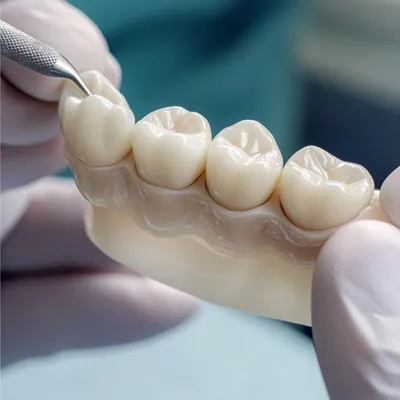
Dental Crowns
A custom-made cap that covers a damaged or weakened tooth to restore its strength, shape, and appearance.
Tooth Extraction
The removal of a tooth that cannot be saved or is causing clinical problems, sometimes followed by a tooth-replacement option.
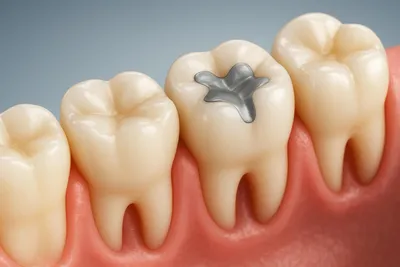
Tooth Filling
Restores a tooth damaged by decay or minor fracture, usually in a single visit.
This page provides general information and does not constitute individual medical advice. Treatment suitability, plans, and costs can only be confirmed after a personal consultation and clinical examination with a qualified dentist. Individual results vary.