'%3e%3cpath%20d='M923.21,488.13c-3.16-7.79-8-17.56-17.57-23.98-7.1-4.71-15.4-7.26-26.92-8.25h-.1c-10.32-.4-20.27,1.96-29.91,4.23-4.24,1-8.63,2.04-12.86,2.79-.6,.09-1.21,.19-1.82,.29-6.34,1.01-12.33,1.96-16.47-2.28-4.53-4.5-7.47-10.23-10.59-16.29-.45-.87-.9-1.74-1.35-2.61-.72-1.39-1.44-2.8-2.16-4.23-4.16-8.22-8.45-16.73-15.65-23.28-18.43-15.29-34.28-18.48-54.69-10.97-22.67,8.36-37.54,33.4-42.24,54.59-2.87,15.38-2.15,32.19,2.13,49.98l.45,1.85,7.53-1-.13-1.98c-.85-12.5-1.5-25.81,.63-39.05,.24-1.82,.61-3.79,.97-5.69,.12-.62,.23-1.23,.34-1.83,4.21-17.82,16.55-38.81,34.65-45.55,15.72-5.72,26.37-3.71,40.67,7.66,6.3,4.96,10.7,13.81,15.36,23.17,5.29,10.63,10.77,21.63,19.58,27.24,9.41,5.91,24.21,2.42,38.51-.96,10.72-2.53,21.81-5.15,29.92-3.62l.12,.02c12.7,1.61,20.97,6.61,26.03,15.76,2.9,5.15,4.68,9.37,5.58,13.21,2.52,12.29-.58,26.58-9.2,42.48-4.39,8.11-10.97,15.51-20.12,22.64-4.9,3.85-10.66,7.32-16.23,10.67-3.81,2.29-7.75,4.66-11.4,7.15-20.44,14.22-31.7,35.12-40.01,53.69l3.67,2.08c1.54-2.21,3.06-4.45,4.58-6.68,4.48-6.59,9.11-13.41,14.4-19.52,8.3-9.69,17.35-17.36,26.89-22.78,1.41-.81,4.32-2.51,6.88-4.01,1.58-.92,3.03-1.77,3.91-2.29,14.97-8.65,25.81-17.81,33.19-28.03,6.62-9.57,11.72-20.52,14.35-30.83,3.21-12.58,2.9-23.94-.94-33.77Z'/%3e%3cpath%20d='M214.5,531.7c6.65,3.39,11.75,8.22,15.29,14.51,3.54,6.29,5.32,13.7,5.32,22.22s-1.77,15.91-5.32,22.16c-3.54,6.25-8.64,11.03-15.29,14.33-6.65,3.31-14.51,4.96-23.59,4.96h-25.92v-83.27h25.92c9.08,0,16.94,1.69,23.59,5.08Zm1.02,60.69c5.65-5.69,8.48-13.68,8.48-23.95s-2.85-18.44-8.54-24.25c-5.7-5.81-13.88-8.72-24.55-8.72h-15.05v65.46h15.05c10.75,0,18.95-2.85,24.61-8.54Z'/%3e%3cpath%20d='M260.31,535.46v27.83h30.34v8.96h-30.34v28.67h33.93v8.96h-44.8v-83.38h44.8v8.96h-33.93Z'/%3e%3cpath%20d='M376.19,609.89h-10.87l-43.72-66.3v66.3h-10.87v-83.38h10.87l43.72,66.18v-66.18h10.87v83.38Z'/%3e%3cpath%20d='M445.96,526.62v8.84h-22.7v74.42h-10.87v-74.42h-22.82v-8.84h56.39Z'/%3e%3cpath%20d='M508.55,591.37h-36.32l-6.69,18.52h-11.47l30.1-82.79h12.54l29.98,82.79h-11.47l-6.69-18.52Zm-3.11-8.84l-15.05-42.05-15.05,42.05h30.1Z'/%3e%3cpath%20d='M608.66,526.62l-31.42,83.27h-12.54l-31.42-83.27h11.59l26.16,71.8,26.16-71.8h11.47Z'/%3e%3cpath%20d='M631.48,526.62v83.27h-10.87v-83.27h10.87Z'/%3e%3cpath%20d='M718.8,526.62l-31.42,83.27h-12.54l-31.42-83.27h11.59l26.16,71.8,26.16-71.8h11.47Z'/%3e%3cpath%20d='M747.35,605.29c-6.37-3.62-11.41-8.68-15.11-15.17-3.7-6.49-5.55-13.8-5.55-21.92s1.85-15.43,5.55-21.92c3.7-6.49,8.74-11.55,15.11-15.17,6.37-3.62,13.42-5.44,21.15-5.44s14.89,1.81,21.26,5.44c6.37,3.62,11.39,8.66,15.05,15.11,3.66,6.45,5.5,13.78,5.5,21.98s-1.83,15.53-5.5,21.98c-3.66,6.45-8.68,11.49-15.05,15.11-6.37,3.62-13.46,5.44-21.26,5.44s-14.77-1.81-21.15-5.44Zm36.85-8.06c4.66-2.71,8.32-6.57,10.99-11.59,2.67-5.02,4-10.83,4-17.44s-1.33-12.52-4-17.5c-2.67-4.98-6.31-8.82-10.93-11.53-4.62-2.71-9.88-4.06-15.77-4.06s-11.15,1.35-15.77,4.06c-4.62,2.71-8.26,6.55-10.93,11.53-2.67,4.98-4,10.81-4,17.5s1.33,12.42,4,17.44c2.67,5.02,6.33,8.88,10.99,11.59,4.66,2.71,9.89,4.06,15.71,4.06s11.05-1.35,15.71-4.06Z'/%3e%3c/g%3e%3c/svg%3e)

Written by Sedef Özdemir · Content Specialist

Medically reviewed by Dr. Mine Helvacıoğlu Özkardeş, Prosthodontist
14+ years of experience in smile design, veneers, and implant-supported restorations.
Last reviewed: 3 August 2026
What Is a Sinus Lift?
A sinus lift, also called sinus augmentation, is a surgical procedure that adds bone to the upper jaw in the area of the premolar and molar teeth, where the sinus cavity can limit the bone available for implant placement. The sinus membrane is gently lifted and bone graft material is placed beneath it to increase bone height in this specific region.
What Can a Sinus Lift Treat?
A sinus lift specifically addresses insufficient bone height in the upper back jaw, most often caused by the natural position of the sinus cavity, bone loss following tooth extraction, or long-term denture wear. It doesn’t treat the sinuses themselves in a medical sense; it creates the bone volume needed to place a dental implant safely and securely in that area.
Types of Bone Augmentation for This Area
- Lateral window sinus lift. A small opening is made in the side of the jawbone to access and lift the sinus membrane; typically used when a larger amount of bone height is needed.
- Osteotome (crestal) sinus lift. A less invasive technique accessed from the top of the jaw, often used when a smaller height increase is needed, sometimes combined with implant placement in the same visit.
- Sinus lift combined with a general bone graft. In some cases, a broader bone graft is planned alongside the sinus lift depending on overall bone condition.
Which technique fits your case depends on your existing bone height and is confirmed after imaging.
Who Is a Suitable Candidate?
A sinus lift is generally considered for patients planning dental implants in the upper back jaw whose imaging shows insufficient bone height in that specific area. It’s not needed for every implant case, only where a CT scan confirms the sinus cavity is limiting the available bone. General health factors that affect healing are also taken into account.
This section is general information. Individual candidacy can only be confirmed after a clinical examination, medical history review, and diagnostic imaging by a qualified dentist.
Consultation and Treatment Planning
Whether you need a sinus lift is determined by imaging, typically a CT scan, reviewed alongside your dental and medical history. Share your case, including any existing X-rays, through our contact form or WhatsApp, and our team will follow up with a personalised plan. If a sinus lift is recommended, your dentist will explain how it fits into your overall implant timeline before you travel.
Sinus Lift Procedure: Step by Step
- Assessment. Imaging, usually a CT scan, is used to evaluate bone height and sinus anatomy.
- Access. Depending on the technique used, a small opening is made either at the side or top of the jawbone.
- Lifting and grafting. The sinus membrane is gently lifted and bone graft material is placed beneath it to build up the site.
- Healing. A healing period is generally required before implants can be placed, unless combined in the same procedure where clinically appropriate.
Exact technique, timeline, and whether an implant can be placed at the same time depend on individual anatomy and are confirmed by your dentist after examination.
Treatment Timeline and Visits
A sinus lift is usually completed in a single visit to Istanbul, lasting around 1 to 2 hours. What follows depends on your case: some patients can have an implant placed in the same appointment, while others need a healing period of roughly 4 to 6 months before the site is ready for an implant, which means a separate return visit. Your dentist will confirm which applies to you after reviewing your imaging.
Recovery and Aftercare
Recovery from a sinus lift is generally similar to other minor oral surgery:
- Some swelling, mild discomfort, or a stuffy-nose sensation in the days afterward is normal.
- Avoid blowing your nose forcefully or sneezing with your mouth closed for the period your dentist advises, since sudden pressure changes can disturb healing.
- Avoid smoking, which can slow healing and increase the risk of complications.
- Stick to soft foods and avoid the surgical area while chewing for the first few days.
- Take any prescribed medication, including antibiotics if given, exactly as directed.
Our full pre-op and aftercare guide covers general preparation and recovery in more detail.
Benefits
A sinus lift makes implant treatment possible for patients whose upper back jaw wouldn’t otherwise have enough bone height to support one safely. Rather than ruling out implants entirely or limiting options to removable dentures, it creates a stable foundation so a fixed, implant-supported restoration can still be an option.
Risks and Limitations
As with any bone augmentation procedure, risks include infection, the sinus membrane being perforated during the lift (which your surgeon manages if it occurs), or the graft not integrating as expected. These are recognised, manageable risks of an established procedure rather than common outcomes. Your suitability and the expected healing time are assessed individually through imaging.
Alternatives and Comparisons
- Sinus lift vs. shorter implants. In some cases, shorter implants designed for limited bone height may avoid the need for a sinus lift altogether; whether this suits your case depends on your specific anatomy and treatment goals.
- Sinus lift vs. no treatment. Without adequate bone height, an implant in the upper back jaw may not integrate securely, so a sinus lift is generally the more predictable route to a stable, long-term result rather than a substitute.
- Sinus lift vs. general bone graft. A sinus lift is a specific technique for the sinus area; a broader bone graft addresses bone loss elsewhere in the jaw.
Your dentist can help you weigh up which approach fits your case after reviewing your imaging.
Materials, Brands and Technology
Bone graft material used in a sinus lift can come from a few different sources depending on the case and your dentist’s recommendation, including synthetic bone substitutes and other graft materials chosen for their ability to integrate with your natural bone. Your dentist can discuss which material is planned for your case and why during your consultation.
Sinus Lift Cost at Dentavivo
At Dentavivo, a sinus lift starts from €250. The final price depends on the technique used, how much graft material is needed, and whether it’s combined with implant placement in the same visit. Since a sinus lift is usually one part of a broader implant treatment plan, your quote will typically cover it alongside the related procedures.
We don’t publish a single fixed price for every case, since every patient’s treatment plan is different. Share some details about your case through our contact form or WhatsApp, and our team will follow up with a clear, personalized quote.
What Is Included for International Patients?
Once you share your case and imaging with us, our team reviews it and follows up with a personalised treatment plan and a free quote, confirmed only after your consultation, so there are no surprises once you arrive. We stay in touch by WhatsApp and email throughout, and help you plan your visit dates around whether your case needs one trip or a return visit after healing.
Before and After Results
Since a sinus lift is a preparatory procedure rather than a visible cosmetic change on its own, its results are best seen through the implant treatment it makes possible. You can see genuine, unedited implant results from Dentavivo patients in our Before & After gallery.
Meet the Treatment Team
Implant and bone augmentation treatment at Dentavivo is medically reviewed by Dr. Mine Helvacıoğlu Özkardeş, a prosthodontist with 14+ years of experience in implant-supported restorations, smile design, and veneers, and a member of the International Team for Implantology (ITI). You can read her full background, education, and publications on her profile page.
Medical Review and References
This page was last reviewed on 3 August 2026 by Dr. Mine Helvacıoğlu Özkardeş. Where possible, it links to independent sources rather than asking you to take our word for it:
- International Team for Implantology (ITI): a global academic organisation dedicated to implant dentistry education and research. Dr. Helvacıoğlu Özkardeş is a member.
- American Dental Association (ADA): the U.S. professional association for dentists, publishing evidence-based clinical guidance and patient resources.
- National Institute of Dental and Craniofacial Research (NIDCR): part of the U.S. National Institutes of Health, publishing independent research and patient education on oral health.
Content on this page is general dental information reviewed by Dentavivo's dental team. It is not a substitute for individual medical advice. Treatment plans, suitability, and costs are confirmed only after a personal consultation and clinical examination.
Frequently Asked Questions
Why is a sinus lift sometimes needed?
In the upper back jaw, bone volume can be limited due to the position of the sinus cavity or previous tooth loss. A sinus lift adds bone in this area so that implants have adequate support.
Does everyone getting upper implants need a sinus lift?
No. It is only needed when imaging shows insufficient bone height in the relevant area. This is assessed on a case-by-case basis.
Is a sinus lift painful?
The procedure itself is carried out under local anaesthesia or sedation, so you shouldn't feel pain during it. Afterward, some swelling, mild discomfort, or a stuffy-nose sensation is normal for a few days and is usually manageable with over-the-counter pain relief.
What's the difference between a sinus lift and a bone graft?
A sinus lift is a specific type of bone augmentation used in the upper back jaw, where the sinus cavity limits available bone. A bone graft is the broader term for adding bone anywhere it's needed. See our bone graft page for more general detail.
What is a sinus lift?
A sinus lift is a bone augmentation procedure carried out in the upper back jaw, where the sinus membrane is gently raised and bone graft material is placed underneath it. This creates more bone volume in an area that often doesn't have enough natural height to support a dental implant.
How much does a sinus lift cost at Dentavivo?
At Dentavivo, a sinus lift starts from €250. The final price depends on the extent of the procedure and whether it's combined with implant placement. Share your case with us for a free, personalized quote.
What are the risks of a sinus lift?
As with any surgical procedure, possible complications include infection, sinus membrane perforation, or graft failure, though these are uncommon when the procedure is carried out by an experienced dentist. Your dentist will discuss the specific risks for your case during your consultation.
How long does the sinus lift procedure take?
The procedure itself usually takes around 30 to 90 minutes, depending on whether it's combined with implant placement at the same time. Your dentist will give you a more specific estimate based on your treatment plan.
How long do I need to wait after a sinus lift before getting implants?
This depends on your individual healing and the amount of bone added, but it's typically several months before the grafted area is ready to support an implant. In some cases, if there's enough existing bone, implants can be placed at the same time as the sinus lift. Your dentist will confirm the right timeline after reviewing your imaging.
Will a sinus lift change my facial appearance?
No, a sinus lift is an internal procedure that doesn't change the shape or appearance of your face. Some temporary swelling around the cheeks and under the eyes is normal for a few days afterward, but this settles as you heal.
Related Treatments
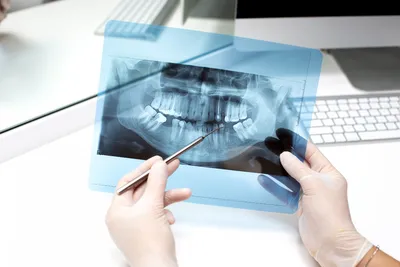
Dental Implants
A permanent, natural-looking solution for missing teeth.
Bone Graft
Rebuilds bone volume in the jaw, often needed before implants can be placed.
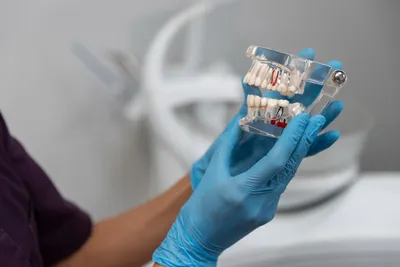
All-on-4 Full-Arch Treatment
A full arch of new teeth, supported by just four implants.
All-on-6 Full-Arch Treatment
A full arch of new teeth, supported by six implants for extra stability.
This page provides general information and does not constitute individual medical advice. Treatment suitability, plans, and costs can only be confirmed after a personal consultation and clinical examination with a qualified dentist. Individual results vary.