'%3e%3cpath%20d='M923.21,488.13c-3.16-7.79-8-17.56-17.57-23.98-7.1-4.71-15.4-7.26-26.92-8.25h-.1c-10.32-.4-20.27,1.96-29.91,4.23-4.24,1-8.63,2.04-12.86,2.79-.6,.09-1.21,.19-1.82,.29-6.34,1.01-12.33,1.96-16.47-2.28-4.53-4.5-7.47-10.23-10.59-16.29-.45-.87-.9-1.74-1.35-2.61-.72-1.39-1.44-2.8-2.16-4.23-4.16-8.22-8.45-16.73-15.65-23.28-18.43-15.29-34.28-18.48-54.69-10.97-22.67,8.36-37.54,33.4-42.24,54.59-2.87,15.38-2.15,32.19,2.13,49.98l.45,1.85,7.53-1-.13-1.98c-.85-12.5-1.5-25.81,.63-39.05,.24-1.82,.61-3.79,.97-5.69,.12-.62,.23-1.23,.34-1.83,4.21-17.82,16.55-38.81,34.65-45.55,15.72-5.72,26.37-3.71,40.67,7.66,6.3,4.96,10.7,13.81,15.36,23.17,5.29,10.63,10.77,21.63,19.58,27.24,9.41,5.91,24.21,2.42,38.51-.96,10.72-2.53,21.81-5.15,29.92-3.62l.12,.02c12.7,1.61,20.97,6.61,26.03,15.76,2.9,5.15,4.68,9.37,5.58,13.21,2.52,12.29-.58,26.58-9.2,42.48-4.39,8.11-10.97,15.51-20.12,22.64-4.9,3.85-10.66,7.32-16.23,10.67-3.81,2.29-7.75,4.66-11.4,7.15-20.44,14.22-31.7,35.12-40.01,53.69l3.67,2.08c1.54-2.21,3.06-4.45,4.58-6.68,4.48-6.59,9.11-13.41,14.4-19.52,8.3-9.69,17.35-17.36,26.89-22.78,1.41-.81,4.32-2.51,6.88-4.01,1.58-.92,3.03-1.77,3.91-2.29,14.97-8.65,25.81-17.81,33.19-28.03,6.62-9.57,11.72-20.52,14.35-30.83,3.21-12.58,2.9-23.94-.94-33.77Z'/%3e%3cpath%20d='M214.5,531.7c6.65,3.39,11.75,8.22,15.29,14.51,3.54,6.29,5.32,13.7,5.32,22.22s-1.77,15.91-5.32,22.16c-3.54,6.25-8.64,11.03-15.29,14.33-6.65,3.31-14.51,4.96-23.59,4.96h-25.92v-83.27h25.92c9.08,0,16.94,1.69,23.59,5.08Zm1.02,60.69c5.65-5.69,8.48-13.68,8.48-23.95s-2.85-18.44-8.54-24.25c-5.7-5.81-13.88-8.72-24.55-8.72h-15.05v65.46h15.05c10.75,0,18.95-2.85,24.61-8.54Z'/%3e%3cpath%20d='M260.31,535.46v27.83h30.34v8.96h-30.34v28.67h33.93v8.96h-44.8v-83.38h44.8v8.96h-33.93Z'/%3e%3cpath%20d='M376.19,609.89h-10.87l-43.72-66.3v66.3h-10.87v-83.38h10.87l43.72,66.18v-66.18h10.87v83.38Z'/%3e%3cpath%20d='M445.96,526.62v8.84h-22.7v74.42h-10.87v-74.42h-22.82v-8.84h56.39Z'/%3e%3cpath%20d='M508.55,591.37h-36.32l-6.69,18.52h-11.47l30.1-82.79h12.54l29.98,82.79h-11.47l-6.69-18.52Zm-3.11-8.84l-15.05-42.05-15.05,42.05h30.1Z'/%3e%3cpath%20d='M608.66,526.62l-31.42,83.27h-12.54l-31.42-83.27h11.59l26.16,71.8,26.16-71.8h11.47Z'/%3e%3cpath%20d='M631.48,526.62v83.27h-10.87v-83.27h10.87Z'/%3e%3cpath%20d='M718.8,526.62l-31.42,83.27h-12.54l-31.42-83.27h11.59l26.16,71.8,26.16-71.8h11.47Z'/%3e%3cpath%20d='M747.35,605.29c-6.37-3.62-11.41-8.68-15.11-15.17-3.7-6.49-5.55-13.8-5.55-21.92s1.85-15.43,5.55-21.92c3.7-6.49,8.74-11.55,15.11-15.17,6.37-3.62,13.42-5.44,21.15-5.44s14.89,1.81,21.26,5.44c6.37,3.62,11.39,8.66,15.05,15.11,3.66,6.45,5.5,13.78,5.5,21.98s-1.83,15.53-5.5,21.98c-3.66,6.45-8.68,11.49-15.05,15.11-6.37,3.62-13.46,5.44-21.26,5.44s-14.77-1.81-21.15-5.44Zm36.85-8.06c4.66-2.71,8.32-6.57,10.99-11.59,2.67-5.02,4-10.83,4-17.44s-1.33-12.52-4-17.5c-2.67-4.98-6.31-8.82-10.93-11.53-4.62-2.71-9.88-4.06-15.77-4.06s-11.15,1.35-15.77,4.06c-4.62,2.71-8.26,6.55-10.93,11.53-2.67,4.98-4,10.81-4,17.5s1.33,12.42,4,17.44c2.67,5.02,6.33,8.88,10.99,11.59,4.66,2.71,9.89,4.06,15.71,4.06s11.05-1.35,15.71-4.06Z'/%3e%3c/g%3e%3c/svg%3e)

Written by Sedef Özdemir · Content Specialist

Medically reviewed by Dr. Mine Helvacıoğlu Özkardeş, Prosthodontist
14+ years of experience in smile design, veneers, and implant-supported restorations.
Last reviewed: 4 August 2026
What Is Teeth Cleaning?
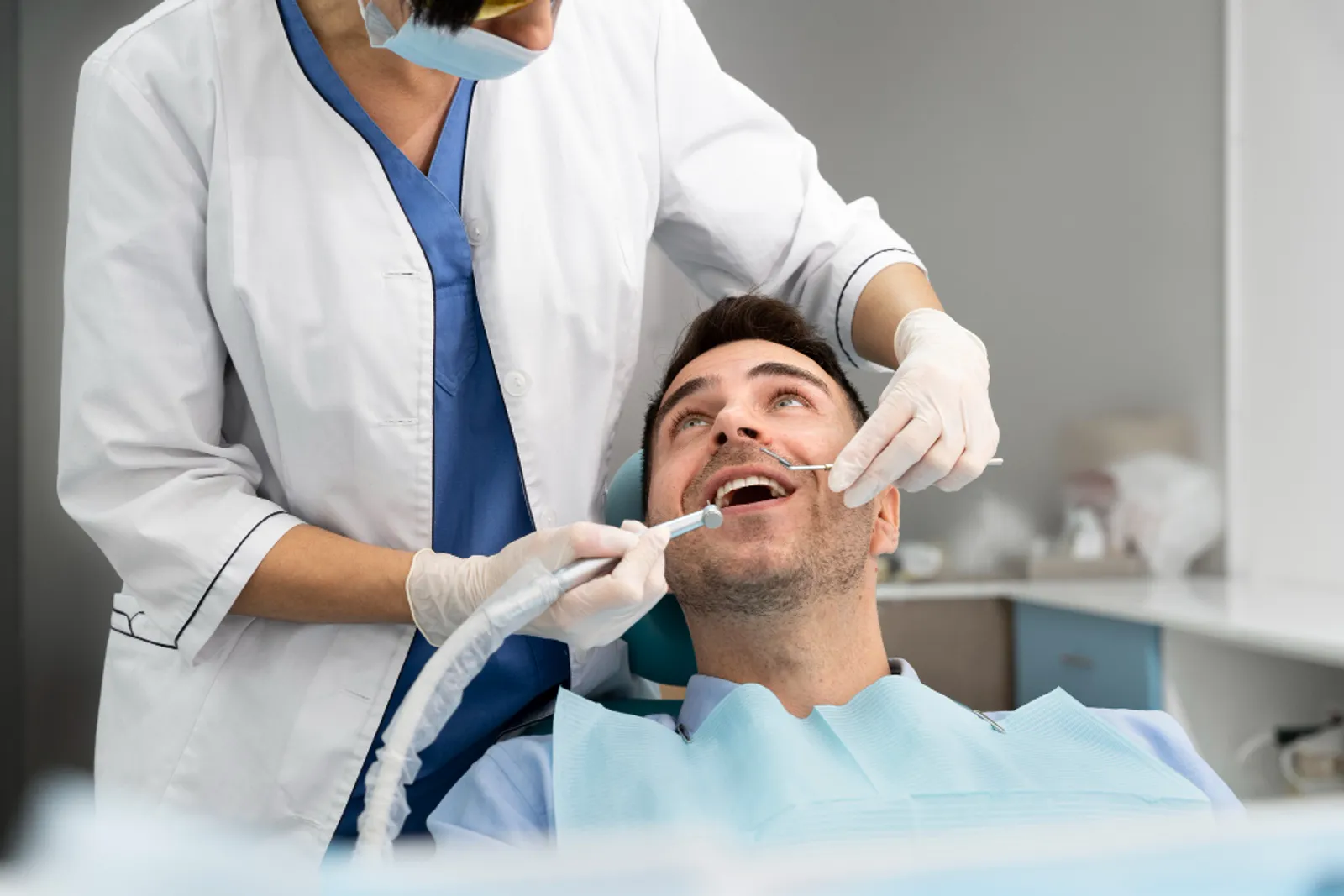
Professional teeth cleaning is a routine dental procedure that removes plaque and tartar buildup from your teeth, including along and just below the gumline, using specialised instruments. It’s typically followed by polishing to smooth the tooth surface and reduce surface staining, leaving your teeth feeling noticeably cleaner than brushing alone achieves.
Why Is Teeth Cleaning Important?
Plaque that isn’t removed hardens into tartar within a matter of days, and tartar can’t be removed by brushing or flossing at home, only by professional cleaning. Left in place, it contributes to gum inflammation, bad breath, and decay over time, so regular cleanings are one of the simplest ways to protect both your teeth and gums.
Dental Check-Ups and Preventive Care
A cleaning appointment is also a natural opportunity for your dentist to check for early signs of decay, gum disease, or other issues, often catching small problems while they’re still simple and inexpensive to treat, rather than after they’ve progressed.
What Dental Problems Can It Help Prevent or Manage?
Regular cleaning helps prevent gum disease (gingivitis and, if untreated, periodontitis), reduces the risk of cavities forming near tartar buildup, and addresses surface staining from food, drink, and smoking. It’s a preventive measure rather than a treatment for existing damage, which is why catching problems early through regular visits matters.
Managing Plaque and Tartar
Plaque is a soft, sticky film of bacteria that forms on your teeth constantly, brushing and flossing remove most of it day to day. Any plaque left behind, especially in hard-to-reach spots, hardens into tartar, a process that can begin within about 24 to 72 hours. Once tartar has formed, only professional instruments can remove it, which is the main reason cleanings can’t be fully replaced by brushing alone, however thorough.
Who May Need Teeth Cleaning?
Nearly everyone benefits from regular professional cleaning, even patients with good home oral hygiene, since tartar forms in places a toothbrush can’t fully reach regardless of technique. Patients who smoke, have a history of gum disease, or are prone to faster tartar buildup may be advised to have cleanings more frequently.
How Often May the Treatment Be Recommended?
Every six months is a common general guideline for patients with healthy gums and good oral hygiene. Patients with a history of gum disease, faster tartar buildup, or certain health conditions may be advised to come in more often, sometimes every three to four months.
Post-Treatment Maintenance Appointments
If you’ve had other dental work, implants, veneers, crowns, or gum treatment, regular maintenance cleanings help protect that investment by keeping the surrounding teeth and gums healthy. Your dentist can suggest a maintenance schedule suited to what treatment you’ve had.
What Happens During the Appointment?
- Assessment. A quick check of your teeth and gums before cleaning begins.
- Scaling. Plaque and tartar are removed from the tooth surfaces and along the gumline using hand instruments or an ultrasonic scaler.
- Polishing. Teeth are polished to a smooth finish and surface stains are reduced.
Many patients have a cleaning done as part of their first visit, alongside a broader dental assessment.
Scaling and Polishing
Scaling is the step that removes hardened tartar, using either fine hand instruments or an ultrasonic scaler that vibrates tartar loose with water. Polishing follows, using a gritty paste and a spinning tool to smooth the tooth surface and lift surface staining, leaving teeth feeling noticeably smoother than after scaling alone.
Dental X-Rays and Diagnostic Imaging
Depending on when you last had one, your dentist may take an X-ray as part of your appointment to check for decay or bone changes that aren’t visible during a routine visual exam. This is a normal part of preventive care rather than something extra bolted onto a cleaning.
Does Teeth Cleaning Hurt?
Most patients find cleaning comfortable rather than painful. Some mild sensitivity is possible, particularly if there’s significant tartar buildup, existing gum inflammation, or you’re having a deep clean, but this is generally brief and manageable.
How Long Does the Appointment Take?
A standard cleaning generally takes 30 to 45 minutes. A deep cleaning, or a cleaning combined with a fuller check-up, can take longer, sometimes split across more than one visit if extensive.
Is Anaesthesia Required?
No, anaesthesia isn’t needed for a standard cleaning. For a deep cleaning (scaling and root planing) that goes further below the gumline, local anaesthesia is sometimes used to keep you comfortable, particularly if there’s notable gum sensitivity.
What to Expect After Treatment
Your teeth may feel unusually smooth and “squeaky clean” immediately afterward, this is completely normal and simply means the tartar and plaque coating has been removed. Mild gum sensitivity for a day or so is also normal, particularly if it had been a while since your last cleaning.
Eating and Drinking After Treatment
You can generally eat and drink as soon as you leave your appointment. If you’ve had a deep clean or your gums feel more sensitive than usual, sticking to softer foods and avoiding very hot, cold, or acidic items for the rest of the day can be more comfortable.
Benefits of Teeth Cleaning
Regular cleaning helps prevent gum disease and cavities, freshens breath, and removes surface staining a toothbrush can’t fully address. It also gives your dentist a regular opportunity to catch small issues early, before they turn into more involved, more expensive treatment.
Risks and Possible Side Effects
Cleaning is a low-risk, routine procedure. Temporary gum sensitivity or minor bleeding during scaling, particularly if there’s existing gum inflammation, is the most common side effect, and it generally settles quickly as your gum health improves with regular care.
How Does It Support Other Dental Treatments?
A clean, healthy mouth is a better foundation for almost any other dental treatment, plaque and tartar can interfere with how well materials bond, complicate healing, and make it harder for your dentist to get an accurate view of your teeth and gums when planning treatment.
Teeth Cleaning Before Veneers or Crowns
Starting with clean teeth and healthy gums helps ensure an accurate shade match and a precise fit for veneers or crowns, and reduces the risk of hidden decay or gum issues being discovered partway through a cosmetic plan.
Teeth Cleaning Before Dental Implant Surgery
Healthy gums are particularly important before implant surgery, since gum disease is a risk factor for implant complications. A cleaning, and treatment of any active gum disease, is generally recommended before implant treatment proceeds.
Gum Health Before Cosmetic Treatment
Healthy gums also affect how a cosmetic result looks, inflamed or uneven gum tissue can throw off the proportions of an otherwise well-planned smile. This is one reason a cleaning, and sometimes gum contouring, is planned before treatments like veneers or a Hollywood Smile.
When Should It Be Completed Before Another Treatment?
Ideally, a cleaning (and treatment of any gum disease found) is completed before cosmetic or implant treatment begins, generally at the initial consultation stage, so your teeth and gums are in the best possible condition before further work starts.
At-Home Care After Teeth Cleaning
Keep up with brushing twice a day and flossing daily, since a professional cleaning removes existing buildup but doesn’t prevent new plaque from forming. Using fluoride toothpaste as part of your normal routine helps strengthen enamel between visits.
Fluoride Treatment
Fluoride helps strengthen tooth enamel and makes it more resistant to decay, and beyond fluoride toothpaste used at home, some patients, particularly those more prone to cavities, may benefit from a professionally applied fluoride treatment at a dental visit. Whether this is worth adding to your routine is something your dentist can advise on based on your individual decay risk.
Night Guards for Bruxism
If you grind or clench your teeth, particularly at night, your dentist may raise this during a cleaning or check-up, since bruxism can accelerate wear on both natural teeth and any restorations you have. A nightguard is a commonly recommended way to protect your teeth if this applies to you, something your dentist can discuss further at consultation.
Professional Treatment vs. At-Home Care
Professional Teeth Cleaning vs. Routine Brushing
Brushing and flossing at home remove most day-to-day plaque and are essential for keeping your mouth healthy between visits, but they can’t remove tartar once it has hardened, particularly along and below the gumline. Professional cleaning handles what home care physically can’t reach, which is why the two work together rather than one replacing the other.
How Much Does Teeth Cleaning Cost at Dentavivo?
At Dentavivo, a cleaning starts from €50. The exact price can depend on how much plaque and tartar buildup is present and whether a deep cleaning is needed rather than a standard one.
We don’t publish a single fixed price for every case, since every patient’s starting point is different. Share some details about your case through our contact form or WhatsApp, and our team will follow up with a clear, personalized quote.
What Is Included in the Price?
Your quote covers the assessment, scaling, and polishing carried out during your appointment. If a deep cleaning or additional treatment, such as addressing active gum disease, is needed, that’s discussed and quoted separately.
Before and After Teeth Cleaning
The most immediate, visible difference after a cleaning is smoother, brighter-looking teeth with reduced surface staining, along with the less visible but more important benefit of tartar removed from along the gumline. You can see genuine, unedited patient results, including full smile makeovers that started with a cleaning, in our Before & After gallery.
Meet the Dentist or Dental Hygiene Team
Preventive care at Dentavivo is medically reviewed by Dr. Mine Helvacıoğlu Özkardeş, a prosthodontist with 14+ years of experience across restorative and preventive dentistry. You can read her full background, education, and publications on her profile page.
Why Choose Dentavivo for Teeth Cleaning?
Dentavivo has been treating international patients in Istanbul for over a decade, and a cleaning is often combined with your initial consultation, making it an easy, practical first step whether or not you’re also planning further treatment. You can see genuine, unedited results from real patients rather than stock photography.
Medical Review and References
This page was last reviewed on 4 August 2026 by Dr. Mine Helvacıoğlu Özkardeş. Where possible, it links to independent sources rather than asking you to take our word for it:
- American Dental Association (ADA): the U.S. professional association for dentists, publishing evidence-based clinical guidance and patient resources.
- National Institute of Dental and Craniofacial Research (NIDCR): part of the U.S. National Institutes of Health, publishing independent research and patient education on oral health.
Content on this page is general dental information reviewed by Dentavivo's dental team. It is not a substitute for individual medical advice. Treatment plans, suitability, and costs are confirmed only after a personal consultation and clinical examination.
Frequently Asked Questions
What is a dental cleaning?
A professional dental cleaning removes plaque and tartar that have built up on your teeth, including along the gumline, using specialised instruments, and is typically followed by polishing to smooth the tooth surface and reduce surface staining.
How much does teeth cleaning cost?
At Dentavivo, a cleaning starts from €50, though the exact price can depend on how much plaque and tartar buildup is present. Share your details with us for a free, personalised quote.
How long does a teeth cleaning take?
A standard cleaning generally takes 30 to 45 minutes. If there's significant tartar buildup or it's your first cleaning in a while, it may take a little longer.
How is a professional cleaning different from brushing at home?
Professional cleaning uses specialised instruments to remove hardened tartar and plaque from areas that a toothbrush and floss can't fully reach, particularly along and just below the gumline. It's a helpful complement to daily brushing and flossing, not a replacement for it.
What's the difference between a regular cleaning and a deep cleaning?
A regular cleaning addresses plaque and tartar above and just at the gumline for patients with generally healthy gums. A deep cleaning (scaling and root planing) goes further below the gumline and is generally recommended when gum disease has caused the gums to pull away from the teeth, creating deeper pockets where bacteria collect.
Does a cleaning hurt?
Most patients find cleanings comfortable, though some sensitivity is possible if there's a build-up of tartar or existing gum inflammation. Let your dentist know if you have particularly sensitive teeth or gums beforehand.
Is a deep cleaning ever really necessary?
Yes, when gum disease has progressed enough that pockets have formed below the gumline, a deep clean addresses bacteria and tartar that a standard cleaning can't reach in that area. Your dentist can tell you whether your gums show signs that point to needing one.
How long after teeth cleaning can I eat?
You can generally eat as soon as you leave your appointment. If you've had a deep clean or your gums are more sensitive than usual, sticking to softer foods for the rest of the day can be more comfortable.
How often should I get a professional cleaning?
Every six months is a common general guideline, though your dentist may recommend more or less often depending on your gum health, how quickly you build up tartar, and your oral hygiene habits at home.
Do I need a cleaning before getting veneers, crowns, or implants?
Yes, generally. Starting other treatment on a clean, healthy mouth reduces the risk of complications and gives your dentist an accurate view of your teeth and gums before planning further work. A cleaning is often combined with your initial consultation for exactly this reason.
Related Treatments
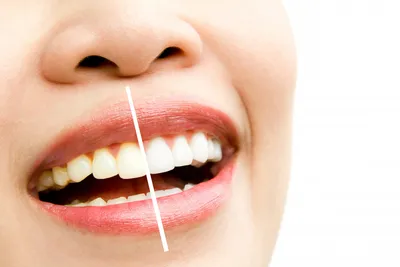
Teeth Whitening
A cosmetic treatment that uses bleaching agents to reduce staining and discolouration and lighten the natural tooth colour.
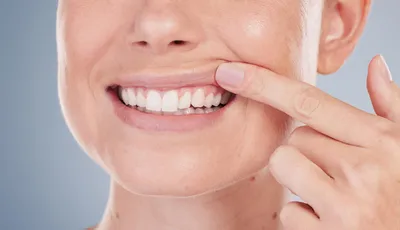
Gum Contouring
A procedure that reshapes the gum line to address an uneven, excessive, or receded gum appearance.
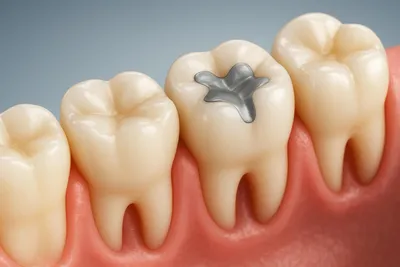
Tooth Filling
Restores a tooth damaged by decay or minor fracture, usually in a single visit.
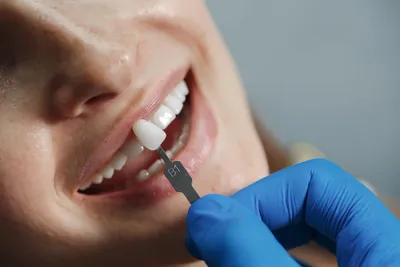
Dental Veneers
Thin, custom-made shells bonded to the front of your teeth to reshape and brighten your smile.
This page provides general information and does not constitute individual medical advice. Treatment suitability, plans, and costs can only be confirmed after a personal consultation and clinical examination with a qualified dentist. Individual results vary.