'%3e%3cpath%20d='M923.21,488.13c-3.16-7.79-8-17.56-17.57-23.98-7.1-4.71-15.4-7.26-26.92-8.25h-.1c-10.32-.4-20.27,1.96-29.91,4.23-4.24,1-8.63,2.04-12.86,2.79-.6,.09-1.21,.19-1.82,.29-6.34,1.01-12.33,1.96-16.47-2.28-4.53-4.5-7.47-10.23-10.59-16.29-.45-.87-.9-1.74-1.35-2.61-.72-1.39-1.44-2.8-2.16-4.23-4.16-8.22-8.45-16.73-15.65-23.28-18.43-15.29-34.28-18.48-54.69-10.97-22.67,8.36-37.54,33.4-42.24,54.59-2.87,15.38-2.15,32.19,2.13,49.98l.45,1.85,7.53-1-.13-1.98c-.85-12.5-1.5-25.81,.63-39.05,.24-1.82,.61-3.79,.97-5.69,.12-.62,.23-1.23,.34-1.83,4.21-17.82,16.55-38.81,34.65-45.55,15.72-5.72,26.37-3.71,40.67,7.66,6.3,4.96,10.7,13.81,15.36,23.17,5.29,10.63,10.77,21.63,19.58,27.24,9.41,5.91,24.21,2.42,38.51-.96,10.72-2.53,21.81-5.15,29.92-3.62l.12,.02c12.7,1.61,20.97,6.61,26.03,15.76,2.9,5.15,4.68,9.37,5.58,13.21,2.52,12.29-.58,26.58-9.2,42.48-4.39,8.11-10.97,15.51-20.12,22.64-4.9,3.85-10.66,7.32-16.23,10.67-3.81,2.29-7.75,4.66-11.4,7.15-20.44,14.22-31.7,35.12-40.01,53.69l3.67,2.08c1.54-2.21,3.06-4.45,4.58-6.68,4.48-6.59,9.11-13.41,14.4-19.52,8.3-9.69,17.35-17.36,26.89-22.78,1.41-.81,4.32-2.51,6.88-4.01,1.58-.92,3.03-1.77,3.91-2.29,14.97-8.65,25.81-17.81,33.19-28.03,6.62-9.57,11.72-20.52,14.35-30.83,3.21-12.58,2.9-23.94-.94-33.77Z'/%3e%3cpath%20d='M214.5,531.7c6.65,3.39,11.75,8.22,15.29,14.51,3.54,6.29,5.32,13.7,5.32,22.22s-1.77,15.91-5.32,22.16c-3.54,6.25-8.64,11.03-15.29,14.33-6.65,3.31-14.51,4.96-23.59,4.96h-25.92v-83.27h25.92c9.08,0,16.94,1.69,23.59,5.08Zm1.02,60.69c5.65-5.69,8.48-13.68,8.48-23.95s-2.85-18.44-8.54-24.25c-5.7-5.81-13.88-8.72-24.55-8.72h-15.05v65.46h15.05c10.75,0,18.95-2.85,24.61-8.54Z'/%3e%3cpath%20d='M260.31,535.46v27.83h30.34v8.96h-30.34v28.67h33.93v8.96h-44.8v-83.38h44.8v8.96h-33.93Z'/%3e%3cpath%20d='M376.19,609.89h-10.87l-43.72-66.3v66.3h-10.87v-83.38h10.87l43.72,66.18v-66.18h10.87v83.38Z'/%3e%3cpath%20d='M445.96,526.62v8.84h-22.7v74.42h-10.87v-74.42h-22.82v-8.84h56.39Z'/%3e%3cpath%20d='M508.55,591.37h-36.32l-6.69,18.52h-11.47l30.1-82.79h12.54l29.98,82.79h-11.47l-6.69-18.52Zm-3.11-8.84l-15.05-42.05-15.05,42.05h30.1Z'/%3e%3cpath%20d='M608.66,526.62l-31.42,83.27h-12.54l-31.42-83.27h11.59l26.16,71.8,26.16-71.8h11.47Z'/%3e%3cpath%20d='M631.48,526.62v83.27h-10.87v-83.27h10.87Z'/%3e%3cpath%20d='M718.8,526.62l-31.42,83.27h-12.54l-31.42-83.27h11.59l26.16,71.8,26.16-71.8h11.47Z'/%3e%3cpath%20d='M747.35,605.29c-6.37-3.62-11.41-8.68-15.11-15.17-3.7-6.49-5.55-13.8-5.55-21.92s1.85-15.43,5.55-21.92c3.7-6.49,8.74-11.55,15.11-15.17,6.37-3.62,13.42-5.44,21.15-5.44s14.89,1.81,21.26,5.44c6.37,3.62,11.39,8.66,15.05,15.11,3.66,6.45,5.5,13.78,5.5,21.98s-1.83,15.53-5.5,21.98c-3.66,6.45-8.68,11.49-15.05,15.11-6.37,3.62-13.46,5.44-21.26,5.44s-14.77-1.81-21.15-5.44Zm36.85-8.06c4.66-2.71,8.32-6.57,10.99-11.59,2.67-5.02,4-10.83,4-17.44s-1.33-12.52-4-17.5c-2.67-4.98-6.31-8.82-10.93-11.53-4.62-2.71-9.88-4.06-15.77-4.06s-11.15,1.35-15.77,4.06c-4.62,2.71-8.26,6.55-10.93,11.53-2.67,4.98-4,10.81-4,17.5s1.33,12.42,4,17.44c2.67,5.02,6.33,8.88,10.99,11.59,4.66,2.71,9.89,4.06,15.71,4.06s11.05-1.35,15.71-4.06Z'/%3e%3c/g%3e%3c/svg%3e)

Written by Sedef Özdemir · Content Specialist

Medically reviewed by Dr. Mine Helvacıoğlu Özkardeş, Prosthodontist
14+ years of experience in smile design, veneers, and implant-supported restorations.
Last reviewed: 4 August 2026
What Is Dental Bonding?
Dental bonding uses a tooth-coloured composite resin, applied directly to the tooth and shaped and polished to blend with your natural teeth. It’s a minimally invasive way to address minor cosmetic concerns, often without needing to remove much, if any, of the existing tooth structure.
What Smile Concerns Can Dental Bonding Improve?
Bonding is commonly used for small chips, gaps between teeth, minor shape irregularities, or discolouration limited to one or two teeth. It’s generally considered a more conservative option than veneers or crowns for smaller, more localised cosmetic changes.
Types of Dental Bonding
- Cosmetic bonding. Used to reshape, lengthen, or brighten a tooth for aesthetic reasons, such as closing a small gap or smoothing an uneven edge.
- Repair bonding. Used to rebuild a chipped or fractured area of a tooth, restoring its shape after minor damage.
- Shade-matched bonding. Used to blend a discoloured tooth or a discoloured old filling in with the surrounding teeth.
In practice, a single bonding appointment often does more than one of these at once, for example closing a gap while also smoothing an uneven edge.
Who Is a Suitable Candidate?
Most patients with a minor chip, small gap, or slight discolouration limited to a tooth or two are candidates for bonding, provided the tooth is otherwise healthy. It’s a particularly good option for smaller concerns or for patients who want to avoid removing any natural tooth structure.
This section is general information. Individual candidacy can only be confirmed after a clinical examination, medical history review, and diagnostic imaging by a qualified dentist.
When May Dental Bonding Not Be Suitable?
For larger areas of damage, significant discolouration, or several teeth needing a coordinated change, veneers generally give a more durable and consistent result than bonding. Bonding also isn’t recommended directly over an area with active decay, which needs to be addressed first.
Your Smile Consultation and Assessment
Share a photo of the tooth or teeth you’d like to improve through our contact form or WhatsApp, and our team follows up with an initial assessment. Because bonding is often completed the same day it’s assessed, your dentist may be able to confirm your plan and shade at a single visit.
How Is Your Smile Designed?
For a single chip or gap, “design” is fairly straightforward: your dentist shapes the resin to blend naturally with the tooth’s existing form. For bonding across several teeth as part of a broader smile plan, shape and shade are coordinated across all the teeth involved so the result looks even.
Choosing the Right Tooth Shape and Proportions
Your dentist shapes the resin freehand to match the contour of the tooth and its neighbours, building it up in layers until the shape looks natural against the rest of your smile.
Choosing the Right Tooth Shade
Composite resin comes in a range of shades, chosen against a shade guide to match your natural tooth colour so the bonding is not noticeable next to your untreated teeth. If you’re also planning to whiten your teeth, that’s generally done first, since bonding can’t be whitened afterward.
Natural-Looking vs. Bright Smile Results
Bonding is generally used to match your existing tooth shade rather than to brighten your whole smile, its strength is precise, localised correction rather than an overall colour change. If you want a brighter smile as well, that’s usually achieved with whitening first, with bonding matched to the new shade afterward.
Dental Bonding Procedure: Step by Step
- Preparation. The tooth surface is lightly prepared so the resin bonds securely.
- Application and shaping. Resin is applied in layers and shaped to achieve the desired look.
- Curing and polishing. Each layer is hardened with a curing light, then polished to match the sheen of surrounding teeth.
Because little to no anaesthesia is usually required, most patients can return to normal activities immediately after their appointment.
How Much Natural Tooth Is Prepared?
Very little, if any. Bonding is one of the most conservative cosmetic treatments available, since the resin is built up on the tooth’s surface rather than replacing removed structure, unlike a veneer or crown.
Is Dental Bonding Reversible?
Largely, yes, more so than veneers or crowns. Because bonding typically involves minimal to no removal of tooth structure, it can usually be removed or replaced without significant impact on the underlying tooth, though your dentist can confirm what applies to your specific case.
Will You Need Temporary Restorations?
No. Bonding is completed and finished in a single visit, so there’s no temporary stage involved.
How Many Teeth May Need Treatment?
Often just one or two, since bonding is generally used for localised concerns. Some patients do choose bonding across several front teeth as a more affordable alternative to veneers, though your dentist can advise on whether that gives the consistency you’re looking for.
How Long Does Dental Bonding Take?
A single tooth generally takes 30 to 60 minutes. Treating several teeth in one visit takes proportionally longer, since each tooth is shaped and cured individually.
How Many Appointments Are Required?
Bonding is typically completed in a single appointment, whether you’re treating one tooth or several.
How Long Should You Stay in Istanbul?
Since bonding is usually finished in a single visit, it’s one of the easiest cosmetic treatments to fit into a short trip, and can often be combined with a check-up or other treatment on the same day.
Recovery and Sensitivity
There’s no recovery period after bonding. Mild sensitivity is uncommon but can occur briefly if any light tooth preparation was needed, and generally settles quickly.
Eating and Drinking After Treatment
Since the resin is fully hardened with a curing light during your appointment, you can eat and drink normally straight away, unlike some other dental materials that need time to set.
How to Care for Your New Smile
Brush and floss bonded teeth as you would natural teeth. Being mindful of staining foods and drinks helps bonding keep its shade, since composite resin isn’t as stain-resistant as porcelain.
Benefits of Dental Bonding
Bonding is fast, affordable, and minimally invasive, often completed in a single visit with little to no tooth preparation. It’s a good option for smaller cosmetic concerns without the cost or commitment of veneers or crowns.
Risks and Limitations
Bonding is less durable than porcelain or E.max veneers and more prone to chipping or staining over time. As with any dental material, there’s a small chance the shade match isn’t perfect on the first attempt, which your dentist can adjust before you leave.
How Long Do the Results Last?
Bonding generally lasts several years with reasonable care, often 5 to 7 years, though this varies by location in the mouth and how it’s cared for. It’s less durable than porcelain or E.max veneers, which is a trade-off for its lower cost and more conservative approach.
What Can Stain or Damage the Results?
Composite resin can pick up staining from coffee, tea, red wine, and smoking, similar to natural teeth but generally faster than porcelain. Biting down on very hard foods or objects, or grinding your teeth, can chip bonded areas.
How to Prevent Staining
Rinsing with water after coloured foods or drinks, and cutting back on smoking, are the most effective ways to help bonding keep its shade. Regular professional cleanings also help remove surface staining before it sets in.
Managing Bruxism After Cosmetic Treatment
Grinding or clenching your teeth puts bonded areas at real risk of chipping, since composite resin is softer than natural enamel or ceramic. If bruxism is identified, a nightguard is generally recommended to protect your bonding, particularly if it’s on front teeth used for biting.
Alternatives to Dental Bonding
- Bonding vs. veneers. Bonding is faster, cheaper, and more conservative; veneers are more durable and give a more uniform result across multiple teeth.
- Bonding vs. whitening. If discolouration alone is the concern and shape isn’t an issue, whitening may be a better fit, since bonding can’t be whitened once placed.
- No treatment. For a very minor cosmetic concern, some patients choose to leave it untreated; your dentist can help you weigh whether bonding is worth it for your specific case.
Dental Bonding vs. Dental Veneers
Both can address chips, small gaps, and discolouration, but they differ in material, durability, and how they’re placed. Bonding uses composite resin applied and shaped directly on the tooth in a single visit, more affordable but less durable and more prone to staining over time. Veneers, especially porcelain or E.max, are custom-fabricated for a closer, longer-lasting match to natural tooth translucency, but cost more and, for ceramic veneers, involve a small amount of tooth preparation. Bonding is often a good starting point for smaller concerns or a lower budget, with veneers considered for a more comprehensive or long-term result.
Materials Used for Dental Bonding
Bonding uses a tooth-coloured composite resin, the same type of material used in modern tooth-coloured fillings, chosen for its ability to bond directly to enamel and be shaped freehand into a natural-looking result.
Material Comparison
Composite resin is more affordable and conservative than porcelain or E.max, but less stain-resistant and durable. It’s the same trade-off seen when comparing bonding with veneers: composite offers speed and a lower cost, ceramic materials offer greater longevity and a closer match to natural enamel over the long term.
When Will Cosmetic Restorations Need Replacement?
Bonding typically needs replacing or touching up sooner than ceramic restorations, often within 5 to 7 years, compared with 10 to 15 years or more for porcelain or E.max veneers. Signs it’s time include visible staining that doesn’t respond to cleaning, a rough edge, or a small chip. Regular check-ups let your dentist catch this early, when a touch-up is usually straightforward.
Dental Bonding Cost at Dentavivo
At Dentavivo, dental bonding starts from €75 per tooth. The final price depends on how many teeth are treated and the complexity of the shape change involved.
We don’t publish a single fixed price for every case, since every cosmetic concern is different. Share some details about your case through our contact form or WhatsApp, and our team will follow up with a clear, personalized quote.
What Is Included in the Price?
Your quote covers the assessment, shade matching, and the bonding procedure itself, completed and polished in the same visit.
What Factors Affect the Final Cost?
The number of teeth being treated and the complexity of the shape change are the main factors, since a simple chip repair takes less time than reshaping a tooth more extensively.
What Is Included for International Patients?
Once you share your case with us, our team reviews it and follows up with a personalised treatment plan and a free quote, so there are no surprises once you arrive. We stay in touch by WhatsApp and email throughout, and bonding can often be combined with a check-up or whitening in the same short visit.
Before and After Dental Bonding
Bonding can make a visible difference for a chipped, gapped, or discoloured tooth in a single visit. You can see genuine, unedited bonding cases from Dentavivo patients in our Before & After gallery.
Real Smile Makeover Case Studies
Our Before & After gallery also includes fuller smile makeover results where bonding was combined with whitening or veneers, so you can see the kind of results our cosmetic dentistry team achieves across different budgets and goals.
Meet the Cosmetic Dentistry Team
Cosmetic treatment at Dentavivo is medically reviewed by Dr. Mine Helvacıoğlu Özkardeş, a prosthodontist with 14+ years of experience in smile design. You can read her full background, education, and publications on her profile page.
Why Choose Dentavivo for Dental Bonding?
Dentavivo has been treating international patients in Istanbul for over a decade, and bonding can often be completed in the same visit as your consultation, making it one of the easiest cosmetic treatments to fit into a short trip. Every case is confirmed individually, and you can see genuine, unedited results from real patients rather than stock photography.
Treatment Warranty and Conditions
The specific terms that apply to your bonding are confirmed in writing as part of your personalised treatment plan before you proceed. Your dentist will explain exactly what’s covered, and for how long, during your consultation.
Medical Review and References
This page was last reviewed on 4 August 2026 by Dr. Mine Helvacıoğlu Özkardeş. Where possible, it links to independent sources rather than asking you to take our word for it:
- American Dental Association (ADA): the U.S. professional association for dentists, publishing evidence-based clinical guidance and patient resources.
- National Institute of Dental and Craniofacial Research (NIDCR): part of the U.S. National Institutes of Health, publishing independent research and patient education on oral health.
Content on this page is general dental information reviewed by Dentavivo's dental team. It is not a substitute for individual medical advice. Treatment plans, suitability, and costs are confirmed only after a personal consultation and clinical examination.
Frequently Asked Questions
What is dental bonding?
Dental bonding uses a tooth-coloured composite resin, applied directly to the tooth and shaped and polished to blend with your natural teeth. It's used to repair chips, close small gaps, or improve a tooth's shape or colour, usually in a single visit.
How much does dental bonding cost?
At Dentavivo, bonding starts from €75 per tooth, though the final price depends on how many teeth are treated and the complexity of the shape change involved. Share your case with us for a free, personalised quote.
Is dental bonding covered by insurance?
Bonding for cosmetic reasons is generally not covered by dental insurance, since most plans classify it as elective. If bonding is being used to repair damage rather than purely for appearance, it's worth checking with your insurer, though coverage varies widely.
How is bonding different from veneers?
Bonding uses tooth-coloured resin applied directly to the tooth and shaped in place during a single visit, with little to no removal of existing tooth structure. Veneers are custom-made shells that typically require some tooth preparation and a bit more time to complete. Your dentist can help you weigh up which suits your goals and the condition of your teeth.
Does dental bonding hurt?
Bonding usually doesn't require anaesthesia at all, since it typically involves minimal to no removal of tooth structure. Most patients feel little to no discomfort during the procedure.
How long does dental bonding take?
A single tooth generally takes 30 to 60 minutes. Treating several teeth in one visit takes proportionally longer, since each tooth is shaped and cured individually.
Is dental bonding permanent?
No. Bonding is a durable, long-lasting repair, but not a permanent one, it typically needs replacing or touching up within 5 to 7 years, sooner than porcelain veneers or crowns.
How long does bonding typically last?
Bonding is less durable than veneers or crowns and can be more prone to chipping or staining over time, though it can last several years with reasonable care. Your dentist can give you a more specific outlook based on your habits and the location of the bonded tooth.
Can dental bonding stain or get damaged?
Yes, composite resin can pick up staining from coffee, tea, red wine, and smoking over time, and can chip if you bite down on very hard foods or objects. It's more prone to both than porcelain, which is one of the trade-offs for its lower cost and faster treatment time.
Can dental bonding be whitened?
No, composite resin doesn't respond to whitening the way natural teeth do. If you're considering both whitening and bonding, it's best to whiten first and have bonding done afterward, matched to your new, brighter shade.
Related Treatments
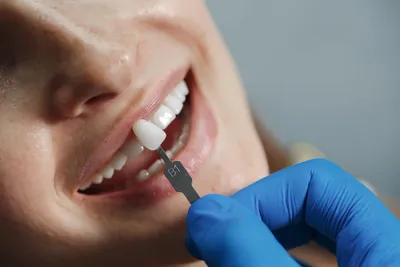
Dental Veneers
Thin, custom-made shells bonded to the front of your teeth to reshape and brighten your smile.
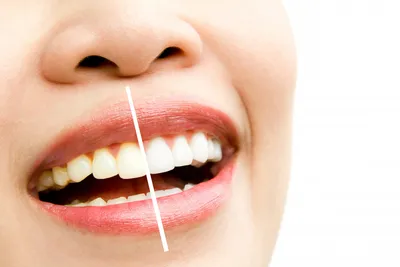
Teeth Whitening
A cosmetic treatment that uses bleaching agents to reduce staining and discolouration and lighten the natural tooth colour.
Hollywood Smile
A full smile makeover combining several cosmetic treatments, personalised to your face and goals.
This page provides general information and does not constitute individual medical advice. Treatment suitability, plans, and costs can only be confirmed after a personal consultation and clinical examination with a qualified dentist. Individual results vary.