'%3e%3cpath%20d='M923.21,488.13c-3.16-7.79-8-17.56-17.57-23.98-7.1-4.71-15.4-7.26-26.92-8.25h-.1c-10.32-.4-20.27,1.96-29.91,4.23-4.24,1-8.63,2.04-12.86,2.79-.6,.09-1.21,.19-1.82,.29-6.34,1.01-12.33,1.96-16.47-2.28-4.53-4.5-7.47-10.23-10.59-16.29-.45-.87-.9-1.74-1.35-2.61-.72-1.39-1.44-2.8-2.16-4.23-4.16-8.22-8.45-16.73-15.65-23.28-18.43-15.29-34.28-18.48-54.69-10.97-22.67,8.36-37.54,33.4-42.24,54.59-2.87,15.38-2.15,32.19,2.13,49.98l.45,1.85,7.53-1-.13-1.98c-.85-12.5-1.5-25.81,.63-39.05,.24-1.82,.61-3.79,.97-5.69,.12-.62,.23-1.23,.34-1.83,4.21-17.82,16.55-38.81,34.65-45.55,15.72-5.72,26.37-3.71,40.67,7.66,6.3,4.96,10.7,13.81,15.36,23.17,5.29,10.63,10.77,21.63,19.58,27.24,9.41,5.91,24.21,2.42,38.51-.96,10.72-2.53,21.81-5.15,29.92-3.62l.12,.02c12.7,1.61,20.97,6.61,26.03,15.76,2.9,5.15,4.68,9.37,5.58,13.21,2.52,12.29-.58,26.58-9.2,42.48-4.39,8.11-10.97,15.51-20.12,22.64-4.9,3.85-10.66,7.32-16.23,10.67-3.81,2.29-7.75,4.66-11.4,7.15-20.44,14.22-31.7,35.12-40.01,53.69l3.67,2.08c1.54-2.21,3.06-4.45,4.58-6.68,4.48-6.59,9.11-13.41,14.4-19.52,8.3-9.69,17.35-17.36,26.89-22.78,1.41-.81,4.32-2.51,6.88-4.01,1.58-.92,3.03-1.77,3.91-2.29,14.97-8.65,25.81-17.81,33.19-28.03,6.62-9.57,11.72-20.52,14.35-30.83,3.21-12.58,2.9-23.94-.94-33.77Z'/%3e%3cpath%20d='M214.5,531.7c6.65,3.39,11.75,8.22,15.29,14.51,3.54,6.29,5.32,13.7,5.32,22.22s-1.77,15.91-5.32,22.16c-3.54,6.25-8.64,11.03-15.29,14.33-6.65,3.31-14.51,4.96-23.59,4.96h-25.92v-83.27h25.92c9.08,0,16.94,1.69,23.59,5.08Zm1.02,60.69c5.65-5.69,8.48-13.68,8.48-23.95s-2.85-18.44-8.54-24.25c-5.7-5.81-13.88-8.72-24.55-8.72h-15.05v65.46h15.05c10.75,0,18.95-2.85,24.61-8.54Z'/%3e%3cpath%20d='M260.31,535.46v27.83h30.34v8.96h-30.34v28.67h33.93v8.96h-44.8v-83.38h44.8v8.96h-33.93Z'/%3e%3cpath%20d='M376.19,609.89h-10.87l-43.72-66.3v66.3h-10.87v-83.38h10.87l43.72,66.18v-66.18h10.87v83.38Z'/%3e%3cpath%20d='M445.96,526.62v8.84h-22.7v74.42h-10.87v-74.42h-22.82v-8.84h56.39Z'/%3e%3cpath%20d='M508.55,591.37h-36.32l-6.69,18.52h-11.47l30.1-82.79h12.54l29.98,82.79h-11.47l-6.69-18.52Zm-3.11-8.84l-15.05-42.05-15.05,42.05h30.1Z'/%3e%3cpath%20d='M608.66,526.62l-31.42,83.27h-12.54l-31.42-83.27h11.59l26.16,71.8,26.16-71.8h11.47Z'/%3e%3cpath%20d='M631.48,526.62v83.27h-10.87v-83.27h10.87Z'/%3e%3cpath%20d='M718.8,526.62l-31.42,83.27h-12.54l-31.42-83.27h11.59l26.16,71.8,26.16-71.8h11.47Z'/%3e%3cpath%20d='M747.35,605.29c-6.37-3.62-11.41-8.68-15.11-15.17-3.7-6.49-5.55-13.8-5.55-21.92s1.85-15.43,5.55-21.92c3.7-6.49,8.74-11.55,15.11-15.17,6.37-3.62,13.42-5.44,21.15-5.44s14.89,1.81,21.26,5.44c6.37,3.62,11.39,8.66,15.05,15.11,3.66,6.45,5.5,13.78,5.5,21.98s-1.83,15.53-5.5,21.98c-3.66,6.45-8.68,11.49-15.05,15.11-6.37,3.62-13.46,5.44-21.26,5.44s-14.77-1.81-21.15-5.44Zm36.85-8.06c4.66-2.71,8.32-6.57,10.99-11.59,2.67-5.02,4-10.83,4-17.44s-1.33-12.52-4-17.5c-2.67-4.98-6.31-8.82-10.93-11.53-4.62-2.71-9.88-4.06-15.77-4.06s-11.15,1.35-15.77,4.06c-4.62,2.71-8.26,6.55-10.93,11.53-2.67,4.98-4,10.81-4,17.5s1.33,12.42,4,17.44c2.67,5.02,6.33,8.88,10.99,11.59,4.66,2.71,9.89,4.06,15.71,4.06s11.05-1.35,15.71-4.06Z'/%3e%3c/g%3e%3c/svg%3e)

Written by Sedef Özdemir · Content Specialist

Medically reviewed by Dr. Mine Helvacıoğlu Özkardeş, Prosthodontist
14+ years of experience in smile design, veneers, and implant-supported restorations.
Last reviewed: 3 August 2026
What Is a Bone Graft?
A bone graft is a procedure that adds bone material to an area of the jaw where natural bone volume has been lost, most often due to earlier tooth loss, gum disease, or an old extraction site that was never restored. The added material integrates with the existing bone over time, creating a stable foundation for a future dental implant.
What Can a Bone Graft Treat?
A bone graft specifically addresses insufficient bone width or height in the jaw, wherever an implant is planned but the surrounding bone isn’t substantial enough to support it securely. It’s a preparatory procedure rather than a visible treatment on its own, its purpose is to make implant treatment possible or more predictable.
Types of Bone Grafts
- Socket preservation graft. Placed at the time of an extraction to help maintain bone volume in a site where an implant may be planned later.
- Ridge augmentation graft. Used to rebuild width or height in an area where bone has already been lost, often some time after the original tooth loss.
- Sinus lift. A specific type of bone graft used in the upper back jaw, addressed in more detail on our sinus lift page.
Which type applies to your case depends on where bone is needed and how much, confirmed through imaging.
Who Is a Suitable Candidate?
A bone graft is generally considered for patients whose imaging shows insufficient bone volume to support a planned implant safely. It’s a common, well-established part of implant planning rather than a sign that implant treatment isn’t possible, most patients who need one are still good implant candidates once the graft has healed.
This section is general information. Individual candidacy can only be confirmed after a clinical examination, medical history review, and diagnostic imaging by a qualified dentist.
Consultation and Treatment Planning
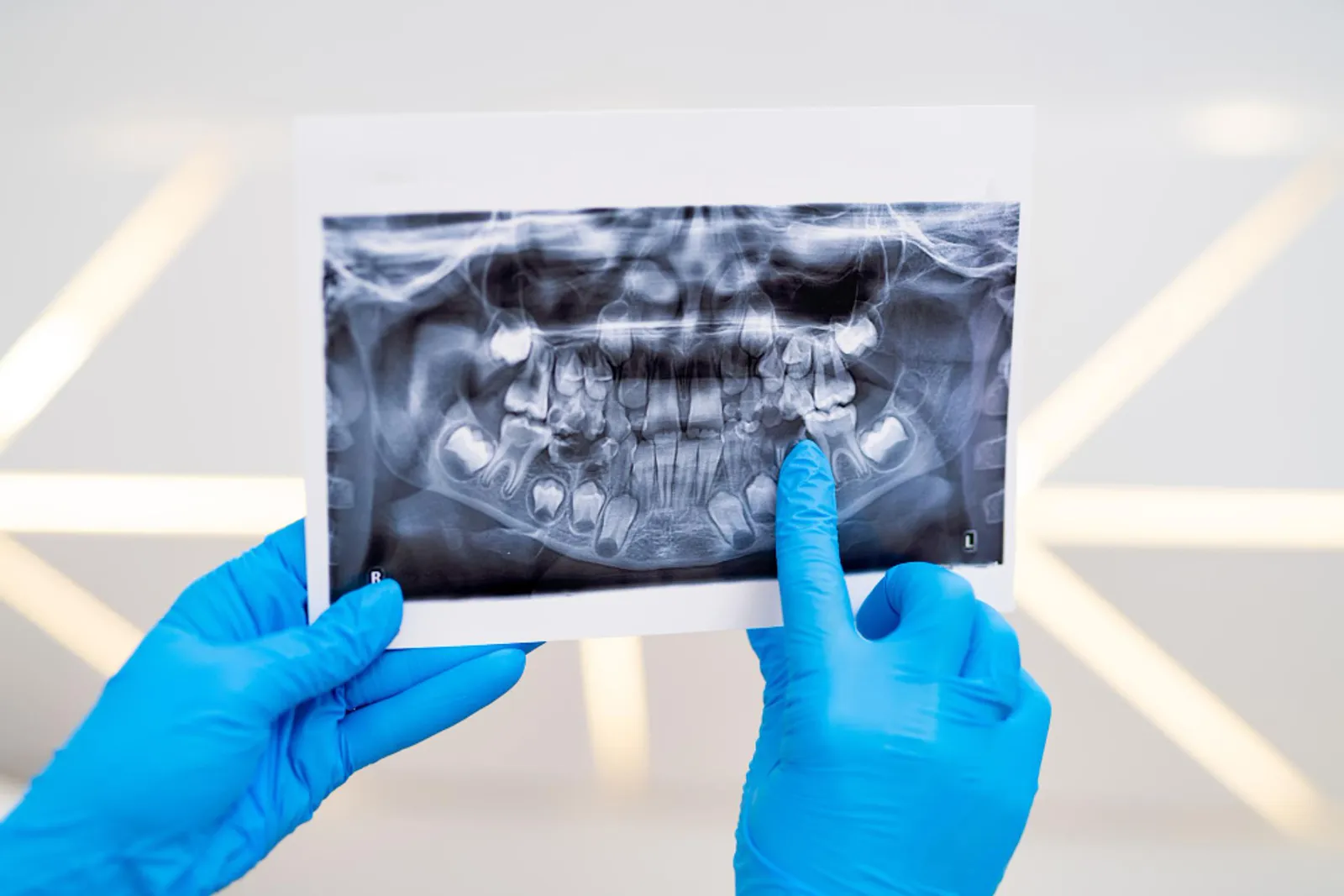
Whether you need a bone graft is determined by imaging, typically a CT scan, reviewed alongside your dental and medical history. Share your case, including any existing X-rays, through our contact form or WhatsApp, and our team will follow up with a personalised plan. If a graft is recommended, your dentist will explain how it fits into your overall implant timeline before you travel.
Bone Graft Procedure: Step by Step
- Assessment. Imaging, usually a CT scan, is used to evaluate exactly how much bone is present and where it’s lacking.
- Procedure. Graft material is placed at the site under local anaesthesia.
- Healing. The graft needs a period of time to fuse with the surrounding bone before an implant can be placed on top of it.
- Re-evaluation. Once healing is expected to be complete, imaging confirms the site is ready before implant placement proceeds.
Exact material choice, technique, and healing time depend on individual anatomy and are confirmed by your dentist after examination.
Treatment Timeline and Visits
The bone graft procedure itself is usually completed in a single visit, taking 30 to 60 minutes. What follows is a healing period, generally 3 to 6 months, during which the graft integrates with your natural bone before an implant can be placed. This typically means a bone graft and the implant that follows it are done across two separate visits to Istanbul, spaced months apart. Your dentist will confirm a personalised timeline once your imaging has been reviewed.
Recovery and Aftercare
Recovery from a bone graft is generally similar to other minor oral surgery:
- Some soreness and swelling in the days afterward is normal and usually manageable with over-the-counter pain relief.
- Avoid smoking, which can slow healing and increase the risk of the graft not integrating properly.
- Stick to soft foods and avoid putting pressure on the grafted area while chewing for the first few days.
- Take any prescribed medication, including antibiotics if given, exactly as directed.
- Attend any follow-up check your dentist schedules to confirm the graft is healing as expected.
Our full pre-op and aftercare guide covers general preparation and recovery in more detail.
Benefits
A bone graft makes implant treatment possible, or more predictable, for patients whose jaw wouldn’t otherwise have enough bone to support an implant securely. Rather than ruling out a fixed, implant-supported solution, it rebuilds the foundation needed so treatment can still move forward with a good chance of long-term success.
Risks and Limitations
As with any surgical procedure, risks include infection or the graft not integrating with the existing bone as expected, which is uncommon but can happen, particularly if aftercare guidance isn’t followed or smoking continues during healing. These are recognised, manageable risks of an established procedure. Your dentist monitors healing before proceeding to the next stage of treatment.
Alternatives and Comparisons
- Bone graft vs. shorter or narrower implants. In some cases, implants designed for limited bone volume may reduce or avoid the need for grafting; whether this suits your case depends on your specific anatomy.
- Bone graft vs. no treatment. Without adequate bone, an implant may not integrate securely or may not be possible at all in that location, so a graft is generally the more predictable route to a stable result rather than a substitute.
- Bone graft vs. removable denture. Choosing not to graft and pursue implants at all is an option, but generally means a removable denture instead of a fixed restoration in that area.
Your dentist can help you weigh up which approach fits your case after reviewing your imaging.
Materials, Brands and Technology
Bone graft material can come from a few different sources depending on the case, including synthetic bone substitutes and other graft materials chosen for biocompatibility and their ability to integrate with your natural bone. Your dentist can discuss which material is planned for your case and why during your consultation.
Bone Graft Cost at Dentavivo
At Dentavivo, a bone graft starts from €200. The final price depends on how much graft material is needed and the specific technique used for your case. Since a bone graft is usually one part of a broader implant treatment plan, your quote will typically cover it alongside the related procedures.
We don’t publish a single fixed price for every case, since every patient’s treatment plan is different. Share some details about your case through our contact form or WhatsApp, and our team will follow up with a clear, personalized quote.
What Is Included for International Patients?
Once you share your case and imaging with us, our team reviews it and follows up with a personalised treatment plan and a free quote, confirmed only after your consultation, so there are no surprises once you arrive. We stay in touch by WhatsApp and email throughout, and help you plan your visit dates around the healing period before your implant is placed.
Before and After Results
Since a bone graft is a preparatory procedure rather than a visible cosmetic change on its own, its results are best seen through the implant treatment it makes possible. You can see genuine, unedited implant results from Dentavivo patients in our Before & After gallery.
Meet the Treatment Team
Implant and bone augmentation treatment at Dentavivo is medically reviewed by Dr. Mine Helvacıoğlu Özkardeş, a prosthodontist with 14+ years of experience in implant-supported restorations, smile design, and veneers, and a member of the International Team for Implantology (ITI). You can read her full background, education, and publications on her profile page.
Medical Review and References
This page was last reviewed on 3 August 2026 by Dr. Mine Helvacıoğlu Özkardeş. Where possible, it links to independent sources rather than asking you to take our word for it:
- International Team for Implantology (ITI): a global academic organisation dedicated to implant dentistry education and research. Dr. Helvacıoğlu Özkardeş is a member.
- American Dental Association (ADA): the U.S. professional association for dentists, publishing evidence-based clinical guidance and patient resources.
- National Institute of Dental and Craniofacial Research (NIDCR): part of the U.S. National Institutes of Health, publishing independent research and patient education on oral health.
Content on this page is general dental information reviewed by Dentavivo's dental team. It is not a substitute for individual medical advice. Treatment plans, suitability, and costs are confirmed only after a personal consultation and clinical examination.
Frequently Asked Questions
Why would I need a bone graft?
Bone can be lost in the jaw after a tooth is removed, from long-term gum disease, or simply from going without a tooth for a long time. If there isn't enough bone left to support an implant securely, a graft is used to build the area back up first.
Does a bone graft delay getting implants?
Usually, yes. The graft needs time to integrate with your existing bone before it can safely support an implant, which is why healing time is built into the overall treatment timeline. Your dentist will confirm the expected wait after reviewing your imaging.
Is a bone graft painful?
The procedure is carried out under local anaesthesia, so you shouldn't feel pain during it. Afterward, some soreness and swelling for a few days is normal and generally manageable with over-the-counter pain relief.
Can a bone graft fail?
In most cases the graft integrates successfully, but as with any surgical procedure, there's a small risk it won't take as expected, particularly if aftercare instructions aren't followed or if smoking continues during healing. Your dentist monitors healing before proceeding to implant placement.
What is a dental bone graft?
A dental bone graft is a procedure that adds bone material to an area of the jaw where natural bone has been lost, building it back up so it can properly support a future dental implant. The graft material can come from the patient's own body, a donor source, or a synthetic substitute, depending on the case.
How is a bone graft done?
Under local anaesthesia, the gum is opened and the graft material is placed at the site of bone loss, then covered and stitched closed to allow healing. Over the following months, your own bone gradually grows into and replaces the graft material, a process your dentist monitors before proceeding to implant placement.
How long does it take for a bone graft to heal?
Healing time varies by the size of the graft and the individual, but it generally takes a few months for the graft to fully integrate with the existing bone before an implant can be placed. Your dentist will confirm the expected timeline for your case after reviewing your imaging.
What is bone graft material made of?
Graft material can be sourced from the patient's own bone, a processed donor bone, animal-derived bone, or a synthetic, bone-like material. Your dentist will explain which type is recommended for your case and why.
What can I eat after a bone graft?
A soft-food diet is recommended for the first few days after a bone graft, avoiding hot, hard, or chewy foods near the treatment site. Your dentist will give you specific dietary guidance as part of your aftercare instructions.
How much does a bone graft cost at Dentavivo?
At Dentavivo, a bone graft starts from €200. The final price depends on the amount of bone needed and the type of graft material used. Share your case with us for a free, personalized quote.
Related Treatments
Dental Implants
A permanent, natural-looking solution for missing teeth.
Sinus Lift
A bone-augmentation procedure that adds bone below the sinus, sometimes required before implants can be placed in the upper back jaw.
All-on-4 Full-Arch Treatment
A full arch of new teeth, supported by just four implants.
All-on-6 Full-Arch Treatment
A full arch of new teeth, supported by six implants for extra stability.
This page provides general information and does not constitute individual medical advice. Treatment suitability, plans, and costs can only be confirmed after a personal consultation and clinical examination with a qualified dentist. Individual results vary.