'%3e%3cpath%20d='M923.21,488.13c-3.16-7.79-8-17.56-17.57-23.98-7.1-4.71-15.4-7.26-26.92-8.25h-.1c-10.32-.4-20.27,1.96-29.91,4.23-4.24,1-8.63,2.04-12.86,2.79-.6,.09-1.21,.19-1.82,.29-6.34,1.01-12.33,1.96-16.47-2.28-4.53-4.5-7.47-10.23-10.59-16.29-.45-.87-.9-1.74-1.35-2.61-.72-1.39-1.44-2.8-2.16-4.23-4.16-8.22-8.45-16.73-15.65-23.28-18.43-15.29-34.28-18.48-54.69-10.97-22.67,8.36-37.54,33.4-42.24,54.59-2.87,15.38-2.15,32.19,2.13,49.98l.45,1.85,7.53-1-.13-1.98c-.85-12.5-1.5-25.81,.63-39.05,.24-1.82,.61-3.79,.97-5.69,.12-.62,.23-1.23,.34-1.83,4.21-17.82,16.55-38.81,34.65-45.55,15.72-5.72,26.37-3.71,40.67,7.66,6.3,4.96,10.7,13.81,15.36,23.17,5.29,10.63,10.77,21.63,19.58,27.24,9.41,5.91,24.21,2.42,38.51-.96,10.72-2.53,21.81-5.15,29.92-3.62l.12,.02c12.7,1.61,20.97,6.61,26.03,15.76,2.9,5.15,4.68,9.37,5.58,13.21,2.52,12.29-.58,26.58-9.2,42.48-4.39,8.11-10.97,15.51-20.12,22.64-4.9,3.85-10.66,7.32-16.23,10.67-3.81,2.29-7.75,4.66-11.4,7.15-20.44,14.22-31.7,35.12-40.01,53.69l3.67,2.08c1.54-2.21,3.06-4.45,4.58-6.68,4.48-6.59,9.11-13.41,14.4-19.52,8.3-9.69,17.35-17.36,26.89-22.78,1.41-.81,4.32-2.51,6.88-4.01,1.58-.92,3.03-1.77,3.91-2.29,14.97-8.65,25.81-17.81,33.19-28.03,6.62-9.57,11.72-20.52,14.35-30.83,3.21-12.58,2.9-23.94-.94-33.77Z'/%3e%3cpath%20d='M214.5,531.7c6.65,3.39,11.75,8.22,15.29,14.51,3.54,6.29,5.32,13.7,5.32,22.22s-1.77,15.91-5.32,22.16c-3.54,6.25-8.64,11.03-15.29,14.33-6.65,3.31-14.51,4.96-23.59,4.96h-25.92v-83.27h25.92c9.08,0,16.94,1.69,23.59,5.08Zm1.02,60.69c5.65-5.69,8.48-13.68,8.48-23.95s-2.85-18.44-8.54-24.25c-5.7-5.81-13.88-8.72-24.55-8.72h-15.05v65.46h15.05c10.75,0,18.95-2.85,24.61-8.54Z'/%3e%3cpath%20d='M260.31,535.46v27.83h30.34v8.96h-30.34v28.67h33.93v8.96h-44.8v-83.38h44.8v8.96h-33.93Z'/%3e%3cpath%20d='M376.19,609.89h-10.87l-43.72-66.3v66.3h-10.87v-83.38h10.87l43.72,66.18v-66.18h10.87v83.38Z'/%3e%3cpath%20d='M445.96,526.62v8.84h-22.7v74.42h-10.87v-74.42h-22.82v-8.84h56.39Z'/%3e%3cpath%20d='M508.55,591.37h-36.32l-6.69,18.52h-11.47l30.1-82.79h12.54l29.98,82.79h-11.47l-6.69-18.52Zm-3.11-8.84l-15.05-42.05-15.05,42.05h30.1Z'/%3e%3cpath%20d='M608.66,526.62l-31.42,83.27h-12.54l-31.42-83.27h11.59l26.16,71.8,26.16-71.8h11.47Z'/%3e%3cpath%20d='M631.48,526.62v83.27h-10.87v-83.27h10.87Z'/%3e%3cpath%20d='M718.8,526.62l-31.42,83.27h-12.54l-31.42-83.27h11.59l26.16,71.8,26.16-71.8h11.47Z'/%3e%3cpath%20d='M747.35,605.29c-6.37-3.62-11.41-8.68-15.11-15.17-3.7-6.49-5.55-13.8-5.55-21.92s1.85-15.43,5.55-21.92c3.7-6.49,8.74-11.55,15.11-15.17,6.37-3.62,13.42-5.44,21.15-5.44s14.89,1.81,21.26,5.44c6.37,3.62,11.39,8.66,15.05,15.11,3.66,6.45,5.5,13.78,5.5,21.98s-1.83,15.53-5.5,21.98c-3.66,6.45-8.68,11.49-15.05,15.11-6.37,3.62-13.46,5.44-21.26,5.44s-14.77-1.81-21.15-5.44Zm36.85-8.06c4.66-2.71,8.32-6.57,10.99-11.59,2.67-5.02,4-10.83,4-17.44s-1.33-12.52-4-17.5c-2.67-4.98-6.31-8.82-10.93-11.53-4.62-2.71-9.88-4.06-15.77-4.06s-11.15,1.35-15.77,4.06c-4.62,2.71-8.26,6.55-10.93,11.53-2.67,4.98-4,10.81-4,17.5s1.33,12.42,4,17.44c2.67,5.02,6.33,8.88,10.99,11.59,4.66,2.71,9.89,4.06,15.71,4.06s11.05-1.35,15.71-4.06Z'/%3e%3c/g%3e%3c/svg%3e)

Written by Sedef Özdemir · Content Specialist

Medically reviewed by Dr. Mine Helvacıoğlu Özkardeş, Prosthodontist
14+ years of experience in smile design, veneers, and implant-supported restorations.
Last reviewed: 3 August 2026
What Is Tooth Extraction?
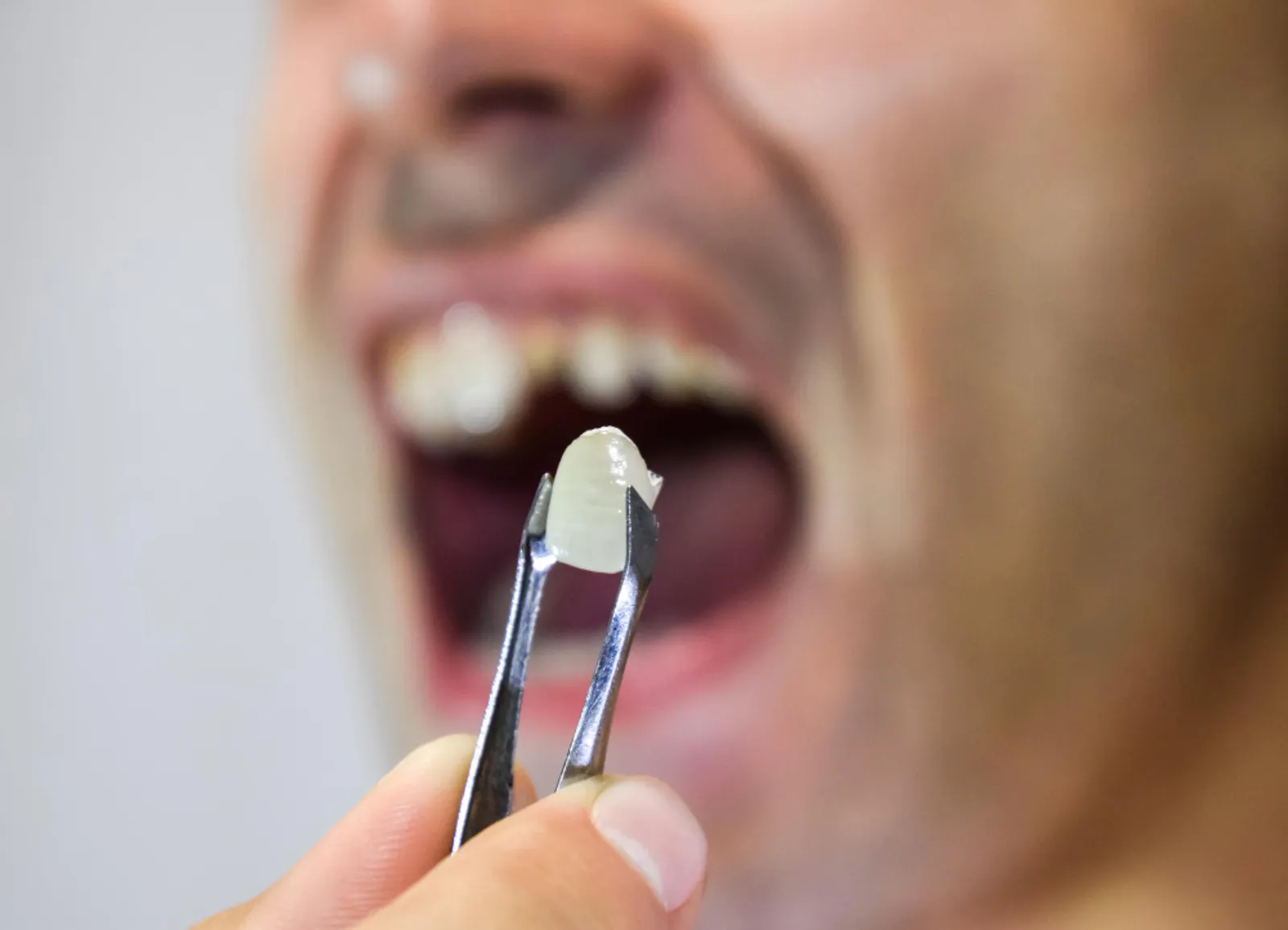
Tooth extraction is the removal of a tooth from its socket in the jawbone. It’s generally considered when a tooth can’t be effectively restored or is otherwise causing clinical problems, rather than a first-choice treatment.
What Can Tooth Extraction Treat?
Extraction addresses teeth that are too damaged, decayed, or infected to save with treatments like a filling, crown, or root canal, as well as teeth causing crowding as part of an orthodontic plan, or teeth that are impacted and unable to erupt normally, most often wisdom teeth.
Types of Tooth Extraction
- Simple extraction. Used for a visible, accessible tooth, generally removed with local anaesthesia in a single, straightforward step.
- Surgical extraction. Needed when a tooth is broken at the gumline, hasn’t fully erupted, or is impacted, requiring a small incision or the tooth to be sectioned for removal.
- Wisdom tooth extraction. A common type of surgical extraction, since wisdom teeth are frequently impacted or positioned awkwardly at the back of the jaw.
Which type applies to your case depends on the tooth’s position and condition, confirmed through examination and imaging.
Who Is a Suitable Candidate?
Most patients whose dentist has identified a tooth that can’t be saved, or that’s impacted and causing problems, are candidates for extraction. Certain health conditions or medications that affect bleeding or healing are taken into account beforehand, which is why a full medical history is reviewed at consultation.
This section is general information. Individual suitability can only be confirmed after a clinical examination, medical history review, and diagnostic imaging by a qualified dentist.
Consultation and Treatment Planning
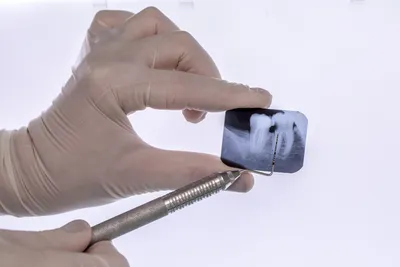
A clinical examination and imaging, usually an X-ray, are used to confirm that extraction is the right option and to understand the tooth’s position before treatment. Share your concerns and any existing X-rays through our contact form or WhatsApp, and our team will follow up with a plan. If you’re also considering a replacement option afterward, such as an implant or bridge, that can be discussed and planned for at the same time.
Tooth Extraction Procedure: Step by Step
- Assessment. Examination and imaging to evaluate the tooth and surrounding bone.
- Anaesthesia. Local anaesthesia is used to numb the area; additional sedation options may be discussed for more complex or surgical extractions.
- Extraction. The tooth is carefully removed, using a surgical approach if it’s impacted or broken at the gumline.
- Aftercare guidance. Instructions are given for the healing period, along with information on replacement options if relevant.
Exact approach and duration depend on the tooth’s position and condition, confirmed by your dentist after examination.
Treatment Timeline and Visits
A tooth extraction is generally completed in a single visit, taking 20 to 40 minutes depending on whether it’s a simple or surgical extraction. If you’re planning to replace the tooth afterward, for example with a dental implant, that typically requires a healing period of a few months before the next stage, meaning a separate return visit. Your dentist will confirm what applies to your case.
Recovery and Aftercare
The first few days after extraction matter most for healing and avoiding complications like dry socket:
- Bite down on gauze for the first hour or so to help a blood clot form in the socket.
- Avoid rinsing, spitting forcefully, drinking through a straw, or smoking for at least 24 hours, since these can dislodge the clot and lead to dry socket.
- Use ice packs on the outside of your face for the first 24 hours if there’s swelling.
- After 24 hours, gently rinse with warm salt water a few times a day to keep the area clean.
- Stick to soft, cool foods and chew on the opposite side while the socket heals.
- Take any prescribed medication exactly as directed.
Most soreness settles within a few days. If pain increases sharply a few days after extraction rather than gradually easing, that can be a sign of dry socket and is worth contacting your dentist about. Our full pre-op and aftercare guide covers preparation and recovery in more detail.
Benefits
Removing a tooth that can’t be saved resolves the pain, infection risk, or structural problems it’s causing, and clears the way for a planned replacement, such as an implant or bridge, if you choose one. For impacted or problematic wisdom teeth, extraction can prevent recurring infection, crowding, or damage to neighbouring teeth.
Risks and Limitations
Extraction is a common, generally low-risk procedure, but as with any surgical treatment there are risks to be aware of, including infection, prolonged bleeding, or dry socket if aftercare instructions aren’t followed closely. Surgical extractions, such as impacted wisdom teeth, carry a somewhat higher risk profile than simple extractions. Your dentist will talk you through the specific risks for your case beforehand.
Alternatives and Comparisons
- Extraction vs. root canal treatment. If a tooth is salvageable, a root canal can often save it rather than removing it, generally preferable when it’s a realistic option.
- Extraction vs. leaving the tooth. Leaving a severely damaged or infected tooth in place risks worsening infection and pain, so extraction is usually recommended once a tooth is no longer restorable.
- Replacement options after extraction. Once a tooth is removed, you can choose to leave the space, or replace it with a dental implant, bridge, or denture, discussed individually based on your goals.
Your dentist can help you weigh up which option fits your case after examination.
Materials, Brands and Technology
Tooth extraction itself doesn’t involve implanted materials, the procedure uses standard surgical instruments and, where needed, sutures that either dissolve on their own or are removed at a short follow-up visit. If you’re planning a replacement afterward, materials and brands for that treatment, such as implants, are covered on the relevant treatment page.
Tooth Extraction Cost at Dentavivo
At Dentavivo, tooth extraction starts from €150, confirmed after an examination and X-ray. The final price depends on whether it’s a simple or surgical extraction, and how many teeth need to be removed. If you’re planning a replacement afterward, that’s quoted separately based on the option you choose.
We don’t publish a single fixed price for every case, since every patient’s situation is different. Share some details about your case through our contact form or WhatsApp, and our team will follow up with a clear, personalized quote.
What Is Included for International Patients?
Once you share your case with us, our team reviews it and follows up with a personalised plan and a free quote, confirmed only after your consultation and imaging, so there are no surprises once you arrive. We stay in touch by WhatsApp and email throughout, and help you plan your visit dates, particularly if you’re combining extraction with a replacement treatment that needs a healing period first.
Before and After Results
Tooth extraction on its own is a corrective, not cosmetic, procedure, so its results are best seen through any replacement treatment that follows it. You can see genuine, unedited results from Dentavivo patients, including implant and smile makeover cases, in our Before & After gallery.
Meet the Treatment Team
Treatment at Dentavivo is medically reviewed by Dr. Mine Helvacıoğlu Özkardeş, a prosthodontist with 14+ years of experience in restorative and implant-supported dentistry. You can read her full background, education, and publications on her profile page.
Medical Review and References
This page was last reviewed on 3 August 2026 by Dr. Mine Helvacıoğlu Özkardeş. Where possible, it links to independent sources rather than asking you to take our word for it:
- American Dental Association (ADA): the U.S. professional association for dentists, publishing evidence-based clinical guidance and patient resources.
- National Institute of Dental and Craniofacial Research (NIDCR): part of the U.S. National Institutes of Health, publishing independent research and patient education on oral health.
Content on this page is general dental information reviewed by Dentavivo's dental team. It is not a substitute for individual medical advice. Treatment plans, suitability, and costs are confirmed only after a personal consultation and clinical examination.
Frequently Asked Questions
When is tooth extraction necessary?
Extraction is generally considered when a tooth is too damaged or decayed to be restored, is causing crowding as part of an orthodontic plan, or is impacted, such as some wisdom teeth.
What are the options after an extraction?
Depending on the tooth and the patient's wishes, options can include leaving the space, or replacing the tooth with an implant, bridge, or denture. This is discussed individually with your dentist.
What is dry socket and how can I avoid it?
Dry socket happens when the blood clot that normally forms in the socket after extraction is dislodged or dissolves too early, exposing the bone underneath and causing noticeable pain a few days later. It's uncommon but avoidable in most cases by following aftercare instructions closely, particularly avoiding smoking, straws, and vigorous rinsing in the first days after extraction.
Does tooth extraction hurt?
The tooth itself is numbed with local anaesthesia, so you shouldn't feel pain during the extraction, though you may feel pressure. Some soreness for a few days afterward is normal and usually manageable with over-the-counter pain relief.
What can I eat after a tooth extraction?
Soft foods like yoghurt, mashed potatoes, and smoothies are recommended for the first day or two, gradually returning to your normal diet as the socket heals. Hot, hard, crunchy, or spicy foods are best avoided in the first few days, along with drinking through a straw, which can dislodge the healing blood clot.
How much does a tooth extraction cost at Dentavivo?
At Dentavivo, a tooth extraction starts from €150. The final price depends on the complexity of the extraction, such as whether the tooth is impacted. Share your case with us for a free, personalized quote.
How long does a tooth extraction take?
A straightforward extraction usually takes just a few minutes, while a more complex or surgical extraction, such as an impacted tooth, can take 20 to 40 minutes. Your dentist can give you a more specific estimate after examining your tooth and X-rays.
How long should I avoid smoking after a tooth extraction?
It's best to avoid smoking for at least 48 to 72 hours after an extraction, and ideally longer. Smoking increases the risk of dry socket and can slow healing, so your dentist will give you specific guidance based on your case.
What's the general aftercare routine after a tooth extraction?
In the first 24 hours, bite gently on gauze to help a blood clot form, avoid rinsing or spitting forcefully, and stick to soft, cool foods. After the first day, gentle rinsing with warm salt water a few times a day helps keep the area clean while it heals. Your dentist will give you full written aftercare instructions specific to your extraction.
How long does pain last after a tooth extraction?
Most discomfort is strongest in the first 24 to 48 hours and gradually improves over the following few days, usually manageable with over-the-counter pain relief. If pain worsens instead of improving after a few days, this can be a sign of infection or dry socket and is worth contacting your dentist about.
Related Treatments
Dental Implants
A permanent, natural-looking solution for missing teeth.
Root Canal Treatment
A procedure that removes infected or inflamed pulp from inside a tooth to relieve pain and preserve the natural tooth.
Dental Bridges
A fixed restoration that replaces one or more missing teeth by anchoring to neighbouring teeth or implants.
Bone Graft
Rebuilds bone volume in the jaw, often needed before implants can be placed.
This page provides general information and does not constitute individual medical advice. Treatment suitability, plans, and costs can only be confirmed after a personal consultation and clinical examination with a qualified dentist. Individual results vary.