'%3e%3cpath%20d='M923.21,488.13c-3.16-7.79-8-17.56-17.57-23.98-7.1-4.71-15.4-7.26-26.92-8.25h-.1c-10.32-.4-20.27,1.96-29.91,4.23-4.24,1-8.63,2.04-12.86,2.79-.6,.09-1.21,.19-1.82,.29-6.34,1.01-12.33,1.96-16.47-2.28-4.53-4.5-7.47-10.23-10.59-16.29-.45-.87-.9-1.74-1.35-2.61-.72-1.39-1.44-2.8-2.16-4.23-4.16-8.22-8.45-16.73-15.65-23.28-18.43-15.29-34.28-18.48-54.69-10.97-22.67,8.36-37.54,33.4-42.24,54.59-2.87,15.38-2.15,32.19,2.13,49.98l.45,1.85,7.53-1-.13-1.98c-.85-12.5-1.5-25.81,.63-39.05,.24-1.82,.61-3.79,.97-5.69,.12-.62,.23-1.23,.34-1.83,4.21-17.82,16.55-38.81,34.65-45.55,15.72-5.72,26.37-3.71,40.67,7.66,6.3,4.96,10.7,13.81,15.36,23.17,5.29,10.63,10.77,21.63,19.58,27.24,9.41,5.91,24.21,2.42,38.51-.96,10.72-2.53,21.81-5.15,29.92-3.62l.12,.02c12.7,1.61,20.97,6.61,26.03,15.76,2.9,5.15,4.68,9.37,5.58,13.21,2.52,12.29-.58,26.58-9.2,42.48-4.39,8.11-10.97,15.51-20.12,22.64-4.9,3.85-10.66,7.32-16.23,10.67-3.81,2.29-7.75,4.66-11.4,7.15-20.44,14.22-31.7,35.12-40.01,53.69l3.67,2.08c1.54-2.21,3.06-4.45,4.58-6.68,4.48-6.59,9.11-13.41,14.4-19.52,8.3-9.69,17.35-17.36,26.89-22.78,1.41-.81,4.32-2.51,6.88-4.01,1.58-.92,3.03-1.77,3.91-2.29,14.97-8.65,25.81-17.81,33.19-28.03,6.62-9.57,11.72-20.52,14.35-30.83,3.21-12.58,2.9-23.94-.94-33.77Z'/%3e%3cpath%20d='M214.5,531.7c6.65,3.39,11.75,8.22,15.29,14.51,3.54,6.29,5.32,13.7,5.32,22.22s-1.77,15.91-5.32,22.16c-3.54,6.25-8.64,11.03-15.29,14.33-6.65,3.31-14.51,4.96-23.59,4.96h-25.92v-83.27h25.92c9.08,0,16.94,1.69,23.59,5.08Zm1.02,60.69c5.65-5.69,8.48-13.68,8.48-23.95s-2.85-18.44-8.54-24.25c-5.7-5.81-13.88-8.72-24.55-8.72h-15.05v65.46h15.05c10.75,0,18.95-2.85,24.61-8.54Z'/%3e%3cpath%20d='M260.31,535.46v27.83h30.34v8.96h-30.34v28.67h33.93v8.96h-44.8v-83.38h44.8v8.96h-33.93Z'/%3e%3cpath%20d='M376.19,609.89h-10.87l-43.72-66.3v66.3h-10.87v-83.38h10.87l43.72,66.18v-66.18h10.87v83.38Z'/%3e%3cpath%20d='M445.96,526.62v8.84h-22.7v74.42h-10.87v-74.42h-22.82v-8.84h56.39Z'/%3e%3cpath%20d='M508.55,591.37h-36.32l-6.69,18.52h-11.47l30.1-82.79h12.54l29.98,82.79h-11.47l-6.69-18.52Zm-3.11-8.84l-15.05-42.05-15.05,42.05h30.1Z'/%3e%3cpath%20d='M608.66,526.62l-31.42,83.27h-12.54l-31.42-83.27h11.59l26.16,71.8,26.16-71.8h11.47Z'/%3e%3cpath%20d='M631.48,526.62v83.27h-10.87v-83.27h10.87Z'/%3e%3cpath%20d='M718.8,526.62l-31.42,83.27h-12.54l-31.42-83.27h11.59l26.16,71.8,26.16-71.8h11.47Z'/%3e%3cpath%20d='M747.35,605.29c-6.37-3.62-11.41-8.68-15.11-15.17-3.7-6.49-5.55-13.8-5.55-21.92s1.85-15.43,5.55-21.92c3.7-6.49,8.74-11.55,15.11-15.17,6.37-3.62,13.42-5.44,21.15-5.44s14.89,1.81,21.26,5.44c6.37,3.62,11.39,8.66,15.05,15.11,3.66,6.45,5.5,13.78,5.5,21.98s-1.83,15.53-5.5,21.98c-3.66,6.45-8.68,11.49-15.05,15.11-6.37,3.62-13.46,5.44-21.26,5.44s-14.77-1.81-21.15-5.44Zm36.85-8.06c4.66-2.71,8.32-6.57,10.99-11.59,2.67-5.02,4-10.83,4-17.44s-1.33-12.52-4-17.5c-2.67-4.98-6.31-8.82-10.93-11.53-4.62-2.71-9.88-4.06-15.77-4.06s-11.15,1.35-15.77,4.06c-4.62,2.71-8.26,6.55-10.93,11.53-2.67,4.98-4,10.81-4,17.5s1.33,12.42,4,17.44c2.67,5.02,6.33,8.88,10.99,11.59,4.66,2.71,9.89,4.06,15.71,4.06s11.05-1.35,15.71-4.06Z'/%3e%3c/g%3e%3c/svg%3e)

Written by Sedef Özdemir · Content Specialist

Medically reviewed by Dr. Mine Helvacıoğlu Özkardeş, Prosthodontist
14+ years of experience in smile design, veneers, and implant-supported restorations.
Last reviewed: 4 August 2026
What Is a Dental Crown?
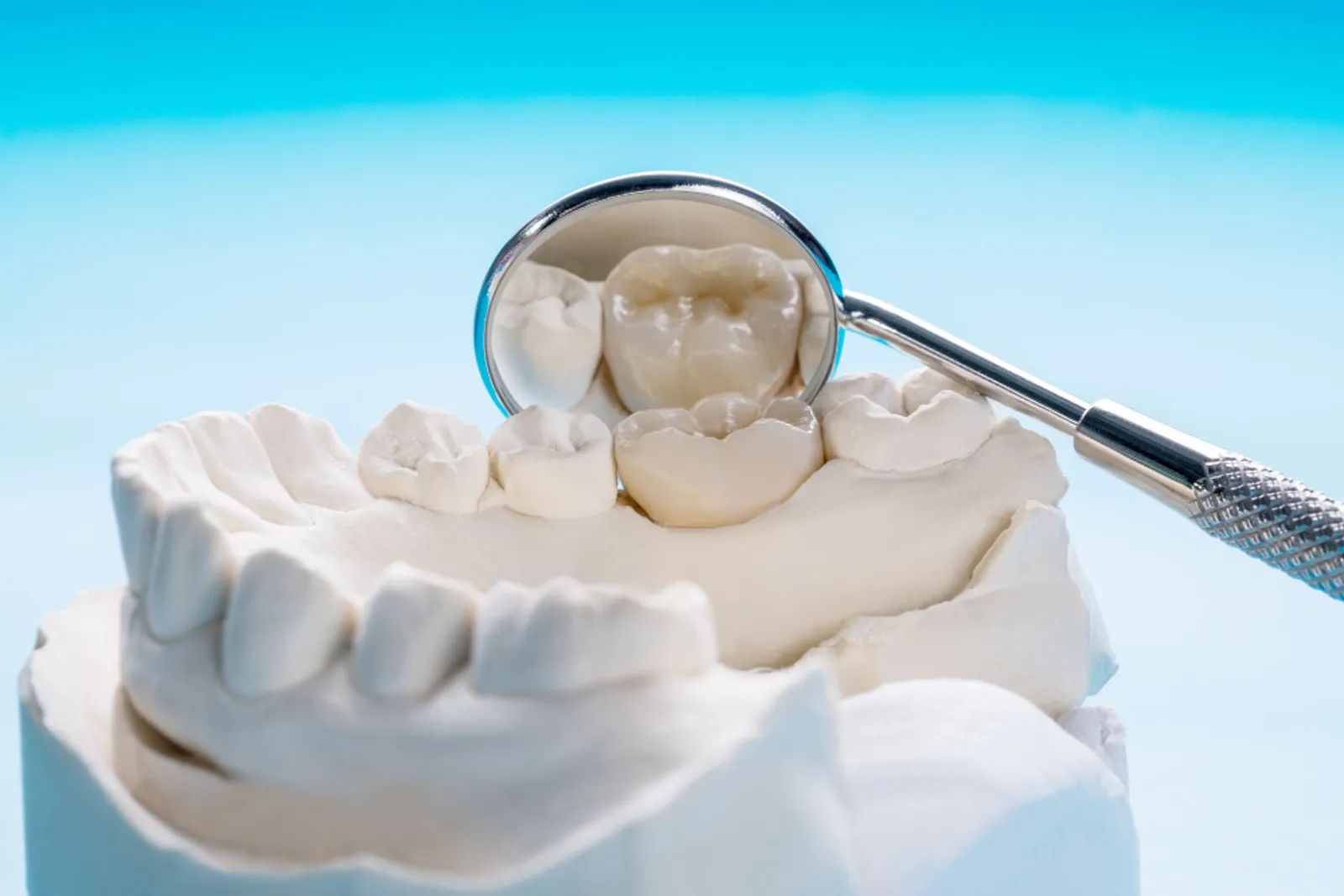
A dental crown is a custom-made cap that fits over an entire tooth, covering it completely from the gumline up. It’s shaped and shaded to match the surrounding teeth and is used to protect a weakened tooth, restore one that’s been significantly damaged, or rebuild a tooth’s shape and function after decay, a crack, or root canal treatment.
How Do Dental Crowns Restore the Tooth?
Once a tooth has lost too much of its natural structure to support a filling reliably, whether from decay, a fracture, or heavy wear, a crown takes over that supporting role. By covering the tooth entirely, it redistributes biting forces across a stable outer shell rather than relying on what’s left of the natural tooth, which both protects the remaining structure from further damage and restores normal shape, height, and function so the tooth can be used and cleaned as usual.
What Dental Problems Can Dental Crowns Treat?
Crowns are used for teeth that are significantly decayed, cracked, or worn down, for teeth that have had root canal treatment and need extra protection against fracture, and for teeth that are misshapen or discoloured beyond what whitening or bonding can address. They’re also used to complete a dental implant, capping the post with a natural-looking, functional tooth.
Types of Dental Crowns
- Zirconia crowns. A strong, durable option well suited to back teeth and heavier bite forces, with a more opaque, less translucent appearance than some all-ceramic options.
- E.max (lithium disilicate) crowns. A glass-ceramic material valued for its natural translucency, generally chosen for front teeth where appearance matters most.
- Porcelain-fused-to-metal (PFM) crowns. A metal substructure with a porcelain outer layer, combining strength with a reasonable aesthetic result, though the metal edge can sometimes show at the gumline over time.
- Full-metal crowns. Rarely chosen for visible teeth today but occasionally used on back molars where strength matters more than appearance.
Zirconium vs. E.max Crowns
The two most commonly recommended ceramic options work well in different situations. Zirconia is generally stronger and more resistant to chipping, making it a common choice for molars that carry heavy bite forces, particularly for patients who grind their teeth. E.max is more translucent and can look closer to natural enamel, which is why it’s often preferred for front teeth where light passes through the tooth and appearance is the priority. Some cases use a combination, zirconia further back and E.max toward the front, depending on individual needs.
Who Is a Suitable Candidate?
Most patients with a tooth that’s structurally compromised by decay, a crack, heavy wear, or previous root canal treatment are candidates for a crown, provided there’s enough remaining healthy tooth structure to support one, or the tooth can be built up first. Gum health and overall bite are also considered, since these affect how well a crown fits and functions long term.
This section is general information. Individual candidacy can only be confirmed after a clinical examination, medical history review, and diagnostic imaging by a qualified dentist.
When May a Different Treatment Be Recommended?
If a reasonable amount of healthy tooth structure remains and the damage is limited, a filling may be sufficient rather than a full crown. If a tooth is too badly damaged to restore even with a crown, extraction followed by a bridge or implant may be recommended instead. Your dentist will explain the reasoning if a crown isn’t the most suitable option for your case.
Your Consultation and Dental Assessment
Share details of your concern, along with any existing X-rays, through our contact form or WhatsApp. Our team follows up with an initial assessment and a free quote, though a final material choice and price are confirmed once your dentist has examined the tooth in person, since the right approach depends on exactly how much natural structure remains.
What Diagnostic Tests Are Required?
A clinical examination and an X-ray are the standard starting point, used to check the health of the tooth’s root and surrounding bone before deciding on a crown. If the tooth is still alive (hasn’t had root canal treatment), your dentist will also check its nerve health as part of planning.
Dental Crowns Procedure: Step by Step
- Assessment. Examination and X-ray to evaluate the tooth and confirm a crown is the right approach.
- Tooth preparation. The tooth is reshaped to make room for the crown, and any decay is removed first.
- Impressions or digital scanning. Used to design a crown that fits precisely and matches your bite.
- Temporary crown. A temporary crown protects the prepared tooth while the final one is made.
- Fitting the final crown. Checked for fit, bite, and colour match before being permanently cemented in place.
Will You Need Local Anaesthesia?
Yes, tooth preparation is carried out under local anaesthesia, so you shouldn’t feel pain while the tooth is being reshaped. Fitting the final crown at a later visit is usually straightforward enough not to need anaesthesia at all, though your dentist can numb the area again if you’d prefer.
Will the Natural Tooth Need Preparation?
In most cases, yes. A thin layer of the tooth’s outer surface is removed so the crown has room to fit over it without feeling bulky or affecting your bite. How much is removed depends on the tooth’s condition; a tooth that’s already lost significant structure to decay may need little additional reshaping.
Will You Need a Temporary Restoration?
Yes, in almost every case. Because the final crown is custom-made off-site or in a dental lab, a temporary crown is fitted at your first appointment to protect the prepared tooth and let you eat and speak comfortably while you wait for the permanent one.
How Long Does Dental Crowns Take?
The appointment for tooth preparation and the temporary crown typically takes 45 to 60 minutes. The final crown is usually ready within a week to ten days, fitted at a short second appointment.
How Many Appointments Are Required?
Two appointments are standard: one to prepare the tooth and fit a temporary crown, and a second, shorter visit to fit the final crown once it’s been made. Some cases involving multiple crowns or additional treatment beforehand may need an extra visit.
How Long Should You Stay in Istanbul?
Since the crown needs time to be fabricated between visits, plan for a stay of at least 5 to 7 days to cover both appointments comfortably. If you’re combining crowns with other treatment, your dentist can advise on a longer stay that fits your full plan.
Recovery and Tooth Sensitivity
There’s no surgical recovery period after getting a crown, but mild sensitivity to temperature or pressure around the prepared tooth is common for a few days, especially while wearing the temporary crown. This usually settles once the final crown is fitted. Contact your dentist if sensitivity is severe or doesn’t improve.
Eating and Drinking After Treatment
With a temporary crown in place, avoid sticky or very hard foods on that side of your mouth, since temporary crowns aren’t as strong as the final restoration and can dislodge. Once your final crown is fitted and the cement has set, you can eat normally.
How to Care for Your Restoration
Brush and floss around a crown just as you would a natural tooth, being gentle around the gumline where the crown meets your gum. Regular check-ups let your dentist confirm the crown and the tooth beneath it remain in good condition over time.
Benefits of Dental Crowns
A crown protects a weakened tooth from further damage or fracture, restores normal shape and function so you can bite and chew comfortably, and can significantly improve the appearance of a damaged or discoloured tooth. Because it covers the entire tooth, it offers more protection than a filling for teeth that have lost substantial structure.
Risks, Limitations and Possible Complications
As with any dental procedure, risks include sensitivity, the crown not fitting perfectly and needing adjustment, or, less commonly, the nerve inside the tooth becoming irritated by the preparation process and requiring root canal treatment afterward. A crown can also come loose or fail if the cement breaks down over time, which is why regular check-ups matter.
How Long Does Dental Crowns Last?
Most crowns last well over a decade with good care, and many go significantly longer. Zirconia and PFM crowns are generally very durable; E.max crowns are strong but slightly more prone to chipping under very heavy bite forces. Actual lifespan varies by material, location in the mouth, and how well it’s cared for.
What Can Damage or Shorten Its Lifespan?
Grinding or clenching your teeth, biting down on very hard foods or objects like ice or pens, and poor oral hygiene around the crown’s edge can all shorten its lifespan. Gum recession over many years can also expose the crown’s margin, which is normal ageing but worth monitoring at check-ups.
Managing Bruxism and Bite Forces
If you grind or clench your teeth, particularly at night, this puts extra stress on any crown and can lead to chipping or premature wear, most often with more brittle ceramic materials. A nightguard is commonly recommended to protect both natural teeth and restorations if bruxism is identified, and your dentist may also factor it into which material they recommend for your crown.
Can the Restoration Be Repaired or Replaced?
Minor chips in a ceramic crown can sometimes be smoothed or polished, but significant damage generally means the crown needs to be replaced rather than repaired, since it’s a single fabricated piece. If a crown comes loose but is otherwise intact, it can often be recemented rather than remade.
Alternatives to Dental Crowns
- Crown vs. filling. A filling is used when enough healthy tooth structure remains to support it; once damage is more extensive, a crown offers more comprehensive protection.
- Crown vs. veneer. A veneer covers mainly the front surface of a tooth and is generally used for cosmetic changes, while a crown covers the whole tooth and is used when more structural protection is needed.
- Crown vs. extraction and replacement. If a tooth is too damaged even for a crown, extraction followed by a dental implant or bridge may be the more realistic option.
Dental Crowns vs. Dental Veneers
Crowns and veneers are sometimes confused since both are custom-made ceramic restorations, but they serve different purposes. A veneer is a thin shell bonded to the front of a tooth, chosen when the tooth is structurally healthy and the goal is mainly cosmetic. A crown covers the entire tooth and is used when the tooth needs real structural protection, not just a cosmetic improvement. Your dentist can advise which is appropriate based on how much of the tooth’s natural structure is still intact.
Dental Crowns vs. Dental Fillings
The choice between a filling and a crown comes down to how much healthy tooth structure remains. A filling fills a defined area of decay or damage and works well while there’s still a solid foundation of natural tooth around it. Once decay or a fracture affects a large portion of the tooth, a filling has less to bond to and is more likely to fail, which is when a crown, covering and supporting the whole tooth, becomes the more predictable option.
Materials Used for Dental Crowns
At Dentavivo, crowns are available in zirconia, E.max, and porcelain-fused-to-metal, chosen based on the tooth’s location, the bite forces it needs to withstand, and your aesthetic priorities. Each material is fabricated to match the shade of your surrounding teeth.
Choosing the Right Material
Your dentist will recommend a material based on where the tooth sits in your mouth, how much visible aesthetics matter for that tooth, and your bite. Zirconia is often favoured for back teeth needing maximum strength, while E.max is generally preferred for front teeth where translucency and a natural look matter most.
Shade Matching and Natural-Looking Results
Getting a crown to blend in with your natural teeth depends on accurate shade matching at the planning stage, along with the ceramic technician’s skill in layering the material to mimic how natural enamel reflects light. This matters most for crowns on visible front teeth, where even a slightly off shade can be noticeable next to natural teeth.
Dental Crowns Cost at Dentavivo
At Dentavivo, dental crowns start from €150 per tooth. The exact price depends on the material chosen, zirconia, E.max, or PFM, and the condition of the tooth being treated. Crowns needed as part of a larger plan, such as after root canal treatment or alongside implants, are quoted as part of that overall plan.
We don’t publish a single fixed price for every case, since materials and clinical needs vary. Share some details about your case through our contact form or WhatsApp, and our team will follow up with a clear, personalized quote.
What Is Included in the Price?
Your quote covers the consultation, tooth preparation, the temporary crown, the final custom-made crown itself, and its fitting. Any additional treatment the tooth needs first, such as root canal treatment or a filling to build up the tooth, is quoted separately as part of your overall treatment plan.
What Factors Affect the Final Cost?
The material you choose is the main factor, along with the number of crowns needed and whether the tooth requires additional work beforehand, such as root canal treatment or a core build-up, to be ready for a crown.
What Is Included for International Patients?
Once you share your case with us, our team reviews it and follows up with a personalised treatment plan and a free quote, confirmed only after your consultation and examination, so there are no surprises once you arrive. We stay in touch by WhatsApp and email throughout, and help you plan your visit dates around the time needed to fabricate your crown.
Before and After Dental Crowns
Crowns can make a visible difference, both by restoring a damaged tooth’s natural shape and by improving the appearance of a discoloured or misshapen one. You can see genuine, unedited crown cases from Dentavivo patients in our Before & After gallery.
Real Restorative Dentistry Cases
Beyond individual crown cases, our Before & After gallery includes a wider range of restorative work, including bridges, root canal-treated teeth, and combination cases, so you can see the kind of results our team achieves across different types of restorative dentistry.
Meet the Dentist Behind Your Treatment
Restorative treatment at Dentavivo is medically reviewed by Dr. Mine Helvacıoğlu Özkardeş, a prosthodontist with 14+ years of experience in crowns, bridges, and full-mouth restorative work. You can read her full background, education, and publications on her profile page.
Why Choose Dentavivo for Dental Crowns?
Dentavivo has been treating international patients in Istanbul for over a decade, with restorative treatment planning led by a prosthodontist whose focus is specifically this area of dentistry. Every case is confirmed individually after a clinical examination, rather than fitted into a generic package, and you can see genuine, unedited results from real patients rather than stock photography.
Treatment Warranty and Conditions
The specific warranty terms that apply to your crown, covering material and workmanship, depend on the material chosen and are confirmed in writing as part of your personalised treatment plan before you proceed. Your dentist will explain exactly what’s covered, and for how long, during your consultation.
Medical Review and References
This page was last reviewed on 4 August 2026 by Dr. Mine Helvacıoğlu Özkardeş. Where possible, it links to independent sources rather than asking you to take our word for it:
- American Dental Association (ADA): the U.S. professional association for dentists, publishing evidence-based clinical guidance and patient resources.
- National Institute of Dental and Craniofacial Research (NIDCR): part of the U.S. National Institutes of Health, publishing independent research and patient education on oral health.
Content on this page is general dental information reviewed by Dentavivo's dental team. It is not a substitute for individual medical advice. Treatment plans, suitability, and costs are confirmed only after a personal consultation and clinical examination.
Frequently Asked Questions
What is a dental crown?
A dental crown is a custom-made cap that covers an entire tooth, restoring its shape, strength, and appearance. It's used to protect a weakened tooth, rebuild one that's been significantly damaged, or complete a dental implant.
How much does a dental crown cost?
At Dentavivo, crowns start from €150, though the exact price depends on the material you choose and the condition of the tooth. Prices vary considerably by country. Share your case with us for a free, personalised quote.
How long do dental crowns last?
With good oral hygiene and regular check-ups, a well-fitted crown can last well over a decade, and often much longer. Lifespan depends on the material chosen, how much bite force the tooth carries, and habits like teeth grinding. Your dentist can give you a more specific estimate once they've assessed your case.
Is getting a crown painful?
Tooth preparation and fitting are carried out under local anaesthesia, so you shouldn't feel pain during the appointment itself. Some sensitivity to hot, cold, or pressure is common for a few days afterward, particularly around the temporary crown stage, and it generally settles on its own.
What are dental crowns made of?
Common options include zirconia, E.max (a glass-ceramic), and porcelain-fused-to-metal. Zirconia is generally favoured for strength on back teeth, while E.max is often chosen for front teeth thanks to its natural translucency. Your dentist can recommend a material based on your specific case.
Are dental crowns permanent?
A crown is a long-term, fixed restoration rather than something you take in and out, but it isn't permanent in the sense of lasting forever. Most crowns last well over a decade with good care and are eventually replaced due to normal wear.
What's the difference between a crown and a veneer?
A crown covers the entire tooth and is generally used when more of the tooth's structure needs protecting, while a veneer covers mainly the front surface and is used more for cosmetic changes to a tooth that's otherwise structurally sound. Which is right for you depends on the condition of the tooth, which your dentist can assess at consultation.
Do I need a crown after a root canal?
Often, particularly on back teeth, since root canal treatment can leave a tooth more prone to fracture under normal biting forces. Whether your tooth needs one depends on its condition and location, something your dentist will confirm after treatment.
Does dental insurance cover crowns?
Coverage varies widely by country and provider, and many plans only cover crowns partially or not at all. This is one reason patients travel to Istanbul for treatment: even without insurance, Dentavivo's pricing is often more affordable than paying out-of-pocket at home. We recommend checking with your own insurer about any partial reimbursement for treatment received abroad.
Can a dental crown be fitted in a single visit?
At Dentavivo, crowns are generally made in a dental laboratory to a custom design, which means two visits: one to prepare the tooth and fit a temporary crown, and a second, about a week to ten days later, to fit the final one. This allows for a precise fit and colour match rather than a faster, less individualised result.
Related Treatments
Dental Bridges
A fixed restoration that replaces one or more missing teeth by anchoring to neighbouring teeth or implants.
Dental Veneers
Thin, custom-made shells bonded to the front of your teeth to reshape and brighten your smile.
Root Canal Treatment
A procedure that removes infected or inflamed pulp from inside a tooth to relieve pain and preserve the natural tooth.
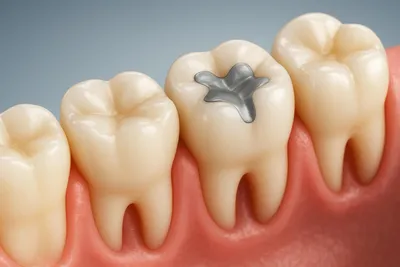
Tooth Filling
Restores a tooth damaged by decay or minor fracture, usually in a single visit.
This page provides general information and does not constitute individual medical advice. Treatment suitability, plans, and costs can only be confirmed after a personal consultation and clinical examination with a qualified dentist. Individual results vary.